


Introduction to Boquerones
What Are Boquerones?
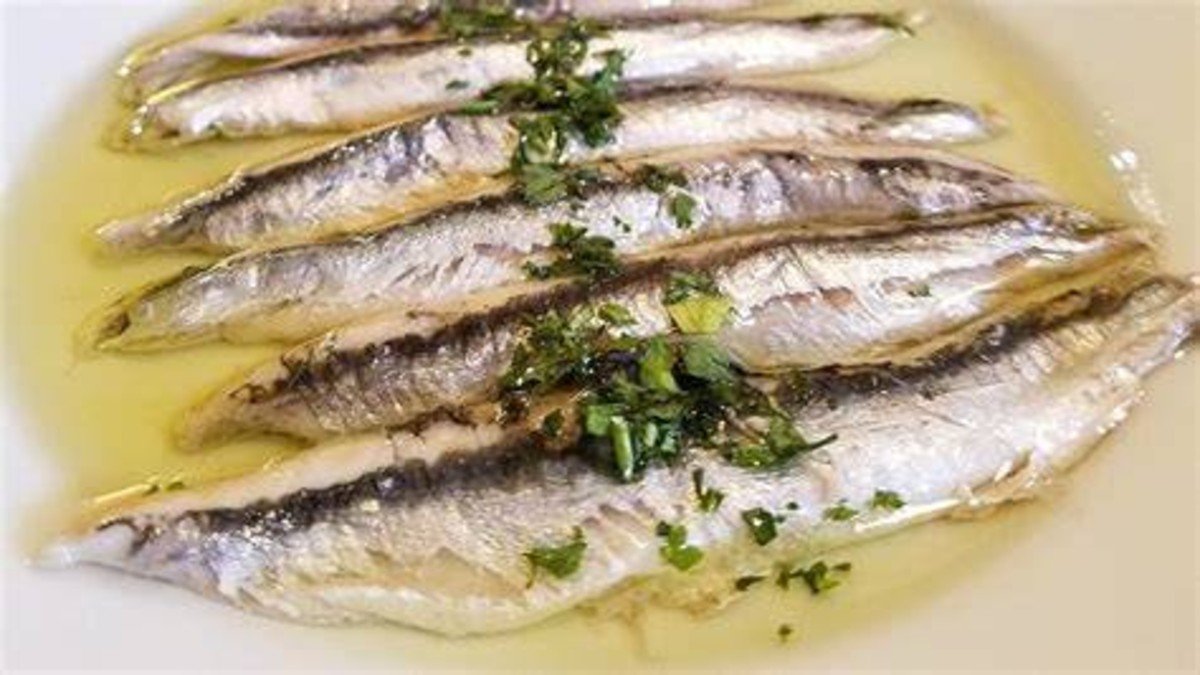
Boquerones are small white anchovies, typically marinated in vinegar, garlic, and olive oil. Unlike their salt-packed cousins, boquerones are known for their delicate flavor, tender texture, and clean finish. These little fish pack a punch when it comes to flavor and are a staple in Mediterranean cuisine.
Origin and Cultural Significance
Originating in Spain, particularly in Andalusia and the Basque Country, boquerones are more than just a snack they’re a tradition. They’re often featured in tapas bars, served simply with olives and wine, or as part of elaborate dishes.
Why Are Boquerones So Popular?
Their mild, tangy flavor makes them approachable even for people who aren’t fans of regular anchovies. Plus, they’re rich in nutrients and incredibly versatile, making them popular among both traditional and modern chefs.
History and Background
Boquerones in Spanish Cuisine
Spain’s love affair with seafood is well known, and boquerones are one of the country’s most cherished marine treats.
Connection to Andalusian and Basque Cultures
In the south of Spain, especially Andalusia, boquerones are enjoyed on hot summer evenings with a glass of cold beer. In the Basque Country, they’re often served atop pintxos—small open-faced sandwiches.
Evolution Over Time
Originally a fisherman’s snack, boquerones have evolved into a gourmet food item found in high-end restaurants around the world.
What Makes Boquerones Unique
Anchovies vs. Boquerones
Not all anchovies are boquerones. While both come from the same fish, boquerones are marinated fresh and not cured in salt, giving them a whiter color and less intense flavor.
The Curing and Marination Process
White Anchovies and Vinegar Soak
After cleaning, the fish are soaked in vinegar for a few hours, which effectively “cooks” them through acid.
Olive Oil Infusion
Post-vinegar, they are soaked in quality olive oil, garlic, and sometimes parsley for flavor and preservation.
How to Eat Boquerones
Traditional Spanish Tapas Style
Served with olives, crusty bread, and a glass of wine, this is the most traditional and beloved way to enjoy them.
Pairing with Drinks
They go beautifully with white wines, dry sherry, or a crisp lager—anything that cuts through their acidity.
Modern Culinary Uses
Modern chefs are using boquerones in everything from sushi-style rolls to gourmet pizzas and salads.
Nutritional Value of Boquerones
Health Benefits
Rich in Omega-3
These little guys are a great source of Omega-3 fatty acids, which support heart and brain health.
Low in Calories and High in Protein
Perfect for anyone watching their diet—boquerones are lean, mean, protein machines.
Allergens and Considerations
They are fish, so those with seafood allergies should steer clear. Also, their preparation includes vinegar and oil, which may not suit everyone’s taste.
Homemade vs. Store-Bought
Making Boquerones at Home
Step-by-Step Guide
- Clean the anchovies thoroughly.
- Marinate in vinegar for 3–4 hours.
- Drain and layer with olive oil, garlic, and parsley.
- Chill for 12 hours before serving.
Best Brands to Buy
Look for brands like Ortiz, La Tienda, and Matiz—they’re known for authentic Spanish-style boquerones.
Regional Variations
Spain vs. Italy vs. Greece
In Italy, they’re called “acciughe marinate,” while in Greece, they go by “gavros marinatos.” The core idea remains the same but flavors and herbs vary.
Different Styles and Flavors
Some regions add chili, others use lemon instead of vinegar, and some skip garlic entirely—each version offering a unique twist.
Conclusion
Boquerones are a true treasure of Mediterranean cuisine light, flavorful, and incredibly versatile. Whether you enjoy them as tapas, tossed in a salad, or straight from the jar with a fork, these marinated anchovies offer a taste of Spain in every bite. If you haven’t tried them yet, now’s the time to discover what the buzz is all about.
FAQs
Q1: Can I make boquerones at home without vinegar?
A1: While vinegar is essential to the traditional method, some recipes use lemon juice as an alternative.
Q2: Are boquerones safe to eat during pregnancy?
A2: If prepared properly and from a reliable source, yes. Always consult your doctor to be sure.
Q3: How do I know if my boquerones have gone bad?
A3: Discoloration, a strong fishy odor, or slimy texture are red flags.
Q4: Can I eat boquerones with cheese?
A4: Definitely! Try them with Manchego or fresh mozzarella.
Q5: What’s the best way to enjoy boquerones on toast?
A5: Drizzle olive oil on crusty bread, add a couple of boquerones, and top with a slice of tomato or olive tapenade.