




Introduction
The mandarin orange isn’t just another fruit it’s a bite-sized package of sweetness, health benefits, and global tradition. Loved by people of all ages for its easy-to-peel skin, juicy segments, and refreshing flavor, the mandarin has found its way into lunchboxes, desserts, holiday tables, and skincare products. But what really makes it special?
In this article, we’ll peel back the layers on the mandarin orange, exploring its origin, varieties, health benefits, culinary uses, and more.
What is a Mandarin Orange?
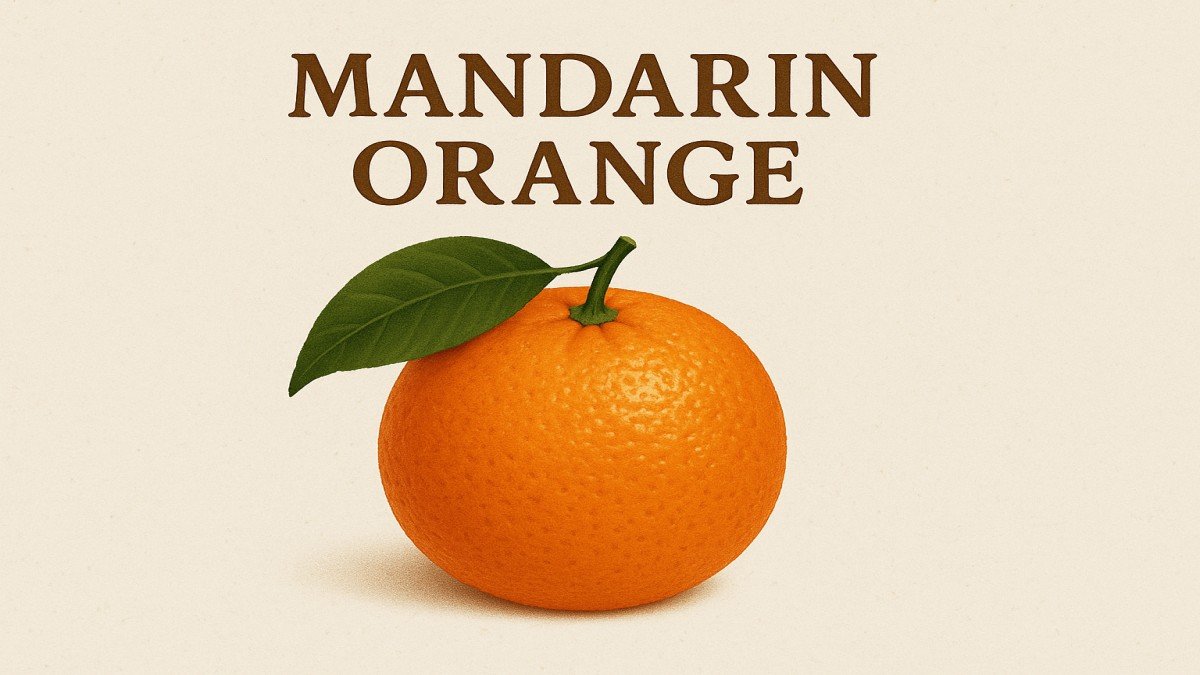
The mandarin orange (Citrus reticulata) is a type of citrus fruit that is typically smaller and sweeter than a regular orange, with a thinner, more easily removable skin. Native to Southeast Asia, the mandarin belongs to the Rutaceae family, making it a cousin to other citrus favorites like lemons, grapefruits, and limes.
Origins and History
Mandarins have a long and rich history. Originating in China and northeast India, they were cultivated as early as 3,000 years ago. The name “mandarin” likely comes from their popularity among the Mandarins—Chinese officials of the imperial court.
They were introduced to Europe in the 19th century and soon made their way to North Africa, the Mediterranean, and the Americas. Today, mandarins are grown globally, with major production in China, Spain, Turkey, the USA, and Morocco.
Different Varieties of Mandarin Oranges
Not all mandarins are created equal! Some popular types include:
1. Clementines
Seedless, easy to peel, and very sweet. Often sold in bags or boxes as “Cuties” or “Halos.”
2. Satsumas
Originally from Japan, these are super juicy and nearly seedless. Great for juicing and eating raw.
3. Tangerines
Slightly tart with a thicker peel. Often used in marmalades and desserts.
4. Dancy
A rich, deep-orange variety that’s flavorful but contains seeds.
5. Honey (Murcott)
Extremely sweet and used for fresh juice. Available in late winter to spring.
Nutritional Profile
Mandarins are not just tasty—they’re also packed with nutrients.
- Vitamin C: Strengthens immunity and promotes skin health.
- Fiber: Aids digestion and helps maintain weight.
- Antioxidants: Protect the body against free radicals.
- Folate and Potassium: Support heart and brain health.
- Low in Calories: About 50 calories per fruit.
They’re the perfect snack: light, sweet, and full of natural goodness.
Health Benefits of Mandarin Oranges
1. Boosts Immunity
Thanks to high Vitamin C, mandarin oranges help ward off colds, flu, and infections.
2. Supports Skin Health
The antioxidants and Vitamin A in mandarins keep your skin glowing, smooth, and youthful.
3. Aids Digestion
With their high fiber content, they’re great for gut health and preventing constipation.
4. Heart-Healthy
Potassium in mandarins helps regulate blood pressure, while flavonoids reduce bad cholesterol.
5. Anti-Inflammatory Properties
The natural plant compounds reduce inflammation and oxidative stress, both linked to chronic disease.
Mandarins in Cooking and Cuisine
Mandarins are not just for snacking—here are some delicious ways to use them:
- Salads: Add slices to leafy greens for a burst of sweetness.
- Desserts: Use in tarts, sorbets, or dipped in chocolate.
- Sauces: Great in glazes for chicken, duck, or fish.
- Juices & Smoothies: Refreshing on hot days or post-workout.
- Baking: Zest and juice add moisture and aroma to cakes and muffins.
Mandarins and Culture
Mandarins hold special cultural value, especially in Chinese traditions:
- Symbol of Prosperity: Often exchanged during Chinese New Year as a gift of good fortune.
- Feng Shui: Associated with wealth, luck, and abundance.
- Decor: Their vibrant orange color symbolizes energy and joy.
They also appear in Mediterranean and Latin cultures as holiday staples.
Conclusion
The mandarin orange is more than just a sweet snack—it’s a global superstar of the fruit world. Whether you’re eating it fresh, juicing it for breakfast, or using its oil for self-care, the mandarin offers something for everyone. Its delightful flavor, health benefits, and cultural significance make it a timeless favorite in households across the world.
So next time you pick one up, remember—you’re not just eating a fruit. You’re enjoying centuries of tradition, nature’s wisdom, and a whole lot of juicy goodness.
FAQs
Q1: Are mandarin oranges and clementines the same?
Clementines are a variety of mandarins, known for being extra sweet and seedless.
Q2: Can I grow mandarin oranges at home?
Yes! In warmer climates or indoors in containers, mandarin trees can thrive with plenty of sunlight and care.
Q3: Are mandarins good for kids?
Absolutely! They’re nutrient-rich, easy to peel, and usually seedless—perfect for lunchboxes.
Q4: Can you eat mandarin peels?
While not commonly eaten raw, the peel can be zested, candied, or dried for use in cooking.
Q5: When is mandarin season?
Typically from November to April, depending on the variety and region.