




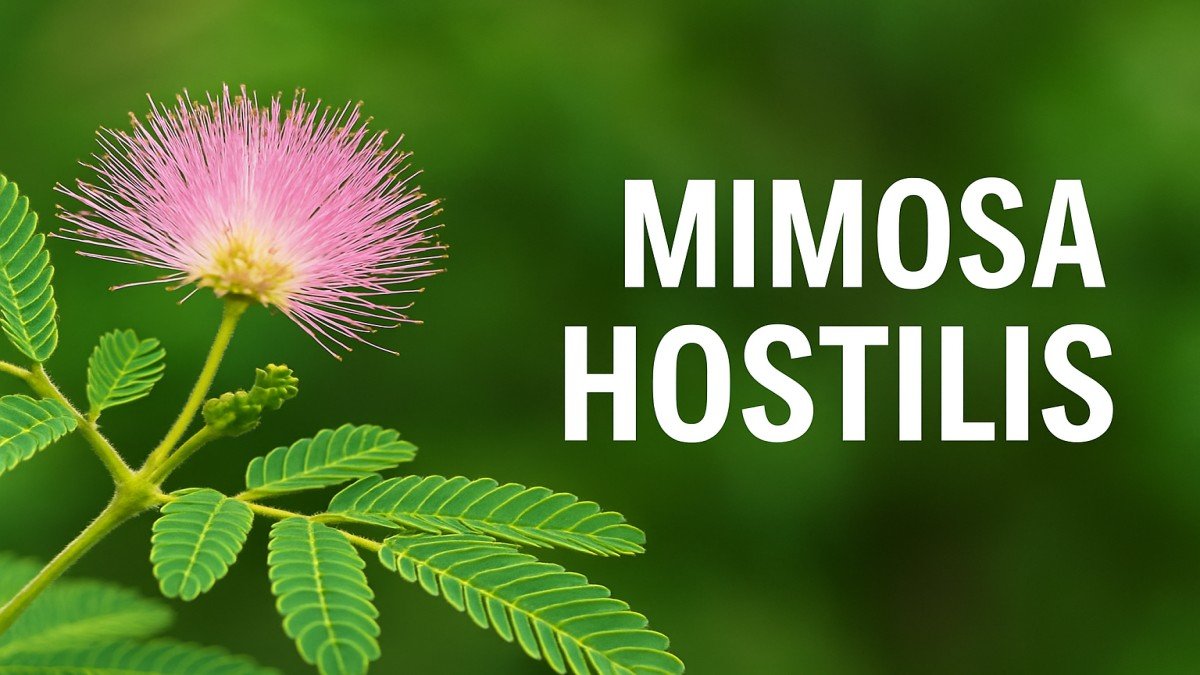
What is Mimosa Hostilis?
Mimosa Hostilis, often called Jurema, is a perennial tree native to Brazil and Mexico. It’s a member of the Fabaceae family and is scientifically known as Mimosa tenuiflora. Known for its spiritual, medicinal, and even industrial uses, this plant has been revered for centuries. But what makes it stand out in today’s world?
Botanical Overview
Scientific Classification
- Kingdom: Plantae
- Family: Fabaceae
- Genus: Mimosa
- Species: M. tenuiflora
Where It Grows
Mimosa Hostilis thrives in semi-arid climates, mainly in Northeastern Brazil, parts of Mexico, and other areas of Central America.
How It Looks
This hardy tree features fern-like leaves, fragrant white blossoms, and a woody bark that hides its most potent secrets—especially in the root.
Historical and Cultural Significance
For centuries, indigenous tribes have used Mimosa Hostilis in spiritual ceremonies. Particularly in Brazil, the bark is used to make “Jurema”, a sacred drink believed to connect shamans to the spirit world. Its healing properties also made it a go-to remedy for burns, wounds, and inflammation.
Key Components of Mimosa Hostilis
- DMT (N,N-Dimethyltryptamine): Found in the root bark, responsible for its psychedelic effects when used in traditional brews.
- Tannins: Known for powerful antibacterial and antioxidant properties.
- Saponins & Alkaloids: Active ingredients that contribute to its medicinal qualities.
Common Uses of Mimosa Hostilis
1. Natural Dyeing
The inner root bark produces a deep reddish-purple dye. Artisans use it to color fabrics, leather, and even wood. The color is vibrant, earthy, and long-lasting—perfect for eco-friendly fashion.
2. Skincare
Mimosa Hostilis is used in creams, lotions, and soap thanks to its:
- Antiseptic and antimicrobial traits
- Skin cell regeneration properties
- Anti-inflammatory benefits
3. Herbal Remedies
Some people use Mimosa Hostilis extracts for treating:
- Burns
- Acne
- Scars
- Rashes
Think of it as nature’s original first-aid kit!
Psychedelic Use and Controversy
The root bark contains DMT, a powerful hallucinogen. While it’s not psychoactive when consumed alone, it becomes potent when combined with MAO inhibitors (like those in Ayahuasca).
Is it legal?
That depends. In most places, the plant itself is legal, but extracting or using DMT is not. Always research your local laws before purchasing.
Cultivation and Harvesting
Mimosa Hostilis is easy to grow in tropical and semi-arid zones. It’s drought-resistant and regenerates quickly after harvesting, especially when cut responsibly.
Sustainable Practices
- Harvest only mature trees
- Avoid uprooting entire plants
- Rotate harvest zones to protect wild populations
Environmental Benefits
Mimosa Hostilis does more than heal humans—it helps the planet.
- Fixes nitrogen in soil: Improves soil fertility naturally
- Prevents erosion: Thanks to deep roots
- Supports biodiversity: Provides shelter for insects and small animals
Scientific Studies and Research
Recent studies have confirmed many traditional uses. Research has focused on:
- Antibacterial potential against E. coli and Staphylococcus aureus
- Cell regeneration in skin tissue
- Antioxidant and anti-inflammatory effects
Safety and Risks
While natural, it’s still potent. Common side effects include:
- Skin irritation (if overused)
- Nausea (in rare herbal preparations)
- Legal issues (if used improperly)
Always use with guidance or purchase from trusted sources.
Legal Status by Country
- USA: Legal to possess, but DMT extraction is banned.
- Brazil & Mexico: Legal for traditional use.
- EU: Varies—often legal for dye or botanical research.
Be smart. Always double-check your country’s specific rules.
Ethical Considerations
Before buying, ask:
- Is it sustainably harvested?
- Are indigenous communities being respected and compensated?
- Is it from a reputable supplier?
Your choice matters—vote with your wallet.
Conclusion
Mimosa Hostilis is more than just a plant—it’s a bridge between nature, culture, and consciousness. Whether you’re into eco-dyeing, skincare, or simply curious about ethnobotany, it offers something magical. But with that magic comes responsibility—use it wisely, respectfully, and ethically.
FAQs
1. Is Mimosa Hostilis legal to grow at home?
In most countries, yes—but extracting DMT may be illegal. Always check your local laws.
2. Can it really heal wounds and burns?
Yes! The bark contains natural antiseptics and promotes skin regeneration.
3. What kind of dye does it produce?
A vibrant reddish-purple dye that’s long-lasting and completely natural.
4. Is it hallucinogenic on its own?
No. It must be combined with MAO inhibitors to produce psychedelic effects.
5. Where can I buy sustainable Mimosa Hostilis?
Look for ethically sourced vendors that support local communities and follow sustainable harvesting practices.