



Introduction
Natural Hair Colors. Ever caught yourself admiring someone’s effortlessly beautiful hair and thinking, “Is that their natural color?” With hair trends constantly evolving, natural hair colors are experiencing a huge revival. More people are ditching artificial hues and embracing their authentic tones, and honestly, it’s a breath of fresh air!
But what makes a hair color “natural”? And how can you identify or enhance your own? Let’s break it down.
The Science Behind Natural Hair Shades
Melanin and Hair Pigmentation
Natural hair color is all about melanin – the pigment that also determines your skin and eye color. There are two types: eumelanin (black and brown tones) and pheomelanin (reds and yellows). Your unique ratio of these pigments gives your hair its distinct hue.
Genetics and Hair Color
You can thank your ancestors for your hair color. Genes passed down from both sides of your family determine how much of each melanin type your hair has. It’s a genetic lottery!
The Range of Natural Hair Colors
Natural doesn’t mean boring. In fact, the spectrum of natural shades is wide and beautiful.
Black
The most common hair color globally, black hair is rich and deep, often with blue or brown undertones.
Brown
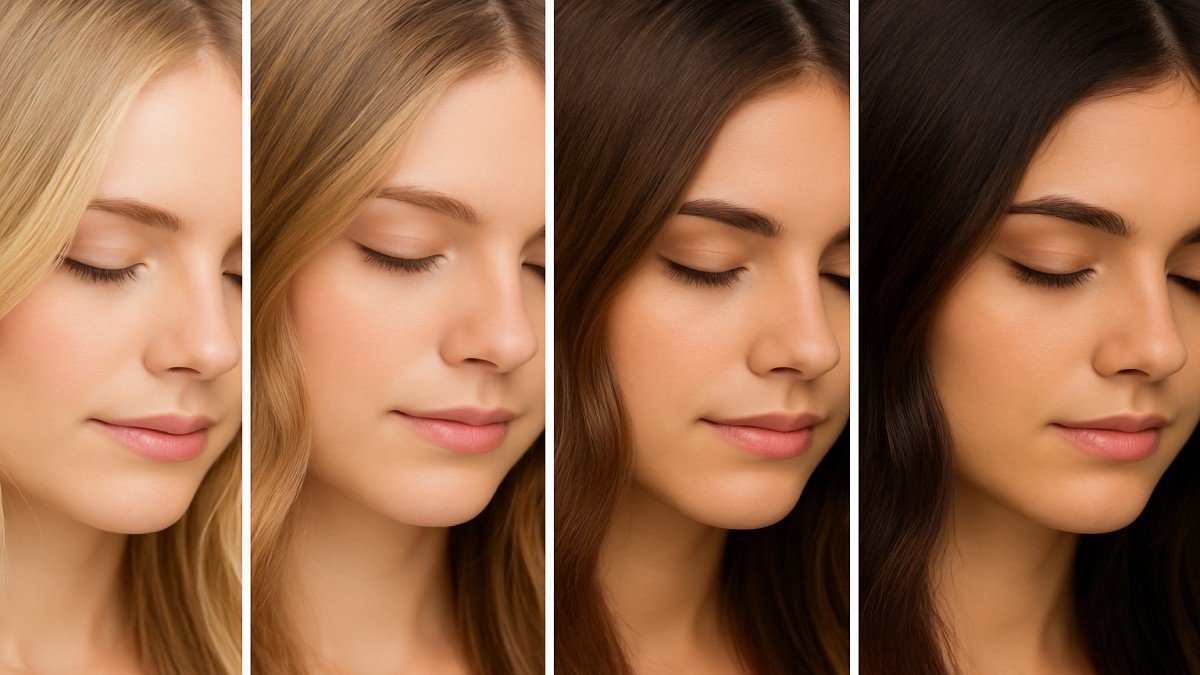
From chestnut to espresso, brown is incredibly versatile.
- Light Brown – Warm and sun-kissed.
- Medium Brown – Neutral and easy to maintain.
- Dark Brown – Almost black with a hint of softness.
Blonde
Blonde ranges from icy platinum to honeyed gold.
- Platinum Blonde – Almost white; rare and striking.
- Ash Blonde – Cool-toned and modern.
- Golden Blonde – Sunlit and soft.
Red
Rare and head-turning.
- Ginger – Bright and fiery.
- Auburn – Deep red with brown undertones.
- Strawberry Blonde – A mix of red and blonde, light and playful.
Grey and White
Not just for aging! Some people are born with white or grey streaks (thanks to genetics), and many embrace it with pride.
Natural Hair Colors and Ethnicity
Hair color often varies based on ancestry and geography.
- Asian populations usually have black or dark brown hair.
- Europeans often have a range of blonde, red, and brown tones.
- Africans generally have rich black hair with unique texture and depth.
In many cultures, hair color is tied to beauty standards, identity, and even spiritual beliefs.
Choosing the Right Natural Hair Color
Thinking of coloring your hair to a more “natural” shade?
Skin Tone and Undertones
Cool tones match well with ash or platinum shades. Warm undertones look stunning with golden blondes, chestnut browns, or auburn reds.
Eye Color Matching
Green and hazel eyes pop with red tones. Blue eyes shine with blonde hues. Brown eyes are versatile and go well with nearly any color.
Personality and Style
Natural shades can still express your style – bold red, edgy black, or soft caramel can all match your vibe.
Natural vs. Dyed Hair Colors
The Appeal of Going Natural
Fewer chemicals, less upkeep, and a more authentic look.
Pros and Cons of Chemical Dyes
Pros: More control over color and vibrancy.
Cons: Damage, fading, and high maintenance.
Enhancing Natural Hair Color Without Dye
Love your color but want to enhance it? Go natural!
- Henna – Gives reddish tones and conditions hair.
- Chamomile – Naturally lightens blonde hair.
- Black Tea or Coffee Rinses – Richen brown or black tones.
Hair Care Tips for Natural Color Maintenance
Sulfate-Free Products
These help preserve oils and prevent fading.
UV Protection
The sun can bleach your natural hair. Use a hat or UV spray.
Regular Trims and Conditioning
Healthy hair always looks shinier and more vibrant.
Common Myths About Natural Hair Colors
Myth: Hair color can change with age only
False. Hormones, medications, and even stress can alter hair pigment.
Myth: Stress turns hair grey overnight
Not exactly. It contributes, but genetics are the main culprit.
Conclusion
Natural hair colors are more than just shades—they’re a celebration of your individuality. Whether you’re embracing grey, rediscovering your roots, or rocking that deep chestnut brown, there’s unmatched beauty in authenticity.
FAQs
1. Can you naturally lighten hair without bleach?
Yes! Lemon juice, chamomile tea, and sunlight can gradually lighten hair naturally.
2. What’s the rarest natural hair color?
Red is the rarest, found in only 1–2% of the global population.
3. Are natural hair colors healthier?
Absolutely. Untreated hair avoids damage from harsh chemicals and heat styling.
4. How long does henna last on hair?
Typically 4–6 weeks, depending on hair type and care routine.
5. Can you reverse grey hair naturally?
Unfortunately, not permanently. Some supplements may slow the process, but genetics reign supreme.
