




Introduction
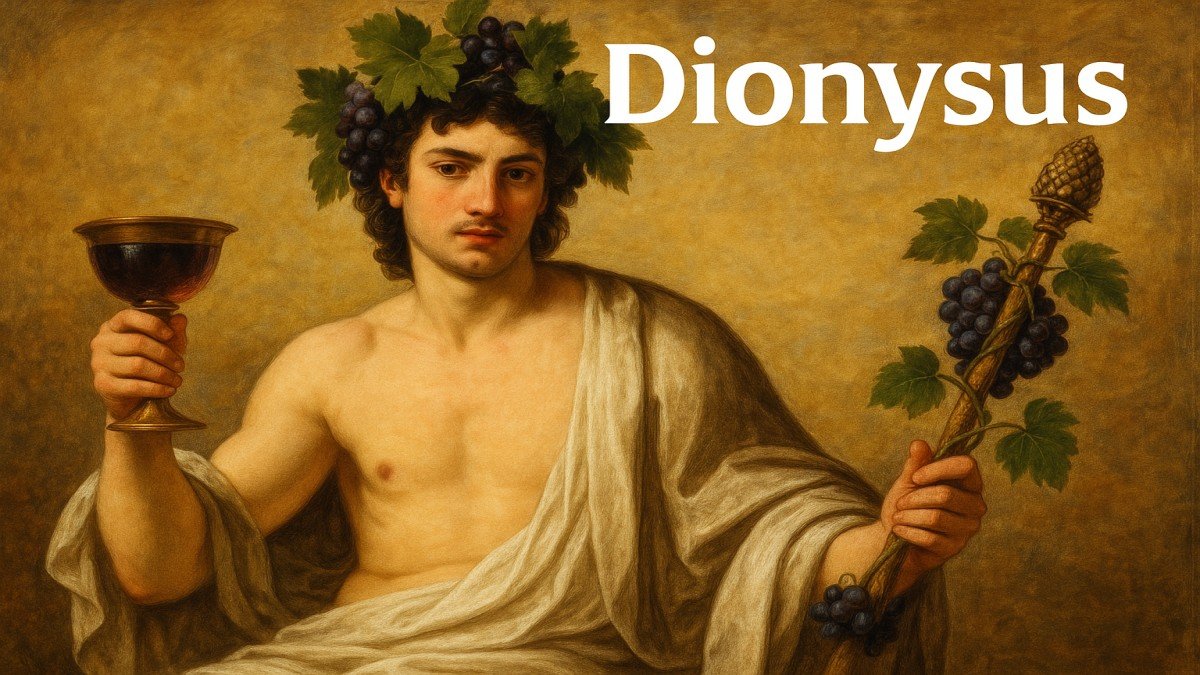
Dionysus, the god of wine, ecstasy, and revelry, has been a muse for artists for centuries. The Dionysus painting is not a single masterpiece, but rather a rich artistic tradition spanning millennia. Whether he’s portrayed in a haze of intoxication or amid a raucous celebration, Dionysus represents the chaos and creativity of human nature.
Understanding Dionysus
Who Was Dionysus in Greek Mythology?
Dionysus, known to the Romans as Bacchus, is one of the most fascinating figures in Greek mythology. He’s the god of wine, theater, festivity, madness, and religious ecstasy. Often seen riding a leopard or holding a thyrsus (a pine-cone tipped staff), Dionysus broke the mold of the typical Greek god. He symbolized duality—joy and madness, order and chaos, life and death.
Origins of Dionysus-Themed Art
Early Depictions in Greek Pottery
The earliest known representations of Dionysus are found on Greek pottery from around 6th century BCE. These black-figure and red-figure vases often showed Dionysus surrounded by satyrs and maenads (his frenzied female followers), capturing scenes of myth and celebration.
Dionysus in Roman Art
The Romans, as they often did, adopted Dionysus (Bacchus) into their own mythology and art. Frescoes in Pompeii’s villas and intricate mosaics depicted Bacchic processions. These works elevated the god to an almost imperial figure, adding elegance and lavishness.
Renaissance Revival
How Dionysus Reappeared During the Renaissance
The Renaissance was a time of rediscovery, and classical mythology made a strong comeback. Dionysus returned not just as a mythic god but as a symbol of human freedom, passion, and indulgence. Painters used his image to explore themes of sensuality and transformation.
Key Artists and Works
- Caravaggio’s Bacchus (1595–1597): A sensual, slightly intoxicated youth offers wine to the viewer, challenging religious and moral norms of the time.
- Titian’s Bacchus and Ariadne (1523): A mythic love story captured in vibrant motion, this masterpiece shows Dionysus leaping off a chariot drawn by leopards.
Baroque to Modern Interpretations
Theatrical Representations in Baroque
Baroque artists added drama and grandeur. Dionysus was portrayed as divine yet disturbingly human, full of theatrical movement and dramatic lighting.
Freedom in Modern Art
In the 20th century, Dionysus became a symbol of artistic freedom. Surrealists and abstract artists channeled his chaotic energy into works that broke form and convention.
19th Century Romanticism
The Romantics loved emotion, and Dionysus—full of passion, mystery, and wildness—fit perfectly. Paintings often placed him in natural settings, emphasizing rebirth and escape from rationality.
Famous Dionysus Paintings
- Bacchus by Caravaggio – Youthful, bold, and provocative.
- Bacchus and Ariadne by Titian – A moment of transformation and passion.
- Greek Vase Paintings – Illustrating mythological stories with detail and movement.
Themes and Symbolism in the Paintings
Wine and Ecstasy
Wine wasn’t just a drink—it was sacred. Dionysus’ association with wine symbolized freedom from societal constraints and a return to a primal state.
Rebirth and Transformation
Many myths show Dionysus dying and being reborn. Artists used this to explore human transformation—emotional, spiritual, and physical.
Chaos and Celebration
Parties, madness, and ecstatic dances are constant in Dionysus art. These elements challenge the viewer’s sense of order and meaning.
Use of Color and Composition
Rich Palettes
Deep reds, lush greens, and golds are commonly used to evoke opulence and sensuality.
Movement and Form
Artists often paint Dionysus and his followers in wild, flowing motion to express ecstasy and chaos.
The Human Body and Expression
Whether soft or muscled, young or ageless, Dionysus is painted with an expressive physicality. His face is often relaxed, smiling, or lost in thought.
Common Artistic Techniques
- Chiaroscuro: A play of light and shadow, often used in Baroque representations.
- Symbolic Realism: Combining realistic bodies with symbolic objects like grapes, ivy, or leopards.
Conclusion
The Dionysus painting is more than just an image—it’s a visual journey through ecstasy, chaos, and beauty. Across centuries, artists have returned to Dionysus as a source of inspiration, freedom, and wild creativity. Whether you’re a history buff, an art lover, or just curious, exploring Dionysus art opens a window into the soul of humanity.
FAQs
1. Who painted the most famous Dionysus artwork?
Caravaggio’s Bacchus and Titian’s Bacchus and Ariadne are among the most renowned.
2. What does Dionysus symbolize in art?
He symbolizes ecstasy, wine, transformation, freedom, and chaos.
3. Is Dionysus only found in ancient art?
Not at all—he appears in Renaissance, Baroque, Romantic, and modern art as well.
4. Why is Dionysus often shown with animals?
Animals like leopards and goats symbolize his wild, untamed nature.
5. Where can I find Dionysus artwork online?
Many museums offer virtual tours—check out the Uffizi, the Louvre, and Google Arts & Culture.