



What’s the confusion about?
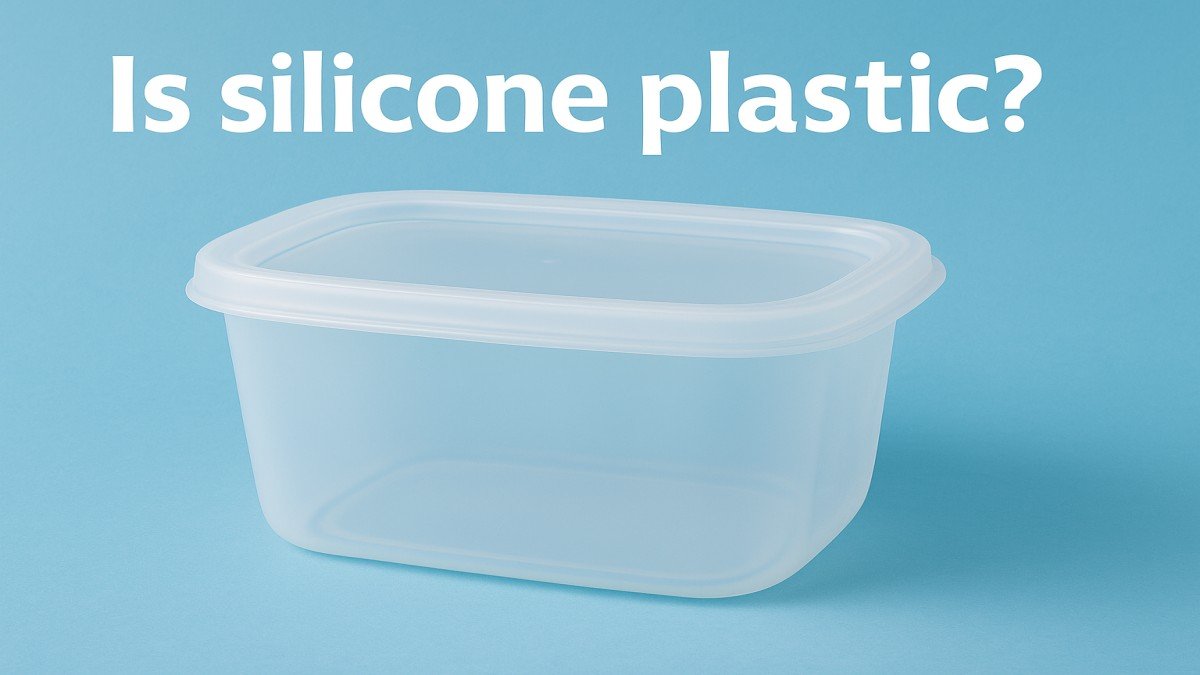
Is Silicone Plastic. You’ve probably heard people say, “Silicone is just a fancy plastic,” or “It’s safer than plastic.” But is silicone actually plastic? This question sparks a lot of debate, especially with growing concerns around food safety and environmental sustainability. Let’s break it down and clear up the confusion once and for all.
Understanding Silicone
Silicone is a synthetic polymer made primarily of silicon, oxygen, carbon, and hydrogen. Unlike plastics that are carbon-based polymers, silicone contains a siloxane backbone (Si–O–Si), which makes it chemically distinct.
It feels rubbery, it bends without breaking, and it can survive both high heat and deep freezes. That’s why it’s so popular for baby bottles, baking mats, and medical devices.
What is Plastic?
Plastic refers to a large group of synthetic or semi-synthetic materials made from polymers. Most plastics are derived from petroleum and contain long chains of carbon atoms.
Common types of plastic include:
- Polyethylene (PE)
- Polypropylene (PP)
- Polyvinyl chloride (PVC)
- Polycarbonate (PC)
They vary in flexibility, transparency, melting points, and recyclability.
Key Differences Between Silicone and Plastic
Chemical Structure
Silicone’s siloxane chain makes it more heat-resistant and stable than the carbon chains in traditional plastics.
Flexibility and Durability
Silicone is more flexible and often more durable under extreme temperatures than most plastics.
Environmental Impact
Plastics are infamous for polluting oceans and harming wildlife. Silicone doesn’t degrade into microplastics, making it a better alternative in many cases.
Heat Resistance
Silicone can withstand temperatures up to 500°F (260°C), while most plastics melt or release toxins well before that.
Is Silicone Considered a Plastic?
Scientifically? No. Silicone is not a plastic. It’s a polymer, yes, but not a plastic one. Legally and industrially, however, some consider it part of the “synthetic polymer” family, which loosely groups it with plastics. But it behaves very differently.
Common Uses of Silicone vs. Plastic
In Kitchenware
Silicone is often used for spatulas, molds, and baking mats because it doesn’t melt or leach chemicals into food.
Plastic, meanwhile, is usually limited to storage containers and disposable utensils.
In Medical Applications
Silicone wins here, hands down. It’s hypoallergenic, sterilizable, and doesn’t react with body tissues.
In Electronics
Both materials are used, but silicone’s insulation properties and durability make it preferable for high-performance components.
Silicone in the Food Industry
Worried about BPA in your food containers? Silicone is naturally BPA-free. It doesn’t leach harmful chemicals into food, even when heated. That’s why it’s become a favorite for baby products and microwave-safe containers.
Environmental Impact
Is silicone eco-friendly? Sort of.
- Pros: It doesn’t break down into microplastics and lasts for years.
- Cons: It’s not biodegradable and can be tricky to recycle.
Compared to single-use plastics, though, silicone is a major improvement.
Health Considerations
Silicone is generally non-toxic. Medical-grade silicone is so safe it’s used in implants and prosthetics.
Unlike many plastics, it doesn’t release endocrine disruptors or other harmful substances.
Recyclability of Silicone
Silicone can be recycled, but not in your curbside bin. Specialized facilities accept it, so you’ll need to find drop-off points or mail-in programs.
Tip: Look for companies that offer take-back recycling schemes for silicone products.
Silicone vs. Thermoplastics
Thermoplastics soften when heated and can be remolded. Silicone doesn’t melt in the same way. It’s thermosetting—once it’s cured, it won’t melt again.
This gives silicone its legendary heat resistance and durability.
Silicone in Everyday Products
You’ll find silicone in:
- Baby bottles and pacifiers
- Reusable food pouches
- Smartphone cases
- Swim caps and goggles
Its non-stick, waterproof, and hypoallergenic nature makes it super versatile.
Myths About Silicone
“Silicone melts like plastic.”
Wrong. Silicone can handle extreme temperatures without melting.
“It’s just another form of plastic.”
Not really. It’s a polymer, yes, but not a plastic. It behaves differently and offers different benefits.
Conclusion
So, is silicone plastic?
No, it’s not. While it shares some similarities—like being synthetic and moldable—it belongs to a different category of materials. Silicone offers better heat resistance, durability, and health safety compared to most plastics, making it an excellent alternative in many cases.
But it’s not perfect. It’s not biodegradable and isn’t easily recyclable. Still, if you’re choosing between silicone and plastic, silicone is often the more sustainable and safer option.
FAQs
Q1: Is silicone safer than plastic?
Yes, silicone doesn’t leach harmful chemicals like BPA or phthalates found in some plastics.
Q2: Does silicone break down?
Not easily. It can last for decades without degrading, which is both a pro and a con.
Q3: Can silicone leach chemicals?
High-quality silicone doesn’t leach chemicals, especially when used at recommended temperatures.
Q4: Is silicone microwave safe?
Absolutely. Silicone can withstand microwave temperatures without melting or releasing toxins.
Q5: How long does silicone last?
Depending on use, silicone can last 10–20 years or more without showing signs of wear.