




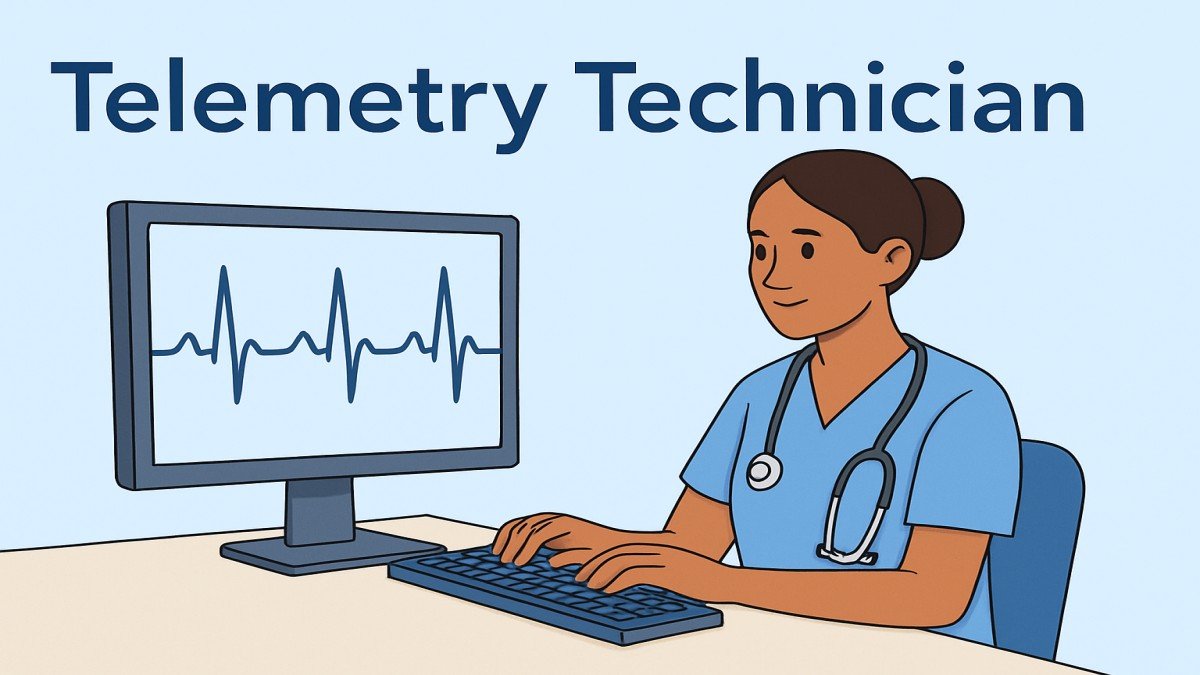
Introduction to Telemetry
What is Telemetry in Healthcare?
Telemetry in healthcare refers to the remote monitoring of patients’ vital signs, especially heart activity, using electronic devices. This allows continuous observation without being at the patient’s bedside.
Importance of Telemetry Monitoring
This system plays a life-saving role by alerting medical professionals to irregularities in real time. It’s like having digital eyes on a patient’s heart 24/7—catching warning signs before they escalate.
Who is a Telemetry Technician?
Overview of the Role
A telemetry technician, also called a monitor tech, specializes in observing and interpreting data from monitoring devices. They’re the hidden heroes of the hospital’s command center.
Daily Responsibilities
- Monitoring Vital Signs: Especially cardiac rhythms via ECGs and other telemetry systems.
- Alerting Medical Staff: When abnormalities occur, technicians immediately notify nurses or doctors.
- Reporting and Documentation: They maintain detailed logs of changes and patterns.
Skills and Qualifications Required
Educational Background
Most telemetry technicians hold a high school diploma or equivalent. Many then complete a certification course in EKG or telemetry monitoring.
Certification Programs
Programs from recognized bodies like the National Telemetry Association (NTA) or Certified Cardiographic Technician (CCT) are often preferred by employers.
Key Technical and Soft Skills
- Fast decision-making
- Attention to detail
- Understanding of cardiac rhythms
- Communication and teamwork
Work Environment
Typical Workplaces
They usually work in hospitals, cardiac centers, or intensive care units.
Shift Patterns and Workload
Expect long hours and rotating shifts, especially in 24/7 care facilities.
Collaboration with Medical Staff
They form a vital link between patients and frontline healthcare professionals, ensuring accurate data transmission.
Telemetry Equipment and Tools
ECG Monitors
These devices record the heart’s electrical activity and send it to a central monitor.
Central Monitoring Systems
A bank of monitors where multiple patients’ data can be viewed in real time.
Alarm and Notification Systems
Set thresholds trigger alarms to warn technicians of irregular patterns, requiring immediate attention.
Career Path and Growth
Entry-Level Opportunities
Most start as EKG techs or monitor assistants and move up with experience and certification.
Advanced Roles and Specializations
With further training, one can become a telemetry supervisor, healthcare administrator, or cardiac nurse.
Continuing Education
Many technicians pursue ongoing training to stay current with technological advancements.
Challenges Faced by Telemetry Technicians
Stress and Responsibility
Constant monitoring of critical patients comes with intense responsibility—mistakes can cost lives.
Technical Glitches
Malfunctions can delay critical alerts, requiring fast problem-solving.
Communication Under Pressure
Clear, concise communication during emergencies is essential, especially when relaying life-threatening conditions.
Salary Expectations and Job Outlook
Average Salary Range
In the U.S., telemetry techs typically earn between $35,000 to $55,000 annually, depending on experience and location.
Employment Trends
The need is growing due to increased cardiac-related health issues and an aging population.
Geographic Demand
Urban hospitals and large healthcare centers tend to have the highest demand.
How to Become a Telemetry Technician
Step-by-Step Guide
- Complete high school or GED
- Enroll in an EKG/telemetry training program
- Pass a certification exam
- Apply for entry-level roles
- Gain hands-on experience
Tips for Landing Your First Job
- Volunteer or intern during training
- Get certified by a nationally recognized body
- Practice reading EKG strips regularly
Benefits of Being a Telemetry Technician
Making a Difference in Patient Lives
You’re the first line of defense in identifying cardiac issues.
Stability and Demand in the Industry
With growing healthcare needs, the job offers strong security.
Opportunities for Growth
The field opens doors to multiple healthcare roles with further training.
Comparison with Other Healthcare Roles
Telemetry Tech vs EKG Tech
Telemetry techs monitor patients long-term in real time, while EKG techs perform short, diagnostic tests.
Telemetry Tech vs CNA
CNA provides direct care, while telemetry techs work behind the scenes monitoring data.
Ethical and Legal Considerations
Patient Privacy
Technicians must follow HIPAA laws and handle sensitive patient data with discretion.
Documentation Standards
Accurate, time-stamped reporting is critical for legal and clinical reasons.
Conclusion
A telemetry technician might not wear a cape, but they play a superhero role behind the scenes of modern healthcare. From constantly scanning vital signs to alerting doctors in critical moments, their work saves lives daily. It’s a rewarding career for those who love healthcare, technology, and making a real difference.
FAQs
Q1: Is a college degree required to become a telemetry technician?
No, most roles require a high school diploma and a certification course.
Q2: How long does it take to become certified?
Typically, 3 to 6 months through a specialized program.
Q3: Do telemetry techs interact directly with patients?
Not usually. Their work is mostly behind the scenes, focused on monitoring.
Q4: Can this job be stressful?
Yes, especially during critical patient events—but proper training helps manage pressure.
Q5: Is the role in high demand?
Absolutely. With heart-related illnesses on the rise, the demand continues to grow.