

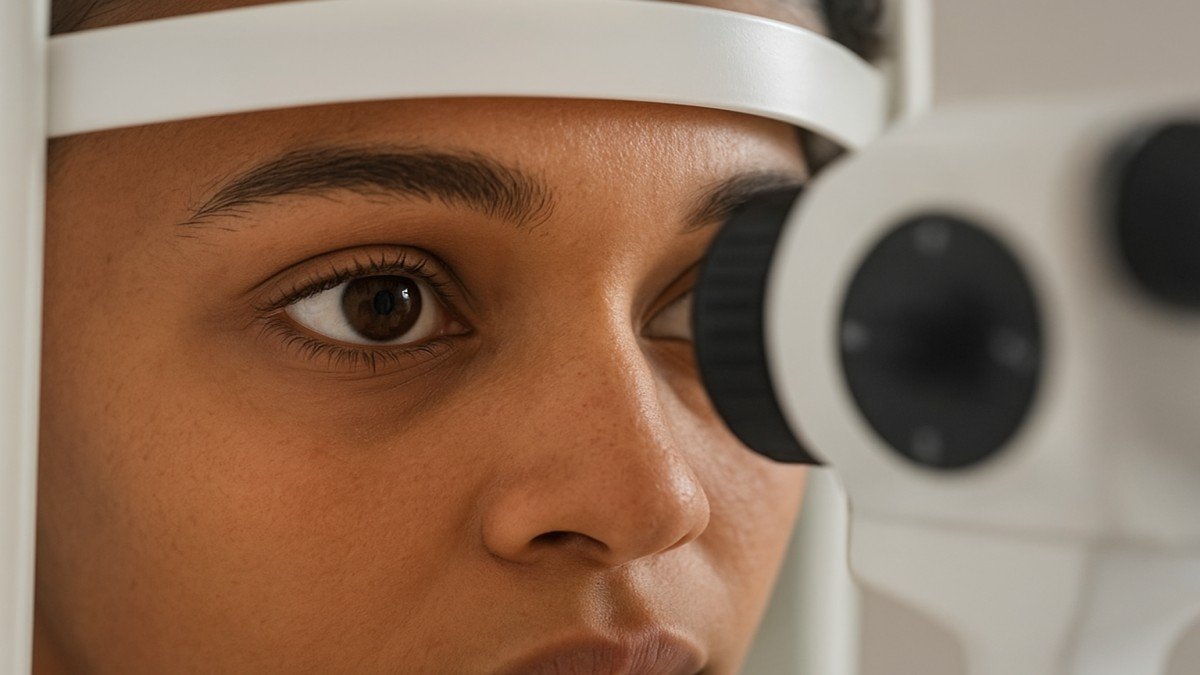
Introduction to Ophthalmic Health
Ever wondered what “ophthalmic” really means? Simply put, anything that involves the eyes and vision falls under the term ophthalmic. It’s all about the diagnosis, treatment, and prevention of eye diseases.
In our fast-paced, screen-heavy world, eye health is more important than ever. From reading tiny texts to spending hours on digital devices, our eyes are working overtime—and they deserve some TLC.
Anatomy of the Human Eye
To understand ophthalmic health, it helps to know a bit about how the eye works.
Key Parts of the Eye and Their Functions
- Cornea: The clear, dome-shaped surface that covers the front of the eye. It helps focus light.
- Retina: A thin layer at the back of the eye that senses light and sends signals to the brain.
- Lens: Located behind the iris, it changes shape to help focus on near or far objects.
- Optic Nerve: Carries visual information from the retina to your brain.
Each part has a specific role, and if one piece of the puzzle malfunctions, it affects the whole system.
Common Ophthalmic Conditions
Let’s talk about some issues that can cause your vision to blur—literally.
Refractive Errors
These include:
- Myopia (Nearsightedness): Can’t see far clearly.
- Hyperopia (Farsightedness): Can’t see up close clearly.
- Astigmatism: Blurry vision due to irregular cornea shape.
Cataracts
A clouding of the lens, usually due to aging. Vision becomes foggy, like looking through a dirty window.
Glaucoma
Often called the “silent thief of sight,” glaucoma damages the optic nerve, usually from high eye pressure.
Macular Degeneration
This affects central vision and is a leading cause of vision loss in older adults.
Diabetic Retinopathy
A complication of diabetes that damages blood vessels in the retina. Regular eye exams are crucial for diabetics.
Pediatric Ophthalmology
Eye Issues in Children
Kids can experience:
- Lazy eye (amblyopia)
- Crossed eyes (strabismus)
- Refractive errors
Importance of Early Screening
Catching these issues early can prevent lifelong vision problems. Pediatricians usually recommend a first eye check before age 5.
Ophthalmic Treatments and Surgeries
Eyeglasses and Contact Lenses
The most common and simplest fix for refractive errors. Contacts come in daily, monthly, and specialty types.
LASIK and Refractive Surgery
Want to ditch the glasses? LASIK reshapes the cornea using lasers. It’s quick, usually painless, and results can be life-changing.
Cataract Surgery
A super common procedure where the cloudy lens is replaced with a clear artificial one.
Glaucoma Treatments
Includes medications, laser therapy, or surgery. Early detection is the best defense.
Diagnostic Tools in Ophthalmology
Eye Exams and Visual Acuity Tests
The classic “Can you read the letters on the chart?” test. It checks how well you see at different distances.
OCT (Optical Coherence Tomography)
Think of it as an ultrasound for the eye. It gives detailed images of the retina and is great for detecting glaucoma or macular degeneration.
Tonometry
Measures eye pressure—a key test for detecting glaucoma.
Ophthalmic Medications
Eye Drops
Used for:
- Infections (antibiotic drops)
- Allergies (antihistamines)
- Inflammation (steroid drops)
Oral Medications
Sometimes, oral meds are needed for infections, inflammation, or pressure control.
Always follow your ophthalmologist’s directions—eyes are delicate!
Digital Eye Strain and Modern Lifestyles
Effects of Screens on Vision
Ever felt dry, tired eyes after binge-watching a series or working long hours on your laptop? That’s digital eye strain. Symptoms include:
- Headaches
- Blurry vision
- Dryness
- Neck pain
Tips to Reduce Digital Eye Strain
- Follow the 20-20-20 Rule: Every 20 minutes, look 20 feet away for 20 seconds.
- Adjust screen brightness.
- Use anti-glare filters.
- Blink more often!
Conclusion
Your eyes are your windows to the world—literally. Whether you wear glasses, contacts, or nothing at all, taking care of your ophthalmic health is non-negotiable. From basic check-ups to understanding serious conditions like glaucoma or macular degeneration, staying informed is the first step to keeping your vision sharp and clear for years to come.
FAQs
How often should I get my eyes checked?
Adults should get a comprehensive eye exam every 1–2 years. Children need their first exam by age 3.
Can eye exercises improve my vision?
Eye exercises can help with strain and focusing, but they can’t cure refractive errors like nearsightedness.
What are the warning signs of serious eye problems?
Sudden vision loss, flashes of light, eye pain, or floaters can be signs of a medical emergency. Don’t wait—see a doctor.
Is LASIK permanent?
Yes, but it doesn’t stop age-related changes like presbyopia. Some people may still need reading glasses later in life.
Are blue light glasses effective?
They can help reduce digital eye strain, especially for those who spend long hours on screens.