



Introduction
Light is a fundamental part of human life, influencing how we see, work, communicate, and interact with our environment. The term light sourcing refers to the methods, technologies, and systems used to generate light for different applications—ranging from natural daylighting to advanced artificial lighting solutions in homes, industries, and scientific research.
With rapid technological advancement, light sourcing has evolved from traditional fire-based illumination to highly efficient and sustainable options such as LEDs, lasers, and fiber optics. This article explores the concept of light sourcing, its types, technologies, applications, and the future of illumination.
What is Light Sourcing?
Light sourcing means producing or generating light for functional, decorative, or scientific purposes. Sources of light can be broadly divided into:
- Natural Sources – Sunlight, lightning, bioluminescence (fireflies, deep-sea creatures).
- Artificial Sources – Man-made lighting devices such as incandescent bulbs, fluorescent lamps, LEDs, and lasers.
The choice of light source depends on the application, efficiency, color quality, and sustainability requirements.
Types of Light Sources
1. Natural Light Sources
- Sunlight – The most abundant and primary natural source of light, crucial for photosynthesis and human vision.
- Bioluminescence – Certain organisms (like jellyfish, fungi, and fireflies) emit light through chemical reactions.
- Astronomical Objects – Stars, the moon (reflection of sunlight), and galaxies.
2. Artificial Light Sources
Artificial lighting has transformed human civilization by extending working hours and enhancing productivity. Key categories include:
a. Incandescent Lamps
- Oldest form of electric lighting.
- Works by heating a tungsten filament until it glows.
- Produces warm light but has low efficiency (most energy lost as heat).
b. Fluorescent Lamps
- Use mercury vapor and phosphor coating to emit visible light.
- More efficient than incandescent bulbs.
- Common in offices, schools, and commercial spaces.
c. Light Emitting Diodes (LEDs)
- Highly efficient and durable solid-state light sources.
- Available in a wide range of colors and brightness levels.
- Dominant in modern lighting due to low power consumption and long lifespan.
d. Lasers
- Produce coherent, monochromatic, and highly directional beams of light.
- Widely used in medical, industrial, military, and communication fields.
e. Fiber Optic Light Sources
- Transmit light through thin strands of glass or plastic.
- Used in telecommunications, decorative lighting, and sensors.
Technologies Behind Light Sourcing
1. Thermal Radiation
Light produced by heating a material until it glows (e.g., incandescent bulbs, candle flames).
2. Gas Discharge
Electric current passes through gas to produce light (e.g., neon signs, fluorescent lamps).
3. Solid-State Lighting (SSL)
Semiconductors convert electricity into light, as in LEDs and OLEDs.
4. Photoluminescence
Materials absorb light at one wavelength and re-emit it at another (used in fluorescent coatings, glow-in-the-dark materials).
5. Laser Technology
Uses stimulated emission of radiation to produce precise and powerful beams.
Applications of Light Sourcing
1. Domestic and Commercial Lighting
- Homes, offices, and public spaces rely on artificial lighting.
- LED bulbs are now standard due to efficiency and reduced costs.
2. Industrial Applications
- High-intensity discharge lamps used in factories.
- Task lighting enhances safety and productivity in workshops.
3. Medical Field
- Surgical lamps provide focused illumination.
- Lasers used in eye surgeries (LASIK), cancer treatment, and cosmetic procedures.
4. Communication and Data Transfer
- Fiber optic systems rely on light pulses for high-speed internet and telecommunication.
5. Scientific Research
- Light sources like synchrotrons and lasers are used in spectroscopy, microscopy, and material analysis.
6. Entertainment and Art
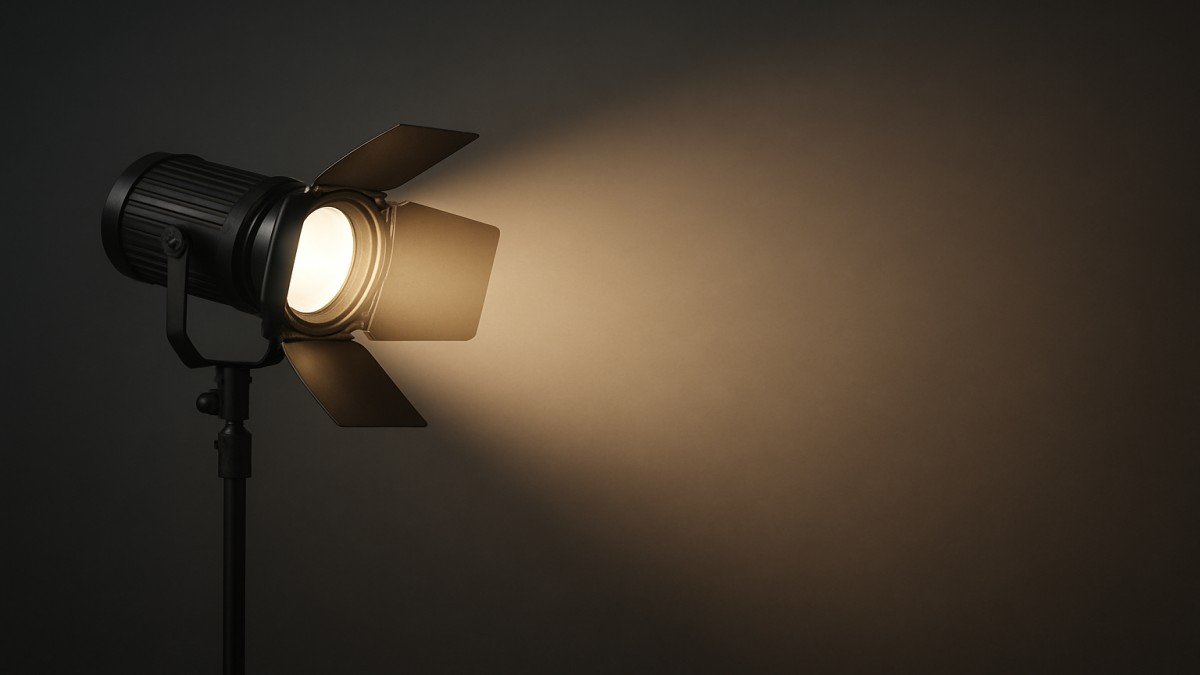
- Stage lighting, projectors, and decorative LEDs are integral to concerts, theaters, and architecture.
7. Renewable Energy
- Solar panels harness sunlight to generate electricity.
- Daylighting systems reduce reliance on artificial lighting.
Conclusion
Light sourcing is not just about illumination; it shapes industries, healthcare, communication, and everyday human life. From the natural brilliance of sunlight to the precision of lasers and the efficiency of LEDs, light sourcing technologies have come a long way.
As we move toward a sustainable and technologically advanced future, innovations in light sourcing will continue to make human life brighter, more efficient, and more connected than ever before.
FAQs
1. What is the most energy-efficient light source today?
LEDs are currently the most energy-efficient, offering long lifespans and low power usage.
2. How does light sourcing affect the environment?
Excessive artificial light causes light pollution and energy waste, but modern eco-friendly technologies reduce these impacts.
3. What role do lasers play in light sourcing?
Lasers are used for precise, directional light in medicine, communication, and industrial applications.
4. Can natural light be used as a reliable source indoors?
Yes, through daylighting systems and architectural design, sunlight can significantly reduce the need for artificial lighting.
5. What is the future of light sourcing?
Smart, sustainable, and human-centric lighting technologies will dominate the future, with a focus on efficiency and well-being.