


Introduction
When we talk about chemicals used in everyday life and industries, HCHO, better known as formaldehyde, often appears in the discussion. Formaldehyde is one of the most widely used chemicals, but it also carries potential health risks if not handled properly. From building materials and household products to laboratories and medical uses, HCHO plays a crucial role. At the same time, awareness about its exposure and safety precautions is vital.
This article explores what HCHO is, where it’s found, its applications, health impacts, and ways to reduce risks.
What is HCHO?
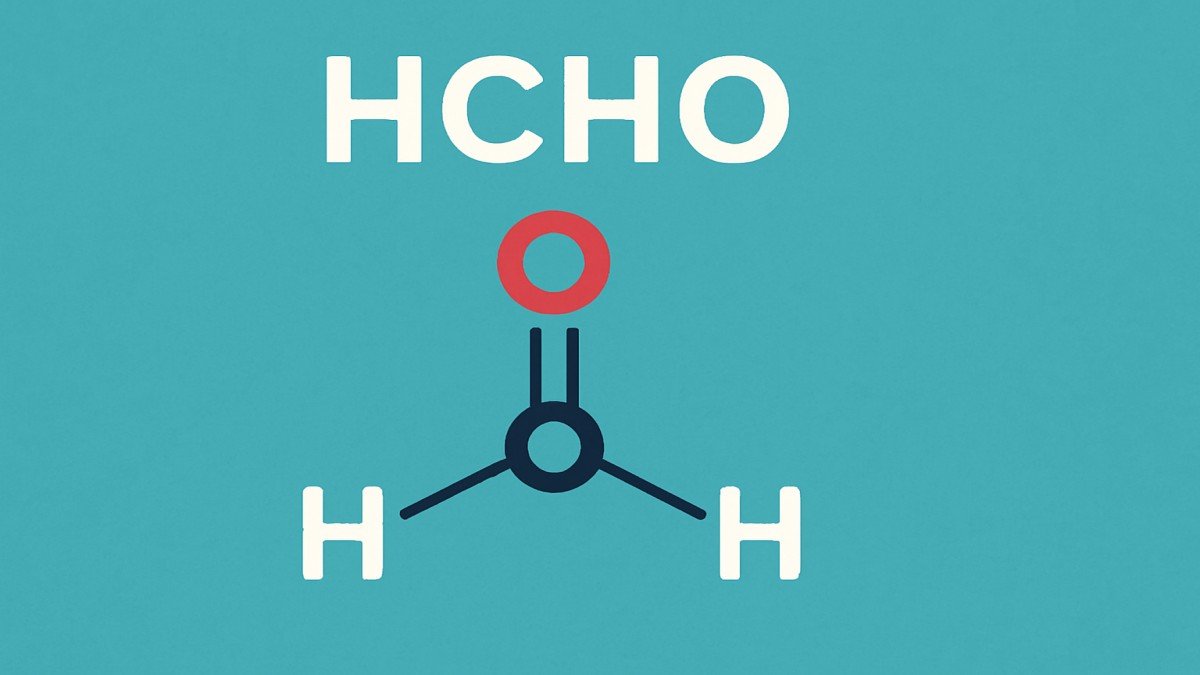
- Chemical Name: Formaldehyde
- Formula: HCHO or CH₂O
- Appearance: Colorless gas with a strong, pungent odor
- Solubility: Highly soluble in water (often available as formalin, a 37–40% aqueous solution)
Formaldehyde is the simplest aldehyde and a highly reactive compound. It is produced naturally in small amounts by living organisms and during combustion, but industrial processes manufacture it in bulk for commercial use.
How is HCHO Produced?
Industrially, HCHO is made by the catalytic oxidation of methanol. This method provides high efficiency and large-scale production for use in plastics, textiles, resins, and other industries.
Common Uses of HCHO
Despite its toxicity, formaldehyde is used in a wide range of applications:
1. Building and Construction Materials
- Used in plywood, particleboard, MDF (medium-density fiberboard), and insulation materials.
- Provides durability, strength, and resistance to moisture.
2. Medical and Laboratory Applications
- Found in formalin, which preserves biological samples.
- Used as a disinfectant and sterilizer in hospitals and labs.
3. Textile Industry
- Improves wrinkle resistance and durability in fabrics.
4. Cosmetics and Personal Care
- Used in very small amounts in shampoos, nail polishes, and skin products (often as a preservative).
5. Agriculture
- Used in fertilizers and as a pesticide.
6. Automotive Industry
- Found in glues, coatings, and interior materials.
Sources of Formaldehyde Exposure
Formaldehyde is not only an industrial chemical; it can also be found in everyday environments. Common sources include:
- Indoor Air: Emissions from furniture, paints, varnishes, and pressed wood products.
- Cigarette Smoke: A significant source of HCHO exposure indoors.
- Combustion Byproducts: Gas stoves, fireplaces, and vehicle exhaust release formaldehyde.
- Household Products: Cleaners, cosmetics, and adhesives.
Health Risks of HCHO
Exposure to HCHO can lead to several health problems, depending on concentration and duration:
1. Short-Term Effects
- Eye, nose, and throat irritation
- Coughing, wheezing, and skin irritation
- Headaches and dizziness
2. Long-Term Effects
- Chronic respiratory problems such as asthma
- Allergic reactions in sensitive individuals
- Classified as a human carcinogen by the International Agency for Research on Cancer (IARC) – prolonged exposure is linked to nasopharyngeal cancer and leukemia
Occupational Exposure to HCHO
Workers in industries such as furniture manufacturing, textile processing, and laboratories are at higher risk of HCHO exposure. Regulatory bodies like OSHA (Occupational Safety and Health Administration) set permissible exposure limits to protect workers.
Regulations and Safety Standards
Due to its potential risks, formaldehyde is strictly regulated:
- WHO recommends indoor air levels not exceeding 0.1 mg/m³.
- EPA (Environmental Protection Agency) monitors emissions from building materials.
- OSHA limits workplace exposure to 0.75 ppm (8-hour time-weighted average).
How to Reduce HCHO Exposure
You don’t have to panic about HCHO in daily life, but it’s wise to take precautions:
- Improve Ventilation – Keep homes and offices well-ventilated to reduce indoor concentrations.
- Choose Low-Emission Products – Opt for furniture and materials labeled as low formaldehyde or E0/E1 certified.
- Avoid Smoking Indoors – Cigarette smoke significantly increases formaldehyde levels.
- Use Air Purifiers – Activated carbon filters can reduce formaldehyde in indoor air.
- Personal Protection at Work – Workers should use masks, gloves, and follow safety protocols.
Conclusion
HCHO, or formaldehyde, is a chemical with a double-edged nature. On one hand, it is indispensable in industries ranging from construction and textiles to healthcare. On the other, it poses serious health risks, especially with prolonged exposure. By following safety guidelines, choosing low-emission products, and ensuring proper ventilation, we can balance the benefits of formaldehyde with its potential dangers.
Ultimately, the key is awareness and precaution. With safer alternatives on the rise, industries and individuals alike can reduce dependence on HCHO while protecting health and the environment.
FAQs
1. What does HCHO stand for?
HCHO stands for formaldehyde, the simplest aldehyde with the chemical formula CH₂O.
2. Is HCHO dangerous?
Yes, prolonged exposure can cause respiratory issues, allergic reactions, and even cancer.
3. Where is HCHO most commonly found at home?
It’s often found in pressed wood furniture, paints, adhesives, and cigarette smoke.
4. Can air purifiers remove HCHO?
Yes, activated carbon-based air purifiers can reduce formaldehyde levels indoors.
5. Are there safe alternatives to HCHO?
Yes, formaldehyde-free adhesives, coatings, and cosmetics are increasingly available in the market.