




Introduction
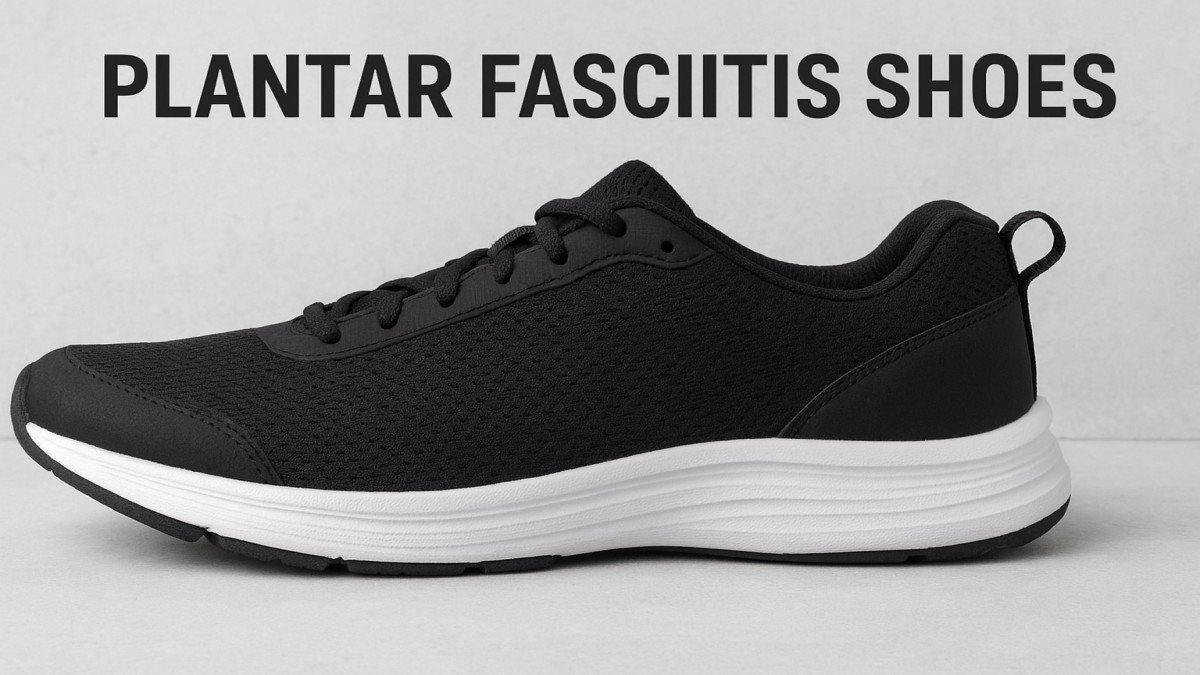
Plantar Fasciitis Shoes. If you’ve ever experienced stabbing heel pain first thing in the morning, chances are you’ve dealt with plantar fasciitis. One of the simplest yet most effective ways to manage it is by choosing the right shoes. Let’s break down everything you need to know about plantar fasciitis shoes so you can walk comfortably again.
What is Plantar Fasciitis?
Plantar fasciitis is the inflammation of the thick band of tissue (the plantar fascia) that runs along the bottom of your foot, connecting the heel to the toes.
Symptoms
- Sharp heel pain, especially in the morning
- Pain after long periods of standing
- Discomfort during or after exercise
Causes
- Overuse or excessive activity
- Poor footwear with little support
- Flat feet or very high arches
- Standing for long hours
Why Footwear Matters for Plantar Fasciitis
Shoes are your first line of defense. Proper footwear reduces pressure on the heel, supports your arch, and minimizes the stress on your plantar fascia. The wrong shoes? They can make your pain much worse.
Key Features of Plantar Fasciitis Shoes
Arch Support
Good arch support helps distribute weight evenly across your foot.
Cushioning
A well-cushioned midsole absorbs shock and reduces heel pain.
Heel Stability
Firm heel counters keep your foot aligned and prevent strain.
Shock Absorption
Materials like EVA foam and gel technology protect your foot with every step.
Best Types of Shoes for Plantar Fasciitis
- Walking Shoes: Supportive and cushioned for daily use.
- Running Shoes: Designed with impact absorption to reduce stress.
- Work Shoes: Provide all-day comfort for people on their feet.
- Sandals: Orthopedic sandals with arch support can be great for summer.
Top Shoe Brands Known for Plantar Fasciitis Relief
- ASICS: Gel cushioning and stability designs.
- Brooks: Excellent running shoes with arch support.
- New Balance: Wide options and orthopedic-friendly models.
- Hoka: Ultra-cushioned midsoles for pain relief.
- Orthopedic Brands (like Vionic or Orthofeet): Specifically made for foot conditions.
Plantar Fasciitis Shoes for Men
Men often need sturdier shoes with more heel stability. Brands like New Balance and Brooks offer durable running and walking shoes perfect for daily wear.
Plantar Fasciitis Shoes for Women
Women benefit from a mix of support and style. Orthopedic sandals and sneakers from Vionic or Hoka provide excellent relief while still looking fashionable.
Do Custom Orthotics Help?
Yes! If off-the-shelf shoes aren’t enough, orthotics provide extra arch support tailored to your foot. They can turn a good shoe into a great one for plantar fasciitis.
Tips for Choosing the Right Shoe
- Try shoes at the end of the day when feet are swollen.
- Look for firm heel counters.
- Test cushioning by pressing on the midsole.
- Avoid flat shoes and flip-flops.
How to Test if a Shoe Supports Plantar Fasciitis
A simple test: bend the shoe. If it bends easily in the middle, it’s too flimsy. Supportive shoes should bend only near the toes.
Common Mistakes When Buying Shoes for Plantar Fasciitis
- Choosing style over support
- Wearing old, worn-out shoes
- Ignoring width and fit
- Thinking one shoe works for all activities
Everyday Habits That Complement Supportive Footwear
- Stretch your calves and plantar fascia daily
- Use ice packs after long standing hours
- Replace shoes regularly
- Avoid walking barefoot on hard floors
Budget vs Premium Shoes – Are Expensive Shoes Worth It?
Not always. While premium shoes often have advanced cushioning, many budget-friendly options provide great support. The key is finding the right fit and features for your foot.
How Long Do Plantar Fasciitis Shoes Last?
On average, 6–12 months depending on activity level. Running shoes wear out faster, while work shoes may last longer if rotated.
Conclusion
Plantar fasciitis doesn’t have to keep you sidelined. The right shoes—designed with arch support, cushioning, and stability—can make every step less painful. Whether you’re running, working, or just walking around the house, investing in plantar fasciitis shoes is investing in your comfort and mobility.
FAQs
1. Are memory foam shoes good for plantar fasciitis?
Not always. They may feel soft but often lack proper arch support.
2. Can sandals help with plantar fasciitis?
Yes—if they have strong arch support and cushioning.
3. Should I wear plantar fasciitis shoes indoors?
Yes, avoiding barefoot walking indoors helps reduce strain.
4. How many pairs of shoes should I own for plantar fasciitis?
Ideally at least two, so you can rotate them and extend their lifespan.
5. Can plantar fasciitis shoes cure the condition?
They don’t cure it but significantly reduce symptoms and prevent worsening.