
When you think of mustard, your mind might instantly go to the tangy yellow condiment spread on hot dogs and sandwiches. But mustard powder, the dry, ground form of mustard seeds, is a kitchen staple and medicinal ingredient with a much richer story to tell. From adding a flavorful punch to recipes to being used for therapeutic remedies, mustard powder has earned its place in both culinary and health traditions across the world.
In this article, we’ll explore what mustard powder is, its origins, how to use it, its nutritional benefits, and some surprising uses you might not expect.
What Is Mustard Powder?
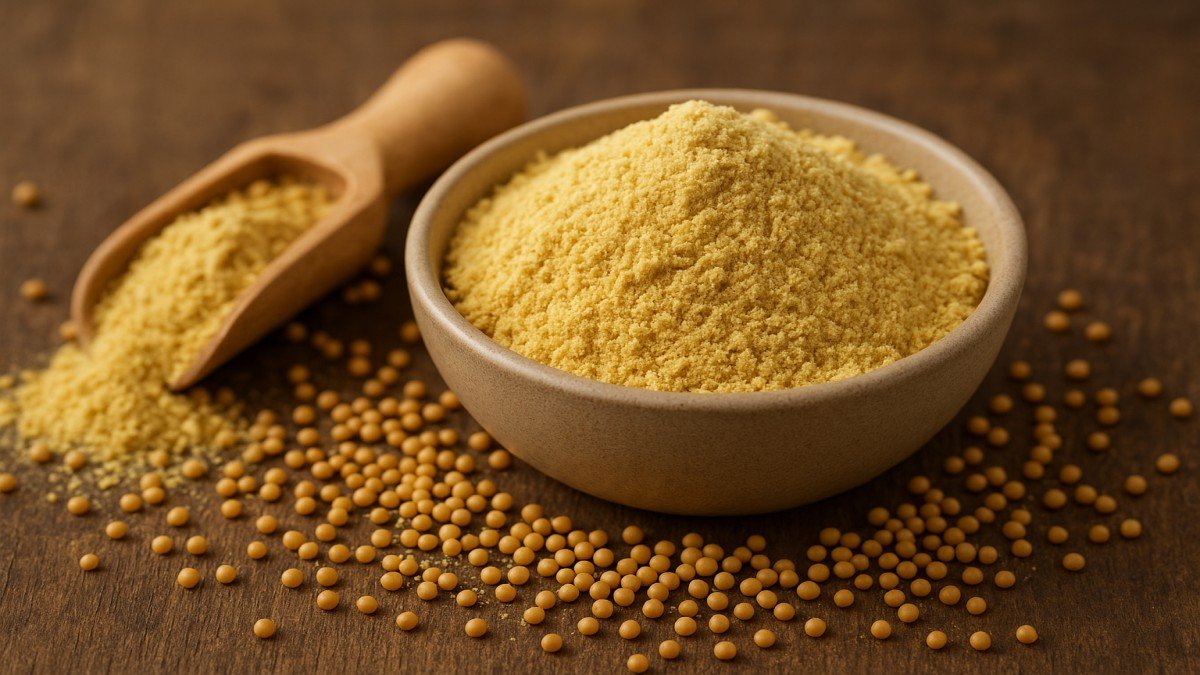
Mustard powder is made by grinding dried mustard seeds into a fine, yellowish powder. Depending on the seed variety, mustard powder can range in flavor from mild and slightly sweet to strong, pungent, and spicy.
The three main types of mustard seeds are:
- Yellow/White Mustard Seeds (mildest flavor)
- Brown Mustard Seeds (more robust, often used in Indian cooking)
- Black Mustard Seeds (sharp and pungent)
The powder can be used as a spice, a base for mustard condiments, or even for medicinal and household purposes.
A Brief History of Mustard Powder
Mustard seeds have been used for thousands of years, dating back to ancient civilizations like the Greeks and Romans, who valued mustard for both culinary and healing purposes. The powdered form became more popular in the 18th century in England when millers began grinding the seeds into a fine spice.
Today, mustard powder continues to play a significant role in global cuisines, from Western cooking to Asian spice blends.
Culinary Uses of Mustard Powder
One of the greatest strengths of mustard powder is its versatility in the kitchen.
1. Making Prepared Mustard
Mixing mustard powder with water, vinegar, or wine creates the tangy condiment we know as prepared mustard. The liquid activates enzymes in the powder, releasing its characteristic sharp flavor.
2. Flavoring Meat and Marinades
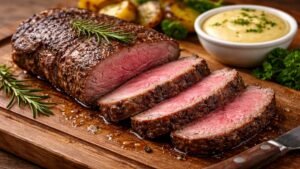
Mustard powder acts as a tenderizer for meats and enhances marinades with its bold taste. It’s often used in rubs for ribs, chicken, and beef.
3. Spice Blends and Seasonings
It’s a common ingredient in curry powders, barbecue rubs, and spice blends for pickling.
4. Thickening and Emulsifying
Mustard powder has natural emulsifying properties, helping to stabilize sauces like mayonnaise and vinaigrettes.
5. Baking
A dash of mustard powder enhances cheese dishes, bread, and savory pastries, balancing rich flavors with a hint of spice.
Nutritional Profile of Mustard Powder
Mustard powder is not just about taste—it’s packed with nutrients that provide health benefits.
- Rich in minerals: Selenium, magnesium, and iron.
- Good source of antioxidants: Helps fight free radicals.
- Contains glucosinolates: Compounds linked to cancer prevention.
- Low in calories: Makes it a diet-friendly spice.
A tablespoon of mustard powder typically contains about 16 calories, negligible fat, and a good boost of minerals.
Health Benefits of Mustard Powder
For centuries, mustard powder has been used in natural remedies. Here are some of its benefits:
1. Aids Digestion
Mustard stimulates saliva and digestive juices, improving digestion and metabolism.
2. Relieves Congestion
A mustard powder poultice or mustard bath can help clear chest congestion and ease cold symptoms.
3. Pain Relief
Applied externally, mustard powder mixed with water can soothe muscle pain, arthritis, and joint stiffness.
4. Anti-Inflammatory Properties
The selenium and magnesium in mustard powder help reduce inflammation in the body.
5. Promotes Skin Health
When used in moderation, mustard powder can act as a natural exfoliant in DIY skincare.
Conclusion
Mustard powder is much more than a spice—it’s a powerhouse of flavor, nutrition, and natural remedies. From jazzing up your recipes to offering relief from colds and sore muscles, its versatility is unmatched. Whether you’re a food lover, a natural health enthusiast, or just someone curious about kitchen staples, mustard powder deserves a spot in your pantry.
So, next time you sprinkle some into your dish, remember—you’re using an ingredient with thousands of years of history and benefits packed into every grain.
FAQs About Mustard Powder
1. Can I substitute mustard powder with prepared mustard?
Yes, but keep in mind that prepared mustard contains liquid and vinegar, so you may need to adjust the recipe.
2. Is mustard powder gluten-free?
Pure mustard powder is naturally gluten-free, but always check labels for additives.
3. Can mustard powder help with weight loss?
It may slightly boost metabolism, but it works best as part of a balanced diet and lifestyle.
4. How do I make mustard from mustard powder?
Mix mustard powder with water, vinegar, or wine, and let it sit for a few minutes to develop flavor.
5. Does cooking affect mustard powder’s health benefits?
Yes, high heat can reduce some of its beneficial compounds, so it’s often best used in low-heat or no-cook recipes.