




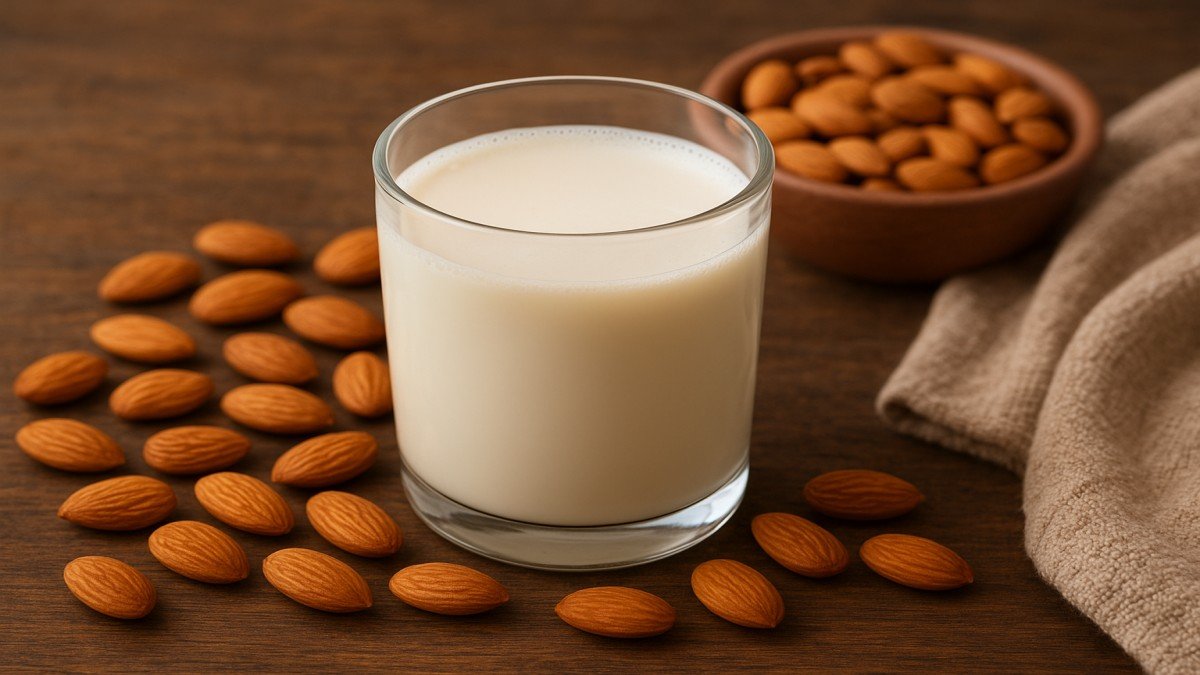
In recent years, organic almond milk has become one of the most popular plant-based alternatives to cow’s milk. With its creamy texture, nutty flavor, and health-conscious appeal, it’s now a staple in kitchens, coffee shops, and supermarkets worldwide. But what makes organic almond milk stand out from regular almond milk or other dairy substitutes? Let’s dive into what it is, why people are choosing it, and how it fits into a healthy lifestyle.
What Is Organic Almond Milk?
Organic almond milk is a plant-based beverage made from organically grown almonds and water. Unlike conventional almond milk, the almonds used are cultivated without synthetic pesticides, herbicides, or genetically modified organisms (GMOs).
The process typically involves soaking almonds, blending them with water, and straining the mixture to create a smooth, dairy-free milk. Some versions are sweetened or flavored with vanilla, cocoa, or natural additives, while others are kept unsweetened for a cleaner taste.
Why Choose Organic Almond Milk Over Regular Almond Milk?
The main difference lies in farming practices. Organic almonds are grown under strict standards that avoid harmful chemicals, making the milk not only healthier but also more environmentally friendly. Here’s why people often prefer the organic variety:
- Fewer Pesticides: Safer for your body and better for the planet.
- Non-GMO Guarantee: Certified organic almond milk ensures no genetically modified crops.
- Better for Soil and Ecosystems: Organic farming promotes biodiversity and healthier soil.
- Cleaner Taste: Many people find organic almond milk to have a more natural flavor.
Nutritional Profile of Organic Almond Milk
While almond milk is naturally lower in calories compared to dairy milk, its nutritional content depends on the brand and whether it’s fortified. Generally, a cup of unsweetened organic almond milk contains:
- Calories: 30–50
- Protein: 1–2 grams
- Fat: 2–3 grams (mostly heart-healthy unsaturated fats)
- Carbohydrates: 1–2 grams
- Calcium: Often fortified to match cow’s milk levels
- Vitamin D & B12: Frequently added to support bone and overall health
Organic almond milk is naturally lactose-free, cholesterol-free, and low in sugar (especially unsweetened versions).
Health Benefits of Organic Almond Milk
1. Dairy-Free and Vegan-Friendly
Perfect for people with lactose intolerance, dairy allergies, or those following a vegan lifestyle.
2. Low in Calories
Helps with weight management since it contains fewer calories compared to whole milk.
3. Heart-Healthy Fats
Almonds are rich in monounsaturated fats, which support cardiovascular health.
4. Bone Health Support
Fortified organic almond milk often contains calcium and vitamin D, essential for strong bones.
5. Skin and Hair Benefits
Vitamin E, found naturally in almonds, is known for promoting healthy skin and protecting against oxidative stress.
Is Organic Almond Milk Good for the Environment?
This is where things get interesting. Organic almond milk avoids pesticides and synthetic chemicals, which is a win for biodiversity and soil health. However, almond farming does require significant amounts of water, especially in regions like California where most almonds are grown.
Choosing organic helps reduce chemical impact, but mindful consumption and variety (rotating with oat, soy, or hemp milk) can make your diet more sustainable.
How to Use Organic Almond Milk
Organic almond milk is incredibly versatile and can be used in almost any recipe that calls for dairy milk.
- In Coffee and Tea: Froths well for lattes and cappuccinos.
- Smoothies: Adds creaminess without extra sugar.
- Cereal and Oatmeal: A lighter, nutty alternative to cow’s milk.
- Baking and Cooking: Works well in pancakes, muffins, sauces, and soups.
- As a Standalone Drink: Refreshing when chilled, especially flavored varieties.
Conclusion
Organic almond milk isn’t just a trendy drink—it’s a wholesome, plant-based option that supports a healthier lifestyle and reduces exposure to synthetic chemicals. While it may not be the most sustainable milk option due to water usage, choosing organic ensures a cleaner, safer, and more eco-friendly choice overall.
Whether you buy it from the store or make it at home, organic almond milk can easily become a nutritious part of your daily routine.
FAQs About Organic Almond Milk
1. Is organic almond milk healthier than regular almond milk?
Yes, since it’s made with almonds grown without pesticides or GMOs, making it a cleaner choice.
2. Can you heat organic almond milk?
Absolutely! It can be used in cooking, baking, and even frothed for hot drinks.
3. How long does organic almond milk last once opened?
Typically 5–7 days in the fridge after opening. Always check the expiration date.
4. Is homemade almond milk better than store-bought?
Homemade versions are fresher and free of additives, but store-bought ones often provide added nutrients through fortification.
5. Can children drink organic almond milk?
Yes, but since it’s low in protein, it should not be the sole milk source for toddlers without consulting a doctor.