



Introduction
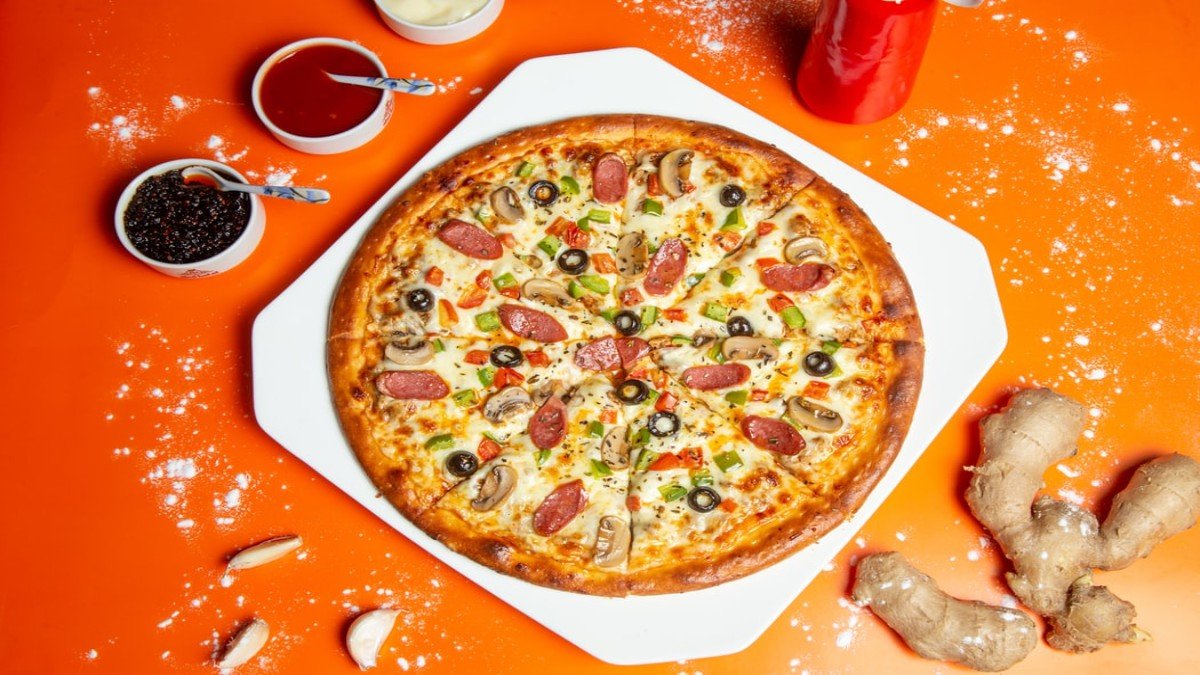
When it comes to pizza, few styles capture the imagination and appetite quite like hand tossed pizza. Loved for its airy crust, crispy edges, and perfect chew, this pizza style balances tradition with flavor. But what exactly makes it so special? Let’s dig in.
What is Hand Tossed Pizza?
Hand tossed pizza is crafted by tossing the dough into the air, allowing gravity and skill to stretch it naturally. Unlike pan or deep-dish pizzas, it’s lighter, crispier, and has a rustic feel.
The History of Hand Tossed Pizza
This style traces back to Naples, Italy, where pizza was born. Italian pizzaiolos perfected the art of tossing dough centuries ago, and today, the tradition lives on in pizzerias worldwide, from New York to Tokyo.
The Art of Tossing Dough
Why toss the dough at all? Tossing aerates the dough, creating a perfect texture—crispy outside, soft inside. Skilled pizzaiolos spin it mid-air, almost like a dance, ensuring even thickness.
Ingredients that Make the Difference
- Flour: High-gluten flour gives strength and chew.
- Yeast: Fermentation develops flavor.
- Olive Oil: Adds richness and elasticity.
- Salt: Brings balance.
These humble ingredients, when treated right, become magic.
How Hand Tossed Pizza is Made
- Mix flour, yeast, salt, and water.
- Knead until smooth.
- Rest and let it rise.
- Toss and stretch the dough.
- Add toppings.
- Bake at high heat.
Texture and Taste Profile
Hand tossed pizza is all about balance—crispy edges, chewy interior, and that signature char when baked in a stone or wood-fired oven.
Hand Tossed vs. Pan Pizza
- Pan pizza: Thicker, greasier, bread-like.
- Hand tossed: Lighter, crispier, rustic.
If you want airy texture, hand tossed wins.
Hand Tossed vs. Thin Crust
Thin crust is crispier and lighter, but lacks the chewiness that defines hand tossed pizza.
Regional Variations of Hand Tossed Pizza
- Neapolitan: Soft, blistered crust.
- New York style: Foldable slices, slightly thicker.
- Mediterranean: Olive oil-rich crust with herbs.
Toppings That Pair Best
Hand tossed pizza shines with toppings like:
- Classic: Mozzarella, tomato sauce, basil.
- Meat lovers: Pepperoni, sausage, ham.
- Gourmet: Prosciutto, arugula, goat cheese.
Cooking Methods
Traditionally baked in wood-fired ovens, modern home chefs can use a pizza stone or cast iron to achieve similar results.
Why People Love It
There’s something rustic, authentic, and personal about hand tossed pizza. It’s imperfectly perfect—the little bubbles and char give it soul.
Tips for Making It at Home
- Use high-heat ovens (ideally 475°F or more).
- Invest in a pizza stone or steel.
- Don’t overload with toppings.
- Practice tossing—it’s fun and effective!
Health Aspect
Hand tossed pizza, while indulgent, can be healthier than pan pizza since it uses less oil. Opt for lean meats, fresh veggies, and reduced cheese for balance.
Hand Tossed Pizza in Popular Culture
From New York street scenes to countless TV shows and movies, hand tossed pizza is a cultural icon—often depicted as the “real” pizza.
Conclusion
Hand tossed pizza isn’t just food; it’s an experience. Its light, chewy crust, balanced flavors, and traditional preparation make it timeless. Whether at a pizzeria or your own kitchen, nothing beats that first bite of a perfectly tossed pie.
FAQs
1. What makes hand tossed pizza unique?
The airy, chewy crust and rustic texture set it apart.
2. Can you make hand tossed pizza without tossing?
Yes, but tossing improves texture and authenticity.
3. Is hand tossed pizza healthier than pan pizza?
Generally, yes—it has less oil and a lighter crust.
4. What oven is best for baking hand tossed pizza?
Wood-fired ovens are ideal, but a home oven with a pizza stone works too.
5. Can gluten-free dough be hand tossed?
Yes, though it’s trickier since gluten-free dough lacks elasticity.