



Introduction
Arabic coffee, or qahwa, is more than just a drink it’s a tradition, a cultural symbol, and a gesture of hospitality. From family gatherings to formal ceremonies, Arabic coffee plays a central role in the social fabric of the Middle East.
What is Arabic Coffee?
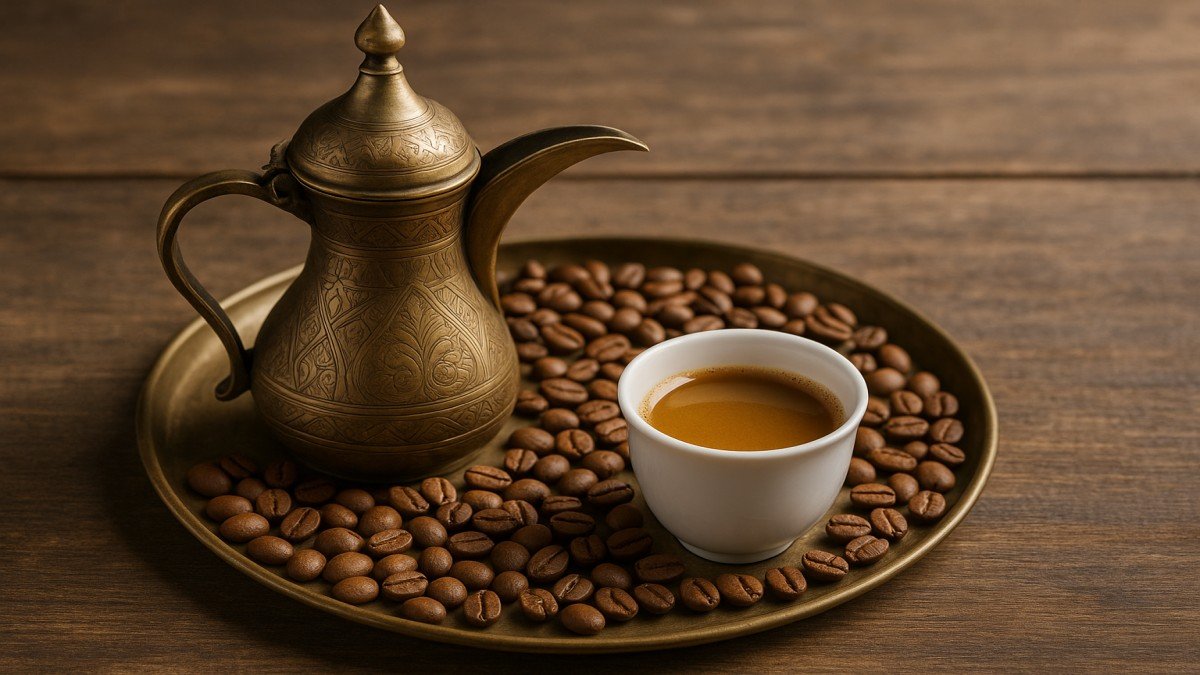
Unlike Western coffee, Arabic coffee is made with lightly roasted beans, flavored with cardamom, and sometimes infused with saffron or cloves. Its golden color and spiced aroma make it unique.
The History of Arabic Coffee
The roots of Arabic coffee trace back to Ethiopia and Yemen, where coffee beans were first cultivated. By the 15th century, coffee had spread across the Arabian Peninsula, becoming a cornerstone of Arab hospitality.
The Role of Arabic Coffee in Culture
In Arab tradition, serving coffee is a sign of respect and generosity. Guests are always offered coffee before any meal, and refusing it can even be considered impolite.
Types of Arabic Coffee
- Saudi Qahwa: Light, golden, with cardamom and saffron.
- Emirati Coffee: Similar but slightly more aromatic with rose water.
- Bedouin Coffee: Stronger, often brewed longer.
Key Ingredients of Arabic Coffee
- Light-roasted beans for a mild base.
- Cardamom for spice and aroma.
- Saffron, cloves, or rose water for depth.
How Arabic Coffee is Prepared
- Roast the beans lightly.
- Grind them coarsely.
- Boil water in a dallah (traditional pot).
- Add coffee, then cardamom and saffron.
- Serve in small cups called finjan.
The Taste Profile
Arabic coffee is light, spiced, and refreshing, unlike the bold bitterness of espresso. It’s smooth, fragrant, and meant for sipping slowly.
Serving Traditions
Coffee is poured into small cups, often less than half full. The host keeps refilling until the guest shakes the cup slightly, signaling they’re done. Dates or nuts are almost always served alongside.
Arabic Coffee vs Turkish Coffee
- Arabic coffee: Light roast, spiced, golden color.
- Turkish coffee: Dark roast, thick, unfiltered grounds.
Health Benefits
Thanks to its spices, Arabic coffee aids digestion, boosts energy, and is rich in antioxidants. Cardamom and saffron also provide anti-inflammatory benefits.
Common Misconceptions
- It’s not strong—Arabic coffee is milder than most Western brews.
- It’s not uniform—different regions prepare it differently.
Modern Influence
Specialty cafes across the Middle East are reinventing Arabic coffee, serving it in stylish settings while preserving tradition. Globally, it’s gaining popularity among coffee enthusiasts.
Making Arabic Coffee at Home
You’ll need:
- A dallah or pot
- Light roasted beans
- Cardamom pods
- Saffron (optional)
Boil water, add ground beans, simmer, then add spices. Serve hot in finjan cups.
Tips for the Perfect Cup
- Don’t over-roast the beans.
- Balance cardamom carefully—it’s strong.
- Use fresh spices for best flavor.
Arabic Coffee in Festivals and Ceremonies
From weddings to national holidays, Arabic coffee is central. It symbolizes unity, hospitality, and tradition passed down for generations.
Conclusion
Arabic coffee isn’t just about taste—it’s about connection, tradition, and identity. Whether shared at home or in a café, it’s a timeless ritual that continues to bring people together.
FAQs
1. What makes Arabic coffee different?
Its light roast, spices, and cultural traditions set it apart.
2. Can you drink Arabic coffee without cardamom?
Yes, but cardamom is essential for authenticity.
3. Is Arabic coffee stronger than espresso?
No, it’s lighter and less caffeinated.
4. Why is Arabic coffee served in small cups?
It’s meant for savoring slowly, not gulping.
5. Can you add milk or sugar?
Traditionally, no. It’s enjoyed plain, often with dates for sweetness.