



There’s something deeply fascinating about the idea of a deserted island. For some, it sparks dreams of peace, escape, and paradise. For others, it’s a test of survival, resourcefulness, and resilience. From movies and novels to real-life accounts of castaways, deserted islands have always captured human imagination. But what does it really mean to find yourself alone on one? Let’s dive into the world of deserted islands, exploring survival strategies, cultural significance, and the life lessons they represent.
What is a Deserted Island?
A deserted island (often called an uninhabited island) is a remote piece of land surrounded by water with no permanent human residents. While many deserted islands are small, some are quite large but remain unoccupied due to their isolation, lack of resources, or challenging environments.
Why Are Deserted Islands So Captivating?
The idea of a deserted island appeals because it represents both freedom and fear. Freedom from the chaos of modern life — but also fear of isolation and survival. It’s the ultimate “what if” scenario that forces us to think about what we truly need to live.
Famous Deserted Islands in Literature and Media
- Robinson Crusoe by Daniel Defoe — the classic castaway tale of survival and ingenuity.
- Lord of the Flies by William Golding — a chilling exploration of human nature on a deserted island.
- Cast Away (film starring Tom Hanks) — a modern survival story of resilience and hope.
- Survivor (TV show) — reality entertainment inspired by the challenges of isolated island living.
These stories highlight both the struggles and the profound self-discovery that can come from isolation.
How to Survive on a Deserted Island
If you ever found yourself stranded on a deserted island, survival would depend on three main priorities:
1. Find Fresh Water
Water is essential. Look for streams, rainwater collection, or dew. Avoid seawater — it dehydrates you instead of quenching thirst.
2. Secure Food Sources
Fruits, coconuts, edible plants, and fish are typical food sources. Learning basic foraging skills can make all the difference.
3. Build Shelter
Protection from sun, rain, and wind is critical. Palm leaves, branches, and driftwood can provide cover.
4. Create Fire
Fire provides warmth, protection, and the ability to cook food. It also doubles as a distress signal.
5. Signal for Rescue
Use rocks, fire smoke, or reflective objects to attract attention from passing planes or ships.
Psychological Challenges of Isolation
Physical survival is one thing — mental strength is another. Loneliness, fear, and uncertainty can wear a person down quickly. Many real-life castaways describe talking to themselves, creating routines, or clinging to hope as crucial mental survival strategies.
The Real-Life Robinsons
Throughout history, countless sailors, fishermen, and travelers have been stranded on deserted islands. Some survived for years before rescue, while others built small communities. Their stories often highlight human resilience and creativity in the face of extreme hardship.
Lessons from a Deserted Island
A deserted island scenario teaches us about:
- Self-reliance — relying only on what’s around you.
- Adaptability — turning problems into opportunities.
- Gratitude — realizing the importance of basics like food, water, and companionship.
- Inner Strength — discovering resilience in solitude.
The Romanticized View of Deserted Islands
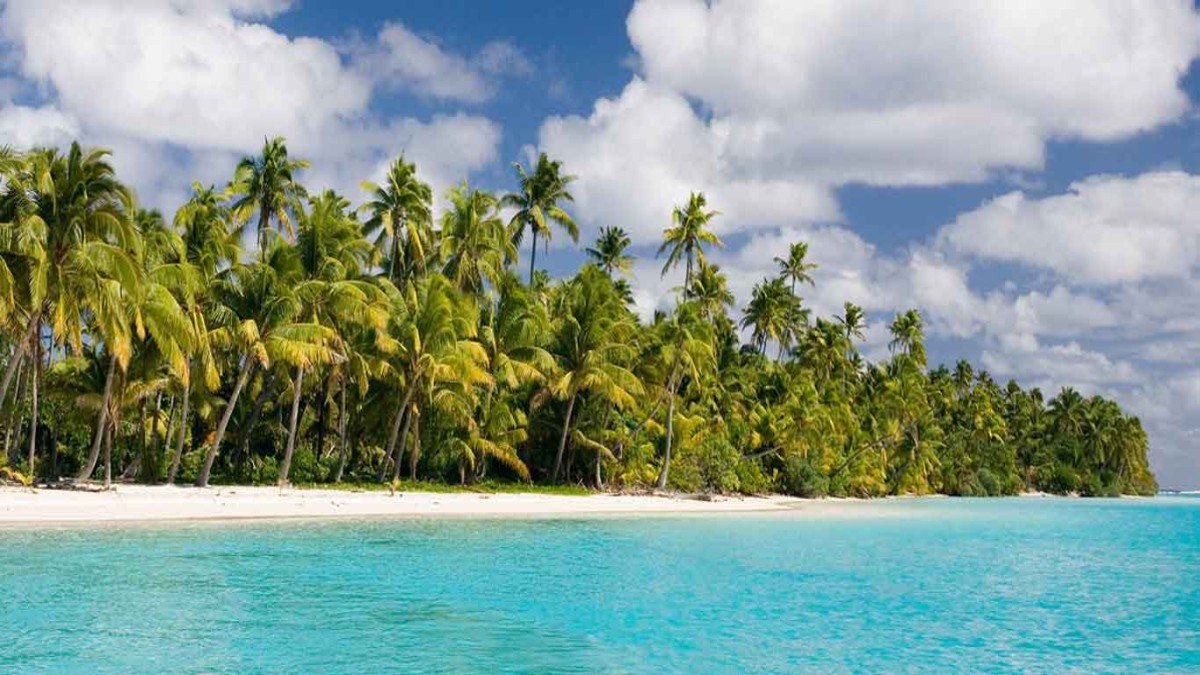
While survival is tough, popular culture often romanticizes deserted islands as paradises. White sandy beaches, palm trees, and turquoise waters are seen as escapes from modern chaos. This dual image — both paradise and prison — is what makes deserted islands so fascinating.
Would You Survive on a Deserted Island?
Ask yourself:
- Could you start a fire without matches?
- Do you know how to identify edible plants?
- How long could you handle isolation without modern comforts?
It’s a fun thought experiment, but also a reminder of how dependent we are on modern conveniences.
Conclusion
A deserted island is more than just a location — it’s an idea. It represents survival, freedom, and self-discovery. From the practical skills required to stay alive to the deeper psychological and emotional lessons it brings, the concept continues to inspire books, films, and even personal daydreams. Whether you see it as paradise or prison, one thing is clear: life on a deserted island would change anyone forever.
FAQs
1. What is the biggest challenge on a deserted island?
Finding fresh water is usually the hardest and most urgent challenge.
2. Are there real deserted islands left today?
Yes, there are thousands of uninhabited islands around the world, many untouched by humans.
3. Can you really survive on coconuts alone?
Coconuts provide hydration and nutrition, but long-term survival requires a balanced diet.
4. Why do deserted islands appear in so many stories?
They act as a perfect setting to explore human survival, morality, and resilience.
5. Is visiting a deserted island possible?
Some tours offer trips to remote, uninhabited islands — though they’re usually temporary and guided for safety.