




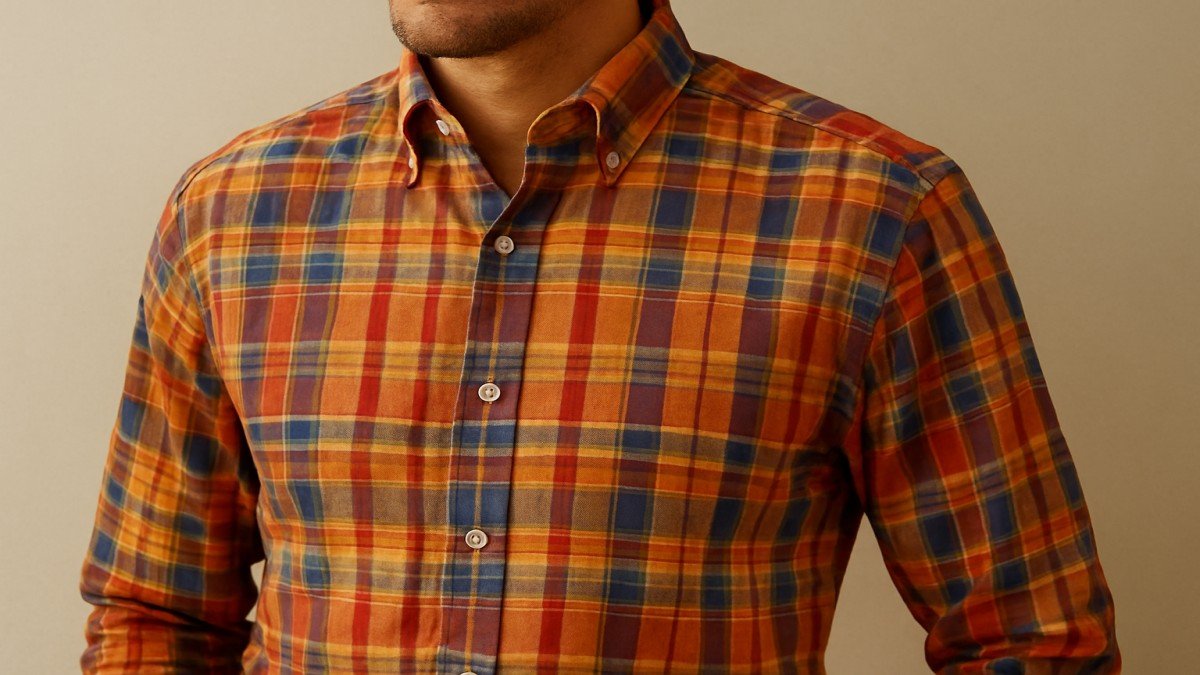
Introduction to Madras Shirt
The Madras shirt is not just another piece of clothing it’s a story woven into cotton threads. Known for its colorful plaid patterns and breathable fabric, the Madras shirt has become a wardrobe essential worldwide. But have you ever wondered where it comes from and why it’s so popular? Let’s dive into the fascinating world of Madras shirts.
History of the Madras Shirt
Origins in Chennai (Madras), India
The Madras shirt takes its name from the Indian city of Madras (now Chennai). The fabric originated centuries ago and was prized for its lightweight, handwoven cotton—perfect for hot climates.
Colonial Trade and Global Popularity
In the 17th century, traders from Britain and later the United States brought Madras fabric back home. By the 19th century, it had become a staple in Western summer wardrobes.
Fabric Characteristics
Lightweight Cotton Weave
Madras fabric is made of thin cotton, making it ideal for warm weather.
Breathability and Comfort
Its loose weave ensures air circulation, keeping the body cool even in tropical climates.
Signature Plaid Patterns
Bright checks and plaids are what make the Madras shirt instantly recognizable.
Traditional Craftsmanship
Handwoven Heritage
Originally, Madras fabric was woven by hand, giving it an authentic rustic charm.
Vegetable Dyes and Authenticity
Natural dyes were used, which faded over time—creating the famous “bleeding Madras” effect.
Why It’s Called “Madras”
Simply put, the shirt is named after the place where the fabric was first woven. Even today, true Madras fabric comes from Chennai, India.
Popularity in Western Fashion
Ivy League Style
By the 1950s, American Ivy League students adopted the Madras shirt as a symbol of casual sophistication.
1960s Preppy Culture
In the ’60s, brands like Brooks Brothers made Madras shirts a must-have in preppy fashion.
Madras Shirt vs. Other Cotton Shirts
Unlike plain cotton shirts, Madras shirts are lightweight, colorful, and perfect for hot climates.
Types of Madras Shirts
Short-Sleeve Casual
Perfect for beach outings and relaxed weekends.
Long-Sleeve Formal
A smart-casual option for dinners and office wear.
Patchwork Madras
A bold, stitched-together design popular in the U.S.
Styling Madras Shirts for Men
- Pair with chinos for a smart-casual look.
- Wear with shorts for a laid-back summer vibe.
- Layer with a blazer for semi-formal occasions.
Styling Madras Shirts for Women
Women often style Madras shirts with denim shorts, skirts, or even as shirt dresses.
Best Seasons to Wear Madras Shirts
Madras shirts are best worn in spring and summer thanks to their breathability.
Modern Fashion Influence
Today, Madras shirts have made a comeback, blending vintage charm with modern cuts.
How to Identify Authentic Madras Fabric
- Handwoven texture
- Slight imperfections (a sign of authenticity)
- Bright, irregular plaids
Care Tips for Madras Shirts
- Wash in cold water
- Avoid harsh detergents
- Line dry to maintain colors
Where to Buy Quality Madras Shirts
Brands like Brooks Brothers, Ralph Lauren, and Indian handloom stores still sell authentic Madras shirts.
Sustainable and Ethical Aspects
Handwoven Madras supports local Indian weavers, making it a sustainable fashion choice.
Conclusion
The Madras shirt is more than just clothing—it’s culture, history, and timeless style stitched together. Whether you wear it casually on the beach or style it for a semi-formal event, this shirt remains an eternal fashion statement.
FAQs
1. What makes Madras fabric different from regular cotton?
Madras is lightweight, handwoven, and often features bright plaid patterns.
2. Can women wear Madras shirts?
Absolutely! Women style them as casual tops, dresses, or even layered looks.
3. Why is “bleeding Madras” famous?
It refers to Madras fabric dyed with vegetable colors that fade naturally, creating a vintage look.
4. Are Madras shirts still popular today?
Yes, they’ve made a comeback in modern fashion, especially in preppy and casual wear.
5. Where can I find authentic Madras shirts?
Look for brands sourcing from Chennai, India, or reputable stores known for traditional fabrics.