




Introduction
Ever heard of a mojo bag? This little pouch is far more than just a simple cloth sack. Rooted in African American folk magic, it carries centuries of tradition, spirituality, and personal empowerment. A mojo bag is believed to hold magical items that bring protection, luck, prosperity, love, or healing to its owner. Whether you’re curious about its history, looking to make your own, or just fascinated by spiritual practices, this guide will walk you through everything you need to know.
What is a Mojo Bag?
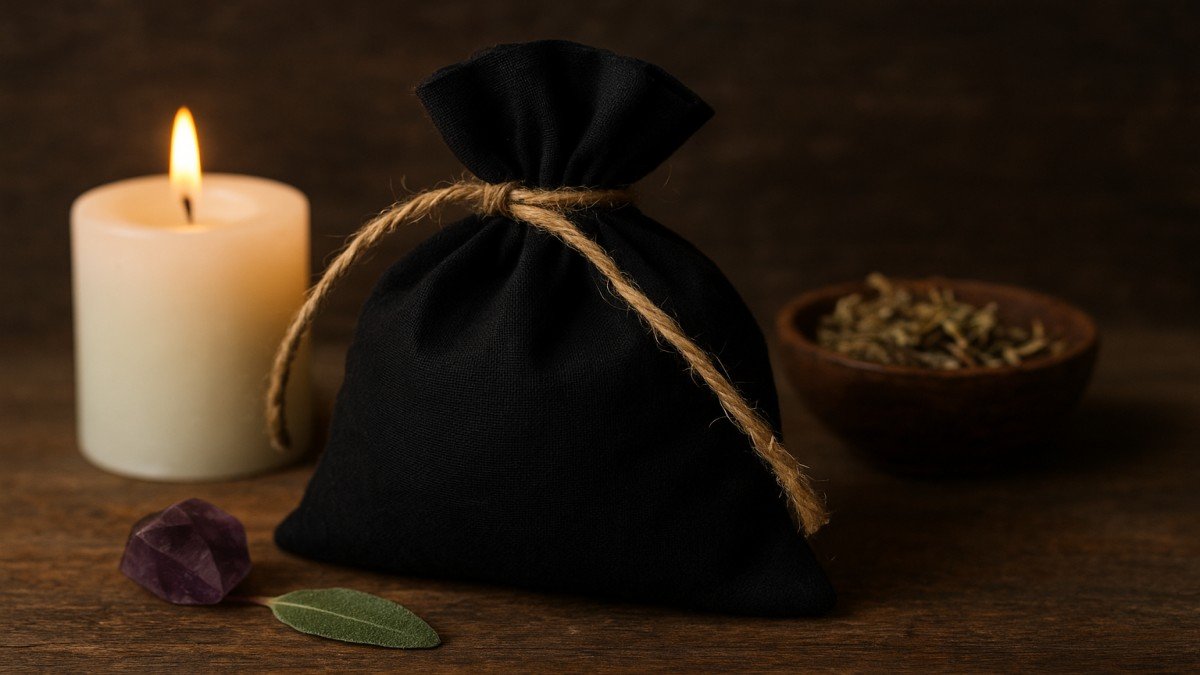
A mojo bag sometimes called a gris-gris bag, toby, or conjure bag—is a small pouch filled with herbs, roots, crystals, charms, and personal items. Unlike a generic good-luck charm, each mojo bag is unique and personalized for a specific purpose.
Origins of the Mojo Bag
- African Roots: Mojo bags trace back to African spiritual traditions brought to America by enslaved Africans.
- Hoodoo Tradition: Over time, these practices blended with Native American herbal knowledge and European folk magic, giving rise to what is now known as Hoodoo.
- Cultural Survival: For many, mojo bags were not only spiritual tools but also symbols of resilience and cultural preservation.
Different Types of Mojo Bags
1. Protection Mojo Bag
Made with herbs like sage, angelica root, or black tourmaline to ward off negative energy.
2. Love Mojo Bag
Often filled with rose petals, cinnamon, and personal tokens to attract romance and passion.
3. Money Mojo Bag
Packed with lodestone, pyrite, and coins to draw financial success.
4. Healing Mojo Bag
Contains healing herbs like lavender, chamomile, or cedar to promote physical and emotional balance.
5. Luck Mojo Bag
Carried for good fortune—often with rabbit’s foot, nutmeg, or allspice.
How to Make a Mojo Bag
Step 1: Choose Your Intention
Decide whether your bag will be for love, money, protection, healing, or success.
Step 2: Pick the Bag
Traditionally, mojo bags are made of red flannel cloth, believed to hold spiritual energy.
Step 3: Select Your Ingredients
Herbs, roots, crystals, personal items (like a hair strand or photo), and symbolic charms.
Step 4: Pray or Speak Over It
Your words give power to the bag. Some chant prayers, affirmations, or verses.
Step 5: Seal the Bag
Tie it shut and avoid letting others touch it—believers say this can weaken its power.
Mojo Bag Rituals
- Feeding the Bag: A mojo bag is considered “alive.” To keep it working, feed it with oil, whiskey, or incense smoke regularly.
- Carrying It: Keep it close—either in a pocket, under a pillow, or around your neck.
- Respecting It: Treat it as a sacred item; don’t toss it around or show it off.
Materials Commonly Used
- Herbs: Basil, sage, cinnamon, rosemary.
- Roots: John the Conqueror root, angelica root.
- Crystals: Amethyst, quartz, pyrite.
- Animal Curios: Rabbit’s foot, feathers.
- Personal Items: Hair, nails, or written petitions.
Mojo Bags vs. Amulets and Talismans
Unlike mass-produced amulets, a mojo bag is deeply personal and hand-crafted with intention. It’s not just about the items inside, but the energy and prayers put into it.
Modern Uses of Mojo Bags
- In Spiritual Practice: Many still use them in Hoodoo rituals.
- In Everyday Life: Some carry them discreetly as good-luck charms.
- In New Age Communities: They’ve been adopted into broader spiritual practices.
Myths and Misconceptions
- Myth: Mojo bags are evil.
- Truth: They are neutral—tools for good or bad depending on intent.
- Myth: Anyone can touch your bag.
- Truth: Tradition says only the owner should handle it.
- Myth: They’re only for money or love.
- Truth: Mojo bags can be made for nearly any purpose.
Conclusion
A mojo bag is more than just a pouch of herbs and charms—it’s a spiritual companion, a reminder of resilience, and a tool for personal empowerment. Whether you carry one for protection, love, or success, its true power lies in intention and belief.
FAQs
1. Can anyone make a mojo bag?
Yes, anyone can, but it’s best to do so with respect for its cultural roots.
2. How long does a mojo bag last?
As long as it’s cared for—some last years if fed and respected.
3. Do mojo bags really work?
For believers, yes. Their effectiveness is often linked to faith and intention.
4. Can I buy a mojo bag instead of making one?
Yes, many practitioners sell them, but a handmade one is often considered more powerful.
5. What should I do if my mojo bag gets damaged?
Tradition suggests respectfully burying it and making a new one.