




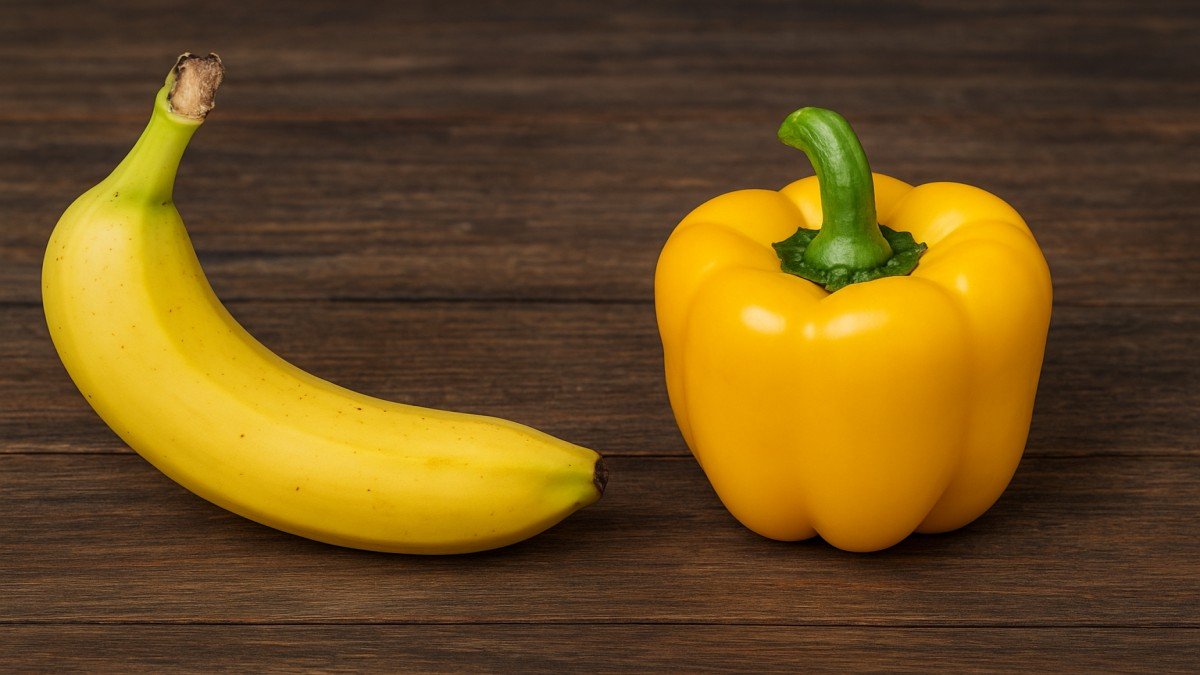
When we think of peppers, most people imagine spicy jalapeños or crunchy bell peppers. But have you ever heard of banana capsicum? This unique pepper variety combines mild sweetness, bright color, and a hint of tanginess, making it a favorite among gardeners, chefs, and food lovers. In this article, we’ll explore everything you need to know about banana capsicum its origins, uses, nutritional value, health benefits, and how to grow it at home.
What Is Banana Capsicum?
Banana capsicum, also known as the banana pepper (Capsicum annuum), is a mild, tangy chili pepper shaped like—you guessed it—a banana. It’s typically 6 to 8 inches long, slightly curved, and ripens from pale yellow to orange or red.
Despite its name, the banana pepper is not related to the banana fruit. Its name simply comes from its shape and color resemblance. It’s part of the Capsicum annuum family, which also includes bell peppers, jalapeños, and cayenne peppers.
Varieties of Banana Capsicum
There are two main types of banana peppers:
- Sweet Banana Capsicum – Mild and tangy, perfect for salads, sandwiches, and pickling.
- Hot Banana Capsicum – Slightly spicier but still mild compared to jalapeños, adding a gentle kick to dishes.
Both types are popular in Mediterranean, American, and Asian cuisines for their versatility and flavor balance.
Nutritional Value of Banana Capsicum
Banana capsicums may be light in calories, but they’re packed with nutrients. Here’s what you’ll find in a 100-gram serving:
- Calories: 27 kcal
- Carbohydrates: 6 g
- Protein: 1 g
- Fiber: 1.5 g
- Vitamin C: 70 mg (over 75% of your daily need!)
- Vitamin A: 150 IU
- Folate and Potassium: Moderate amounts
These peppers are low in fat and sodium, making them ideal for weight-conscious eaters and those looking for heart-healthy foods.
Health Benefits of Banana Capsicum
1. Boosts Immunity
Loaded with Vitamin C, banana capsicum strengthens your immune system, helping your body fight infections and heal wounds faster.
2. Promotes Eye Health
The pepper’s bright yellow hue comes from carotenoids, which protect your eyes from degeneration and improve night vision.
3. Aids Digestion
With its fiber content, banana capsicum promotes smooth digestion and prevents constipation.
4. Helps with Weight Management
Low in calories and fat but high in fiber, banana peppers keep you feeling full longer, reducing the temptation to overeat.
5. Supports Heart Health
Potassium and antioxidants in banana capsicum help regulate blood pressure and protect against cardiovascular diseases.
6. Enhances Skin and Hair
Vitamin A and C in banana peppers help maintain glowing skin and healthy hair, fighting free radicals and promoting collagen production.
Culinary Uses of Banana Capsicum
Banana capsicum is a kitchen all-star thanks to its mild, slightly sweet flavor. It can be eaten raw, cooked, or pickled. Here’s how people love to use it:
1. Pickled Banana Peppers
Perhaps the most popular way to enjoy banana capsicum! Pickled banana peppers are crunchy, tangy, and perfect for topping pizzas, sandwiches, and salads.
2. Fresh Salads
Add sliced banana capsicum to salads for a burst of color and mild sweetness.
3. Stuffed Peppers
Their hollow structure makes them perfect for stuffing with rice, cheese, or meat mixtures before baking.
4. Stir-Fries and Curries
Add chopped banana capsicum to stir-fries or curries for extra texture and flavor.
5. Sandwiches and Wraps
Banana peppers add a delightful crunch and subtle zing to sandwiches, hot dogs, or wraps.
6. Grilled or Roasted
When grilled or roasted, banana capsicum develops a smoky, sweet flavor that complements meats and vegetables.
Conclusion
Banana capsicum is more than just a pretty yellow pepper—it’s a nutrient-rich, flavorful, and versatile ingredient that can transform your meals. From salads to pizzas, from gardens to pickling jars, this humble pepper has proven to be a kitchen gem. With its health benefits and simple cultivation, it’s no wonder banana capsicum is loved worldwide.
FAQs About Banana Capsicum
1. Is banana capsicum spicy?
No, it’s very mild—perfect for those who dislike hot peppers.
2. Can I eat banana peppers raw?
Absolutely! They’re crisp and mildly sweet, making them great in salads and sandwiches.
3. How long does it take for banana capsicum to grow?
It usually takes about 60 to 75 days after planting to harvest.
4. What’s the difference between sweet and hot banana peppers?
Sweet banana peppers are mild, while hot ones have a slight heat but remain less spicy than jalapeños.
5. How do you store banana capsicum?
Keep them in the refrigerator for short-term use or pickle/freeze them for long-term storage.