


Introduction
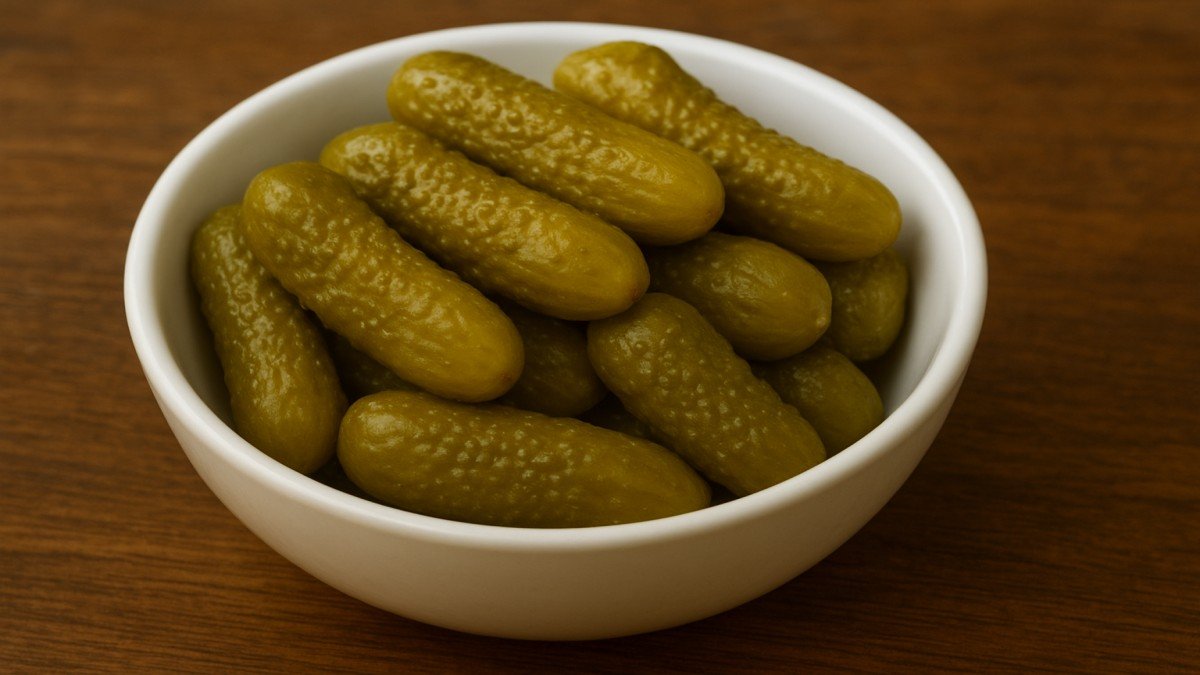
Gherkins tiny, tangy, and deliciously crunchy are the unsung heroes of many dishes. Whether tucked into a juicy burger, added to a salad, or served as a side to cold cuts, these little pickles pack a flavorful punch. Despite their small size, gherkins hold a fascinating history, a range of health benefits, and a prominent place in cuisines around the world.
In this article, we’ll explore everything you need to know about gherkins from their origins to their uses, benefits, and how to make your own jar at home.
What Are Gherkins?
Gherkins are small cucumbers that are typically pickled in a brine, vinegar, or other solution. They are distinct from regular cucumbers because of their size usually harvested when just 1 to 3 inches long — and their bumpy skin texture.
These mini cucumbers belong to the Cucumis sativus family and are most often used for pickling because of their firm flesh, which holds up well in brine.
The Origin and History of Gherkins
The word “gherkin” comes from the Dutch word gurken, meaning “small pickled cucumber.” Pickling as a preservation technique dates back thousands of years, with ancient Mesopotamians and Egyptians using saltwater brine to preserve vegetables.
By the 16th and 17th centuries, European traders brought gherkins to the New World, where they became a staple food item — particularly in America and India. Today, they are popular worldwide, loved for their tangy taste and versatility.
Types of Gherkins
Gherkins come in various styles depending on how they’re prepared and flavored.
1. Sweet Gherkins
These are soaked in a sweet vinegar brine with sugar and spices, giving them a pleasant balance of tart and sugary flavor.
2. Dill Gherkins
Infused with dill leaves or seeds, these gherkins have a strong, herby aroma and are common in European and American pickling traditions.
3. Spicy Gherkins
For those who enjoy a little heat, spicy gherkins are flavored with chili peppers, garlic, and mustard seeds.
4. Kosher Gherkins
Originating from Jewish cuisine, these are seasoned with garlic and dill, prepared under traditional kosher guidelines.
How Are Gherkins Made?
The process of making gherkins is both simple and traditional.
Step 1: Harvesting
Gherkins are harvested young when they are crisp and firm. Timing is key — if left too long, they lose their crunch.
Step 2: Washing and Sorting
The cucumbers are thoroughly washed and sorted by size.
Step 3: Brining
They’re soaked in a salty solution for several hours to draw out moisture and enhance their texture.
Step 4: Pickling
Next, the gherkins are immersed in a mixture of vinegar, herbs, spices, and sometimes sugar.
Step 5: Sealing
They are sealed in jars to ferment or marinate, typically for a few weeks to develop flavor.
Gherkins vs. Pickles: What’s the Difference?
Although often used interchangeably, not all pickles are gherkins.
- Gherkins are a specific type of small cucumber.
- Pickles can refer to any fruit or vegetable preserved in brine or vinegar.
Nutritional Value of Gherkins
Despite being small, gherkins are packed with nutrients.
Per 100 grams of pickled gherkins:
- Calories: ~12 kcal
- Fat: 0.2 g
- Carbohydrates: 2.4 g
- Sodium: 800–1200 mg (depending on brine)
- Vitamin K: 20% of daily recommended intake
They are low in calories and fat, making them a guilt-free snack.
Health Benefits of Gherkins
1. Gut Health Support
Fermented gherkins contain probiotics — beneficial bacteria that improve digestion and boost immunity.
2. Low in Calories
A perfect choice for dieters, gherkins satisfy salty cravings without adding extra calories.
3. Source of Antioxidants
Cucumbers and vinegar both provide antioxidants that help fight free radicals.
4. Hydration and Electrolytes
With high water content and sodium, gherkins can help maintain hydration, especially after workouts.
5. Blood Sugar Regulation
The vinegar in gherkins can slow the absorption of sugar in the bloodstream, promoting better glucose control.
Conclusion
Gherkins are far more than just a sidekick to burgers — they’re a flavorful, healthful, and historical food loved worldwide. With their satisfying crunch and tangy taste, these tiny pickles deserve a place in every kitchen. Whether store-bought or homemade, gherkins can transform ordinary meals into extraordinary bites.
FAQs
1. Are gherkins cucumbers?
Yes, gherkins are a type of small cucumber harvested while young and pickled in vinegar or brine.
2. Can you eat gherkins raw?
While they’re usually pickled, you can eat raw gherkins — though they’re more bitter than regular cucumbers.
3. Are gherkins good for digestion?
Yes! Fermented gherkins contain probiotics that promote gut health.
4. What’s the difference between gherkins and cornichons?
Cornichons are a French variety of gherkins, smaller and tangier than typical pickled cucumbers.
5. How long do homemade gherkins last?
When stored properly in a refrigerator, they can last up to 8 weeks after opening.