


Introduction to Horchata
Creamy, sweet, and irresistibly refreshing horchata is a drink that wins hearts at first sip. Whether enjoyed with tacos in Mexico or churros in Spain, horchata’s velvety texture and subtle cinnamon flavor make it a global comfort drink. But did you know that there’s more than one type of horchata? Let’s dive into the story behind this beloved beverage.
What Is Horchata?
A Global Favorite
Horchata (pronounced or-CHA-tah) is a traditional beverage made from grains, nuts, or seeds blended with water, sweeteners, and spices. While the base ingredient changes from country to country, its creamy sweetness remains the same everywhere.
Meaning Behind the Name
The word horchata comes from the Latin term hordeata, meaning “made from barley.” Over centuries, the recipe evolved, and the name stuck even when barley was replaced with rice, almonds, or tiger nuts.
The Origins of Horchata
From Spain to the Americas
Horchata’s story begins in Valencia, Spain, where it was made from chufa (tiger nuts). When Spanish colonizers brought it to the Americas, they adapted it using local ingredients, especially rice, which was more accessible.
How It Evolved Over Time
Each region gave horchata its unique twist from rice-based horchata in Mexico to sesame or melon seed versions in Central America. This adaptability made it a drink that truly represents cultural fusion.
Different Types of Horchata
Mexican Horchata
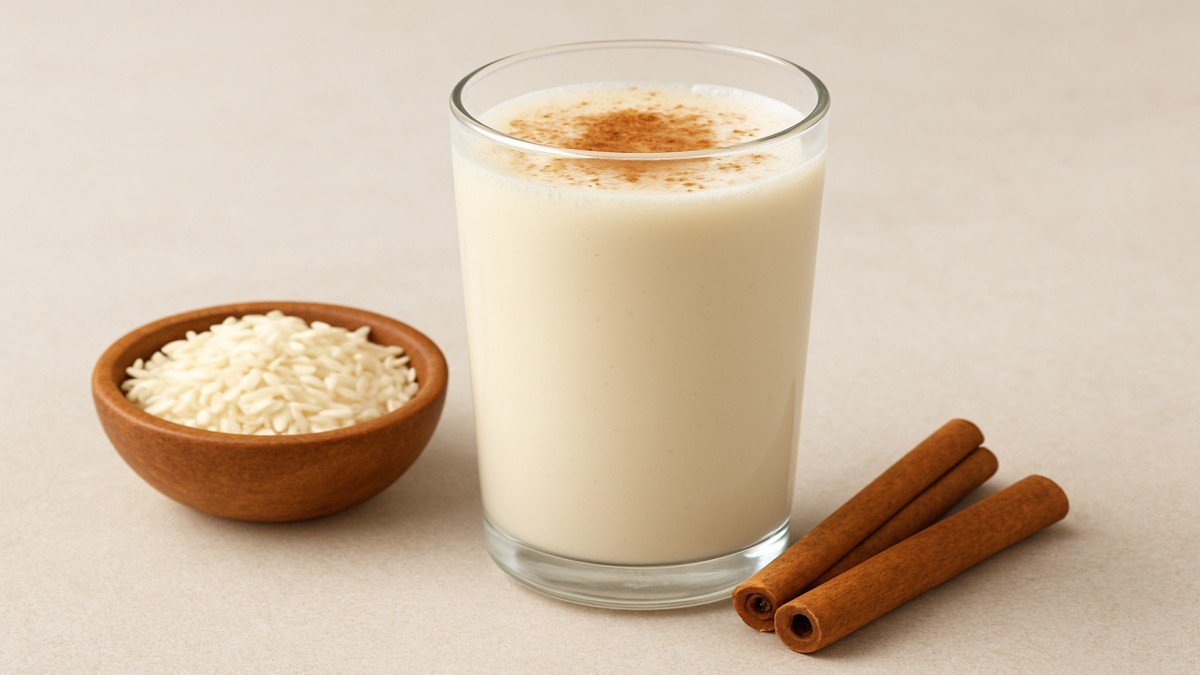
Perhaps the most famous version, Mexican horchata is made with white rice, cinnamon, sugar, and milk. It’s served cold and often paired with spicy Mexican dishes for a refreshing contrast.
Spanish Horchata de Chufa
Spain’s horchata de chufa is made from tiger nuts, a small tuber with a nutty flavor. It’s typically thicker than rice horchata and is enjoyed as a summer specialty.
Central American and Caribbean Variations
In places like El Salvador, Honduras, and Nicaragua, horchata can include seeds (like morro or sesame) and spices such as cocoa and vanilla. Each blend is a cultural reflection of local ingredients.
Ingredients Used in Horchata
The Core Ingredients
While recipes vary, traditional horchata often includes:
- Rice or tiger nuts
- Water or milk
- Sugar
- Cinnamon
- Vanilla extract
Optional Additions for Flavor
Some people add condensed milk, coconut milk, or almonds for richness. Others sprinkle nutmeg or blend in dates for a naturally sweet finish.
How to Make Horchata at Home
Step-by-Step Recipe
Here’s a simple homemade Mexican horchata recipe:
- Soak 1 cup of white rice with a cinnamon stick in 4 cups of water overnight.
- Blend the mixture until smooth.
- Strain through a fine mesh or cheesecloth.
- Add 2 cups of milk, ½ cup of sugar, and 1 teaspoon of vanilla extract.
- Stir well, chill, and serve over ice.
Tips for a Perfect Batch
- Always use cold water to preserve freshness.
- Don’t skip soaking — it softens the rice for a smoother texture.
- For creaminess, add a splash of evaporated milk or almond milk.
Nutritional Value of Horchata
Calories and Macros
A standard glass of horchata contains around 120–180 calories, depending on sugar and milk content. It’s naturally caffeine-free and gluten-free.
Health Benefits
While horchata is a treat, it can also offer benefits:
- Tiger nuts are high in fiber and antioxidants.
- Rice-based versions can be soothing for digestion.
- Cinnamon supports blood sugar balance.
Cultural Significance of Horchata
A Drink of Celebration
In Latin America, horchata is more than a beverage — it’s a symbol of hospitality. It’s served during family gatherings, street festivals, and Sunday meals.
Street Vendors and Family Recipes
In Mexico and Central America, street vendors known as aguas frescas sellers serve horchata in large glass containers, each family guarding its own unique recipe.
Why People Love Horchata
There’s something comforting about the creamy sweetness of horchata. It’s nostalgic, refreshing, and versatile perfect for both hot summer days and cozy winter treats.
Conclusion
Horchata isn’t just a drink — it’s a taste of tradition, culture, and comfort. From the tiger nuts of Spain to the rice of Mexico, every sip tells a story of adaptation and flavor. Whether you’re enjoying it on a sunny day or making it at home for friends, horchata remains a timeless favorite that connects people across the globe.
FAQs
1. Is horchata a dairy drink?
Not necessarily. Traditional horchata is water-based, though some versions add milk for extra creaminess.
2. Is horchata served hot or cold?
Horchata is best served cold, often over ice, especially in warm climates.
3. Can I make horchata without sugar?
Yes! Use honey, agave, or dates as natural sweeteners.
4. Does horchata contain caffeine?
No, horchata is completely caffeine-free, making it a great alternative to coffee or soda.
5. What does horchata taste like?
It’s sweet, creamy, and cinnamon-flavored, with a light nutty undertone — similar to rice pudding in liquid form.