




Introduction
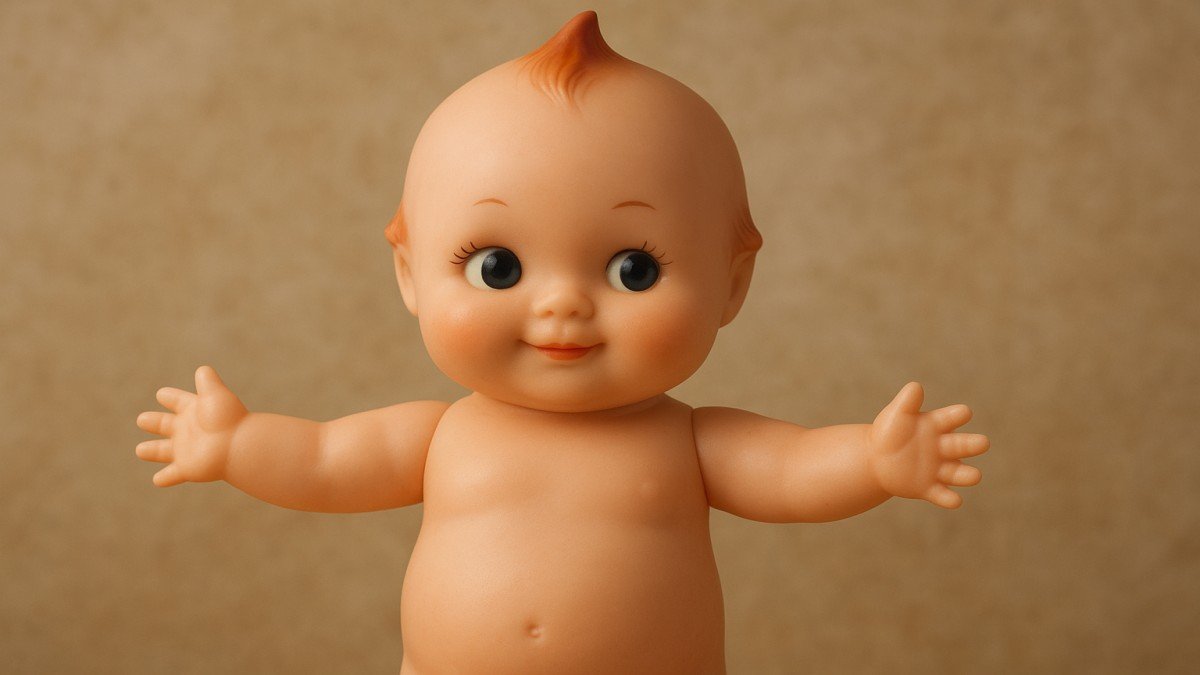
Kewpie Doll. If you’ve ever wandered through an antique store or scrolled vintage toy collections online, you’ve probably come across a wide-eyed, cherubic little figure with a tiny topknot and impish smile — the Kewpie Doll. More than just a toy, it’s a cultural relic, a mbol of innocence, humor, and nostalgia wrapped in a timeless design.
What Is a Kewpie Doll?
A Kewpie Doll is a small, baby-like figurine characterized by a round belly, chubby cheeks, tiny wings, and a distinctive curl of hair on top of its head. Originally designed to bring joy and laughter, these dolls have become icons of vintage Americana and collectibles worldwide.
The Origin Story of the Kewpie Doll
The Creator: Rose O’Neill
The Kewpie Doll was the brainchild of Rose O’Neill, an American illustrator, writer, and suffragist. In 1909, she introduced her whimsical “Kewpies” as cartoon characters in Ladies’ Home Journal, where they quickly captured readers’ hearts.
From Illustration to Icon
By 1912, these mischievous cherubs were transformed into bisque dolls, manufactured in Germany. Their popularity skyrocketed almost overnight, making them one of the first mass-marketed character toys in history.
The Early Popularity of Kewpie Dolls
The 1910s Craze
In the 1910s and 1920s, Kewpie Dolls were everywhere — from advertisements to department stores. They became prizes at fairs, gifts for children, and even symbols of good luck during World War I.
Kewpie in Advertisements and Culture
The doll’s image appeared on postcards, candy tins, and greeting cards. Kewpie was more than a toy; it was a marketing phenomenon — much like today’s pop culture mascots.
The Symbolism Behind the Kewpie Doll
Innocence and Mischief
Each Kewpie’s playful grin and twinkling eyes embody a mix of purity and mischief — a reminder that humor and kindness can coexist.
A Cultural Reflection of Early 20th-Century America
Kewpie’s charm reflected the optimism of a pre-war America — a simpler time when playfulness and positivity dominated the nation’s spirit.
The Evolution of Kewpie Dolls Over the Decades
From Bisque to Celluloid and Vinyl
Originally made of fragile bisque porcelain, later models were produced using celluloid, and by the mid-century, vinyl became the norm, ensuring more durability for play.
The 1950s Revival
During the 1950s, Kewpie Dolls made a major comeback. Television and the rise of collectible culture revived interest, making them staples in homes again.
Collecting Kewpie Dolls
Why Collectors Love Them
Collectors adore Kewpies not just for their historical value, but for their emotional appeal — they evoke childhood memories and the artistry of early toy-making.
Tips for Identifying Authentic Pieces
- Material: Original bisque versions feel cool and slightly grainy.
- Markings: Look for stamps such as “Germany” or “Rose O’Neill.”
- Condition: Original paint, intact wings, and non-reproduction molds boost value.
Price and Value in Today’s Market
Depending on age and material, genuine Kewpies can fetch anywhere between $50 to $5,000 — a testament to their enduring charm.
Kewpie Dolls in Popular Media
Cartoons and Commercials
From comic strips to animated shorts, the Kewpie’s design influenced generations of illustrators and advertisers. Its joyful look inspired mascots in food and toy industries alike.
Appearances in Art and Fashion
Modern artists and designers — from pop surrealists to couture fashion houses — often reinterpret the Kewpie’s aesthetic in bold, playful ways.
The Japanese Kewpie Brand and Its Evolution
From Doll to Mayonnaise Mascot
In Japan, Kewpie found new life through Kewpie Corporation, known for its famous mayonnaise. Their logo, based on O’Neill’s design, is instantly recognizable worldwide.
How Japan Reimagined Kewpie
The Japanese embraced Kewpie not as a vintage relic but as a symbol of cuteness and quality, blending Western nostalgia with Eastern “kawaii” culture.
Conclusion
The Kewpie Doll is more than just a collectible — it’s a cultural icon that has withstood over a century of changing trends. From Rose O’Neill’s creative vision to Japan’s modern reinterpretation, Kewpie continues to charm hearts worldwide. Its story is one of imagination, resilience, and the timeless appeal of innocence wrapped in a mischievous grin.
FAQs
1. Who created the Kewpie Doll?
Rose O’Neill, an American illustrator and writer, created the Kewpie in 1909.
2. How old is the oldest Kewpie Doll?
The first physical dolls were made in 1912, making original bisque Kewpies over 110 years old.
3. Are Kewpie Dolls valuable?
Yes — depending on age, condition, and rarity, they can range from a few dollars to several thousand.
4. What material are Kewpie Dolls made of?
Early versions were bisque porcelain; later ones were made of celluloid, composition, or vinyl.
5. Why is there a Kewpie on Japanese mayonnaise bottles?
Japan’s Kewpie Corporation adopted the doll as a mascot, symbolizing purity and trust since the 1920s.