




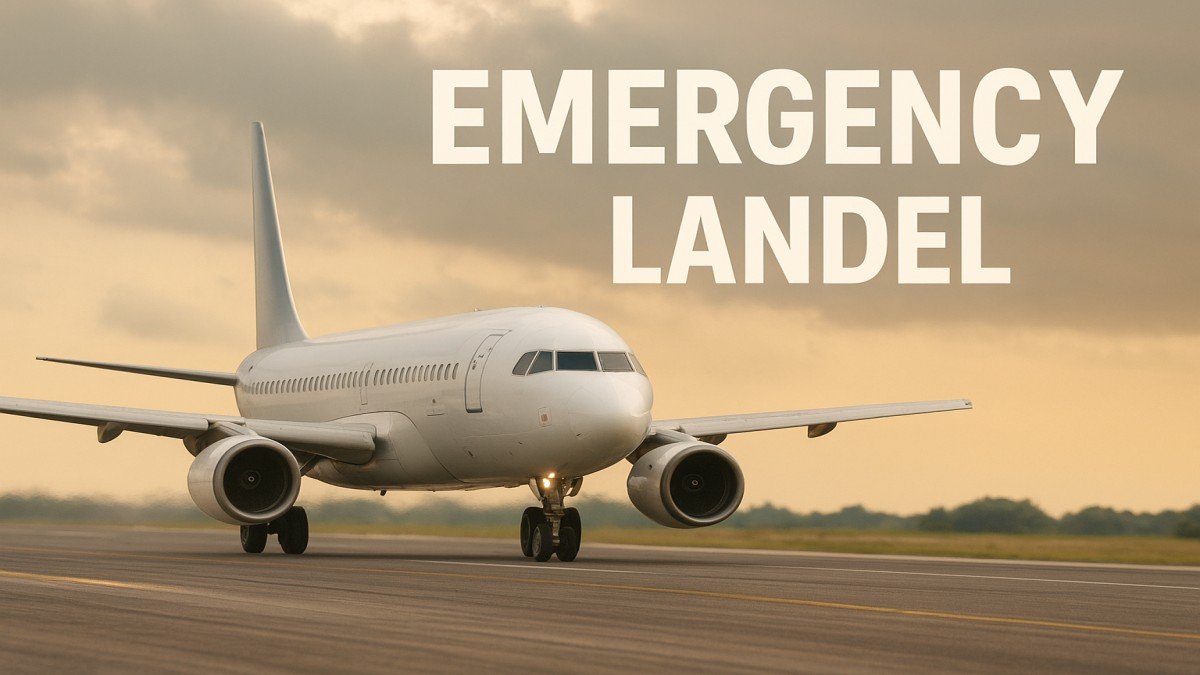
When it comes to aviation, few situations sound as alarming as an emergency landing. Yet, despite how it might seem, emergency landings are often controlled, calculated, and successful operations performed by skilled pilots. Let’s dive deep into what emergency landings are, why they happen, and how aviation professionals ensure passenger safety even in unexpected situations.
What Is an Emergency Landing?
An emergency landing is any unplanned landing made by an aircraft due to unforeseen circumstances that make it unsafe or impossible to continue to the intended destination. The primary goal of an emergency landing is to protect the passengers, crew, and aircraft.
There are several types of emergency landings, ranging from technical issues to medical emergencies and weather complications. Despite the term “emergency,” most of these landings are handled calmly and efficiently.
Types of Emergency Landings
1. Precautionary Landing
A precautionary landing occurs when pilots suspect a problem that could worsen if they continue flying. It’s not an immediate danger, but safety protocols require landing as a preventive measure — for instance, if a warning light comes on or if visibility drops.
2. Forced Landing
A forced landing happens when an aircraft must land immediately due to an emergency, such as engine failure, bird strikes, or fire. In these cases, the pilot identifies the safest available landing area — whether that’s a runway, road, or open field.
3. Ditching
Ditching is a rare type of emergency landing where the pilot lands the aircraft on water. While challenging, modern training and aircraft design make it possible for passengers to survive with minimal injury, as seen in the famous “Miracle on the Hudson” in 2009.
Common Causes of Emergency Landings
Several factors can lead to an emergency landing. Here are the most common ones:
1. Engine or Mechanical Failure
Mechanical malfunctions are among the leading causes of emergency landings. Modern airplanes have multiple redundant systems, but if an engine fails or a critical system malfunctions, pilots follow strict procedures to ensure a safe landing.
2. Medical Emergencies
If a passenger or crew member experiences a severe medical issue — such as a heart attack or stroke — the pilot may divert the flight to the nearest suitable airport for immediate medical attention.
3. Smoke or Fire Onboard
Smoke or fire is a serious situation. Pilots immediately identify the source, use onboard fire suppression systems, and land as soon as possible.
4. Bird Strikes
Birds can collide with engines or the aircraft’s windshield, causing damage. While most bird strikes are minor, significant impacts may force pilots to perform an emergency landing.
5. Severe Weather Conditions
Extreme turbulence, lightning, or strong winds can cause instability or damage. Pilots may land early to ensure safety if conditions worsen mid-flight.
How Pilots Handle an Emergency Landing
Pilots are extensively trained to handle emergencies calmly and professionally. Here’s what typically happens during such situations:
- Assessing the Situation – Pilots analyze warning indicators and determine whether an immediate landing is necessary.
- Communicating with Air Traffic Control (ATC) – They declare an emergency using standard terminology like “Mayday” or “Pan-Pan.”
- Choosing a Landing Site – ATC helps pilots locate the nearest suitable airport or clear area for landing.
- Following Emergency Checklists – Pilots follow step-by-step protocols to manage the issue.
- Preparing Passengers – Cabin crew instruct passengers on emergency procedures, including brace positions and evacuation routes.
- Executing the Landing – Pilots bring the aircraft down as safely as possible, focusing on minimizing speed and ensuring control.
Conclusion
An emergency landing might sound terrifying, but in reality, it’s a testament to the training, technology, and teamwork that define modern aviation. Pilots, crew members, and engineers are prepared for every possible scenario — ensuring that even when things go wrong, everyone comes home safely.
So, the next time you board a flight, remember: safety isn’t just a priority in aviation — it’s a science perfected over decades of experience.
FAQs
1. Are emergency landings common?
No, emergency landings are rare. Modern aircraft are built with multiple safety systems that minimize the need for them.
2. What do pilots say during an emergency landing?
They use standard distress calls like “Mayday” for serious emergencies and “Pan-Pan” for less severe ones.
3. Can a plane land without engines?
Yes. Pilots are trained to glide aircraft safely to the ground even after total engine failure.
4. What should passengers do during an emergency landing?
Stay calm, follow crew instructions, assume the brace position, and evacuate quickly when directed.
5. Has anyone survived a water landing?
Yes. Many have survived, including all 155 passengers from the “Miracle on the Hudson” water landing.