




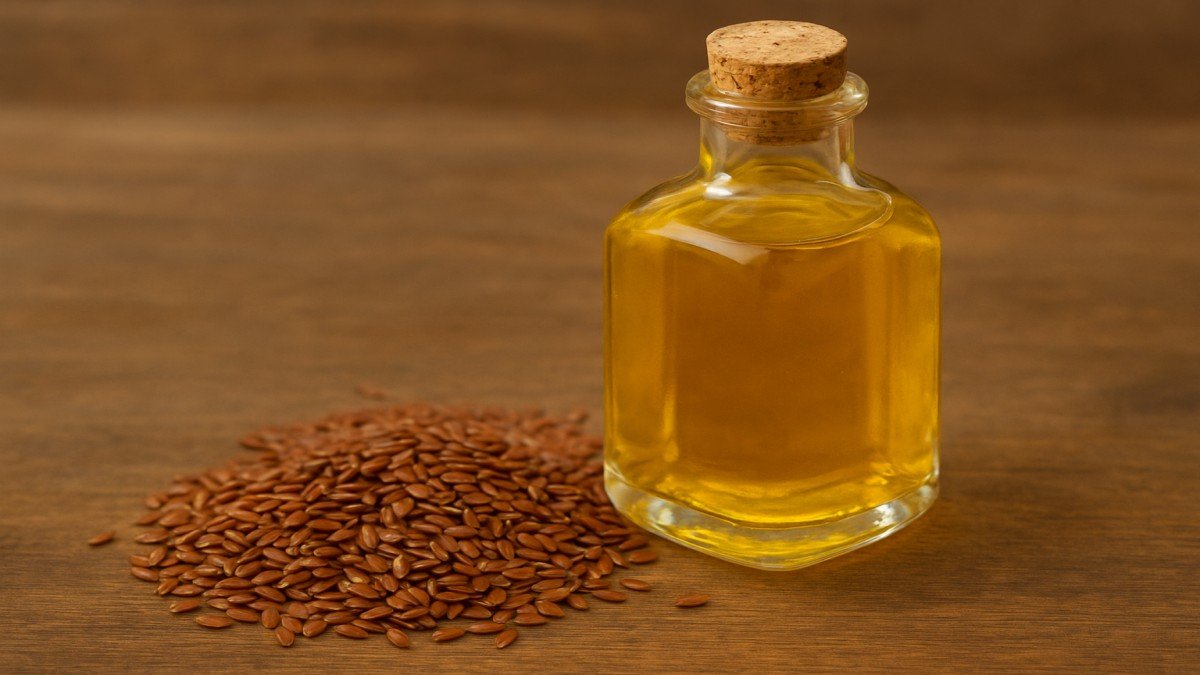
When it comes to natural oils with countless benefits, linseed oil — also known as flaxseed oil — stands out as one of the most versatile and valuable. Extracted from the dried, ripened seeds of the flax plant (Linum usitatissimum), linseed oil has been cherished for centuries for its remarkable health benefits, industrial applications, and use in art and wood finishing. Whether you’re a painter, a health enthusiast, or a DIY home improvement lover, linseed oil has something for everyone.
What Is Linseed Oil?
Linseed oil is a natural oil obtained by pressing flax seeds. Depending on how it’s processed, it can be used for different purposes. Cold-pressed linseed oil is commonly used as a dietary supplement, while boiled linseed oil and polymerized linseed oil are used in woodworking, painting, and as protective finishes.
The oil is rich in omega-3 fatty acids, alpha-linolenic acid (ALA), and vitamin E, giving it excellent nutritional and preservative properties
Types of Linseed Oil
Not all linseed oil is the same. Its applications depend on how it’s processed:
1. Raw Linseed Oil
Raw linseed oil is pure and untreated. It takes a long time to dry but is ideal for deep-penetrating finishes on wood, protecting it from water and wear.
2. Boiled Linseed Oil
Boiled linseed oil is not actually boiled — it’s treated with drying agents that make it cure faster. It’s a favorite among woodworkers and artists for its glossy, protective finish.
3. Stand Oil (Polymerized Linseed Oil)
This version is thickened through heat and pressure without oxygen exposure. Stand oil dries slowly and forms a smooth, flexible, and durable film, making it ideal for oil painting.
4. Cold-Pressed Linseed Oil
Used primarily for dietary and cosmetic purposes, cold-pressed linseed oil is made without heat, preserving its nutrients and purity.
Nutritional Benefits of Linseed Oil
1. Rich in Omega-3 Fatty Acids
Linseed oil is one of the best plant-based sources of alpha-linolenic acid (ALA), an essential omega-3 fatty acid that supports heart health, reduces inflammation, and aids brain function.
2. Supports Heart Health
Regular consumption of linseed oil helps lower cholesterol levels, reduce blood pressure, and improve arterial function — all crucial for maintaining cardiovascular health.
3. Promotes Skin Health
Linseed oil nourishes the skin, reducing dryness, irritation, and eczema. Its anti-inflammatory properties make it popular in natural skincare routines.
4. Boosts Digestion
The oil helps improve bowel movement and relieves constipation due to its mild laxative effect.
5. Supports Weight Management
Its high omega-3 content helps regulate metabolism and may reduce appetite, supporting healthy weight management.
How to Use Linseed Oil for Health
Linseed oil is easy to incorporate into your diet:
- As a supplement: Take 1–2 tablespoons daily.
- In smoothies or salads: Drizzle it over salads or mix it into smoothies (avoid cooking, as heat destroys its nutrients).
- For skincare: Apply it directly to the skin or mix it with carrier oils like coconut oil for hydration.
⚠️ Important: Linseed oil should never be used for frying or high-heat cooking, as it breaks down and loses its nutritional benefits.
Linseed Oil in Art and Painting
Artists have used linseed oil for centuries as a binding medium in oil paints. It enhances the flow and gloss of paint, increases durability, and gives artwork a luminous finish.
Conclusion
From health and wellness to art and craftsmanship, linseed oil remains one of nature’s most multifunctional gifts. Whether you’re seeking a natural supplement to improve your well-being, a medium for painting, or a protective wood finish, linseed oil delivers reliability and purity rooted in centuries of tradition.
So next time you reach for this golden liquid, remember — you’re tapping into a timeless natural remedy and artistic essential that continues to stand the test of time.
FAQs
1. Can linseed oil be consumed daily?
Yes, cold-pressed linseed oil can be taken daily in small amounts (1–2 tablespoons), but always store it properly to avoid spoilage.
2. Is linseed oil good for hair?
Absolutely! Its omega-3 fatty acids help strengthen hair follicles, reduce dryness, and promote shine.
3. How long does linseed oil take to dry on wood?
Raw linseed oil may take up to 3 days per coat, while boiled linseed oil dries in 12–24 hours.
4. Can linseed oil go bad?
Yes. Exposure to air and heat can make it rancid. Always store it in a cool, dark place with the lid tightly sealed.
5. Is linseed oil eco-friendly?
Completely! It’s biodegradable, non-toxic, and made from renewable plant sources.