



Introduction
Oxygen Mask. Have you ever wondered how people breathe during medical emergencies or while flying high above the clouds? The answer lies in a simple yet powerful invention the oxygen mask. This essential device plays a crucial role in saving lives by delivering oxygen directly to those who need it most.
What Is an Oxygen Mask?
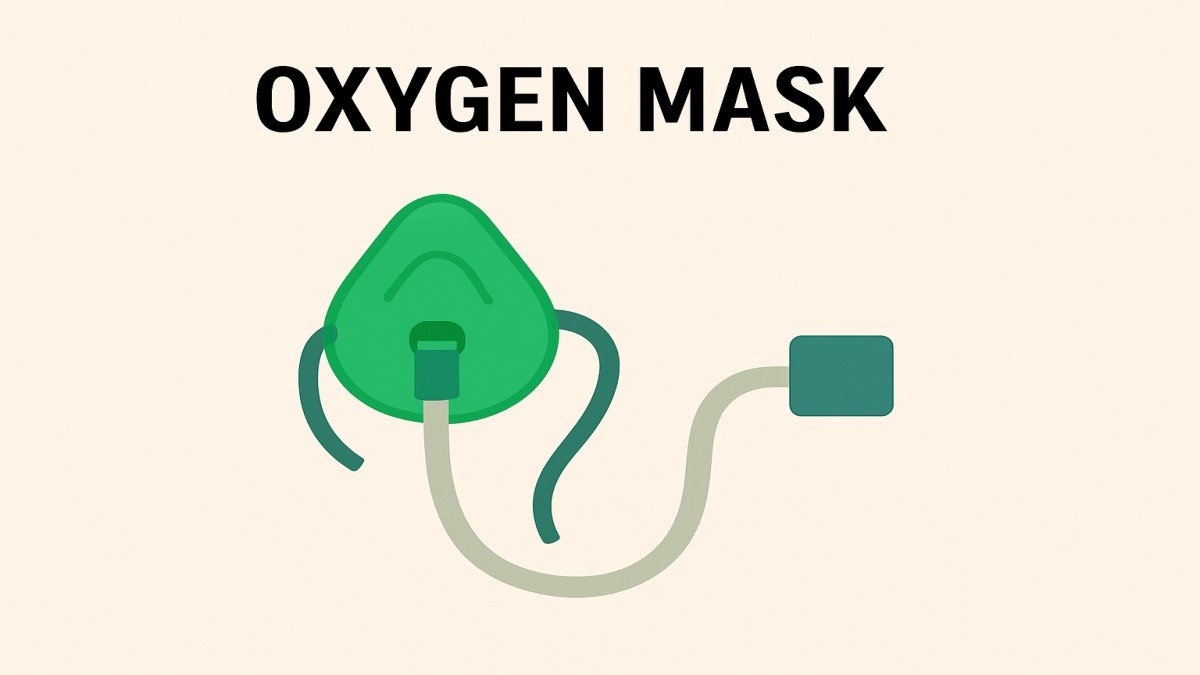
An oxygen mask is a medical or aviation device designed to transfer oxygen from a storage tank to the lungs. It covers the nose and mouth (and sometimes the entire face) to ensure a continuous and efficient flow of oxygen to the user.
The Purpose of an Oxygen Mask
The main goal of an oxygen mask is to provide supplemental oxygen when a person’s natural breathing is not enough to meet the body’s oxygen needs. This can happen due to illness, injury, or environmental conditions such as high altitude.
How Oxygen Masks Work
a. Oxygen Delivery System
An oxygen mask connects to a cylinder or an oxygen concentrator. When turned on, oxygen flows through tubing into the mask and directly into the user’s airways.
b. Regulation of Oxygen Flow
The flow rate (measured in liters per minute) can be adjusted according to the patient’s needs. Higher flow rates are used in emergencies, while lower ones are suitable for continuous therapy.
Types of Oxygen Masks
a. Simple Face Mask
Delivers moderate oxygen levels and is used for short-term therapy.
b. Non-Rebreather Mask
Equipped with a one-way valve and a reservoir bag, it provides a high concentration of oxygen — often up to 90%.
c. Venturi Mask
Used for precise oxygen delivery, especially for patients with chronic respiratory diseases.
d. Nasal Cannula
A lightweight option that fits into the nostrils, offering low to moderate oxygen flow.
e. Aviator Oxygen Mask
Used by pilots and flight crew, it ensures oxygen supply during high-altitude operations or cabin depressurization.
Materials Used in Oxygen Masks
Oxygen masks are typically made from silicone, rubber, or medical-grade PVC. These materials are chosen for comfort, flexibility, and safety. Transparent designs allow medical personnel to monitor the user’s breathing and condition easily.
Medical Applications of Oxygen Masks
a. Emergency Rooms and ICUs
In hospitals, oxygen masks are lifesaving devices for patients experiencing breathing difficulties, cardiac arrest, or trauma.
b. Home Oxygen Therapy
Individuals with conditions like COPD, asthma, or sleep apnea often use oxygen masks connected to home oxygen concentrators.
c. Surgical Procedures
Anesthesiologists use specialized oxygen masks to deliver anesthesia gases mixed with oxygen during surgery.
Use of Oxygen Masks in Aviation
a. Cabin Pressure and Hypoxia Prevention
Airplane cabins are pressurized, but in case of a failure, oxygen masks automatically deploy to prevent hypoxia — a dangerous lack of oxygen.
b. Pilot Oxygen Masks
Pilots wear masks connected to oxygen systems for high-altitude flying, ensuring constant alertness and safety.
c. Passenger Safety Masks
Commercial aircraft are equipped with drop-down oxygen masks for passengers, ensuring survival until the plane descends to a breathable altitude.
Oxygen Masks in Space Missions
Astronauts rely on oxygen masks integrated into their helmets. These systems deliver oxygen and remove carbon dioxide, making breathing possible in the vacuum of space.
How to Properly Use an Oxygen Mask
a. Fitting the Mask
Ensure the mask covers both the nose and mouth snugly, with no air leaks.
b. Adjusting the Flow Rate
Set the oxygen flow as prescribed by a healthcare provider.
c. Safety Precautions
Avoid using oxygen near open flames or smoking areas, as oxygen supports combustion.
Maintenance and Hygiene
Oxygen masks should be cleaned regularly to prevent infections. Disposable masks are for single use, while reusable ones require disinfecting with warm, soapy water and proper drying.
Conclusion
The oxygen mask may look simple, but it’s a marvel of medical and engineering design. Whether saving lives in hospitals, helping pilots breathe at 35,000 feet, or supporting astronauts in space, oxygen masks are a symbol of safety and survival.
Understanding how they work and when to use them can make all the difference in emergencies — because every breath truly counts.
FAQs
1. What is the main purpose of an oxygen mask?
To deliver supplemental oxygen to people who can’t get enough from normal breathing.
2. Can oxygen masks be reused?
Yes, reusable masks can be cleaned and disinfected, but disposable masks are for one-time use only.
3. Why do airplane oxygen masks drop automatically?
They deploy when cabin pressure drops to prevent passengers from suffering hypoxia.
4. How long does an aircraft oxygen mask supply last?
Usually about 12–20 minutes, enough time for the plane to descend to a safe altitude.
5. Is it safe to sleep with an oxygen mask?
Yes, if prescribed by a doctor, especially for patients with sleep apnea or chronic respiratory issues.