



Introduction
Cassava leaves are one of the most underappreciated superfoods in the world. While many people are familiar with cassava roots—used to make tapioca and other starch-based foods—few realize that the green leaves of the plant are equally nutritious and beneficial. These leaves are consumed across Africa, Asia, and parts of South America, offering a rich source of vitamins, minerals, and plant-based protein.
What Are Cassava Leaves?
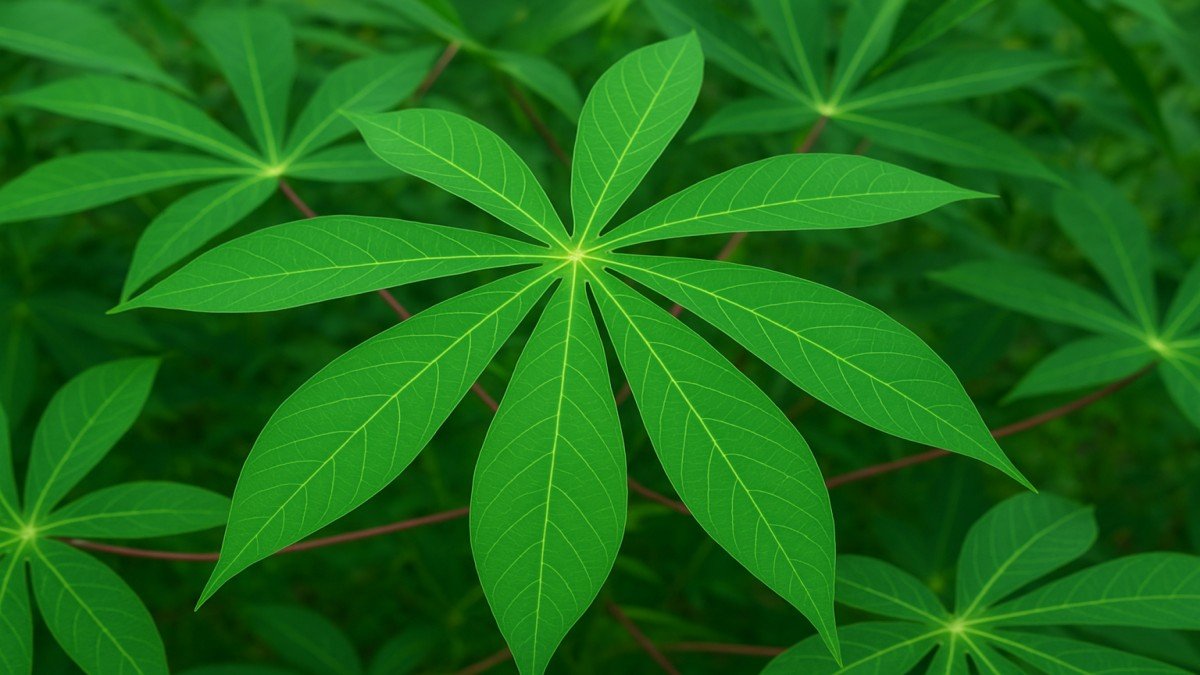
Cassava leaves come from the Manihot esculenta plant, commonly known as cassava or yuca. The plant is a staple crop in tropical and subtropical regions. The leaves are green, broad, and palm-shaped, typically harvested when the plant is about 3 to 4 months old.
Origin and History of Cassava Leaves
Cassava originated in South America, particularly in Brazil and Paraguay, where indigenous tribes cultivated it thousands of years ago. The Portuguese and Spanish explorers later introduced cassava to Africa and Asia. Over time, communities discovered that not only the root but also the leaves could be used as a valuable food source—especially during food shortages.
Nutritional Profile of Cassava Leaves
Cassava leaves are often called “the green gold” because of their incredible nutritional value.
Vitamins and Minerals
They are rich in vitamin C, vitamin A, calcium, potassium, and iron. Vitamin C supports immune function, while iron and calcium help maintain strong bones and blood health.
Protein Content
Cassava leaves contain around 20–25% protein when dried—making them one of the richest sources of plant-based protein in tropical regions.
Fiber and Antioxidants
High in dietary fiber, cassava leaves aid digestion and promote gut health. They also contain antioxidants like polyphenols, which help combat free radicals and prevent cellular damage.
Health Benefits of Cassava Leaves
Boosting Immunity
Thanks to their vitamin C content, cassava leaves strengthen the immune system and help the body resist infections.
Supporting Digestion
The fiber in cassava leaves enhances digestion and prevents constipation, while also promoting a healthy gut microbiome.
Promoting Healthy Skin
Vitamin A and antioxidants in cassava leaves contribute to glowing, youthful skin by protecting against oxidative stress.
Managing Blood Pressure
Cassava leaves are a good source of potassium, which helps balance sodium levels and regulates blood pressure.
Potential Risks and Toxicity
Despite their nutritional value, cassava leaves must be handled carefully.
Cyanide Compounds in Raw Leaves
Raw cassava leaves contain cyanogenic glycosides, which can release toxic hydrogen cyanide if consumed uncooked. High levels of cyanide can be dangerous and even fatal.
Proper Preparation Techniques
To ensure safety, cassava leaves must always be boiled, fermented, or dried before consumption. These methods neutralize the toxic compounds effectively.
How to Cook Cassava Leaves Safely
Boiling and Fermenting
Boiling cassava leaves for at least 30 minutes or fermenting them overnight removes most of the cyanide compounds, making them safe to eat.
Traditional Cooking Methods
In African cuisine, cassava leaves are often pounded or blended into a paste, then cooked with palm oil, onions, and fish or meat for a rich, flavorful dish.
Cassava Leaves in African Cuisine
Cassava leaves are a beloved ingredient across Central and West Africa.
Saka-Saka (Congo)
A popular Congolese dish made from boiled cassava leaves, palm oil, and smoked fish, often served with rice or fufu.
Palaver Sauce (West Africa)
In Sierra Leone and Liberia, cassava leaves are simmered with peanut butter, meat, and spices to create a creamy stew called palaver sauce.
Matapa (Mozambique)
Matapa combines cassava leaves with peanuts, coconut milk, and shrimp—a flavorful and hearty meal.
Cassava Leaves in Asian Cuisine
In Indonesia and the Philippines, cassava leaves are also used in traditional cooking. Indonesians prepare them in coconut milk-based dishes, while Filipinos use them in stews and soups, combining them with chili and fish sauce.
Conclusion
Cassava leaves are a hidden gem in the world of nutrition. Packed with protein, vitamins, and antioxidants, they serve as a powerhouse of health and sustainability. When prepared safely, they’re not just a traditional food but also a modern-day superfood worth exploring in your diet.
FAQs
1. Are cassava leaves safe to eat raw?
No, raw cassava leaves contain cyanide compounds and must be cooked thoroughly before eating.
2. What do cassava leaves taste like?
They have a slightly bitter, earthy flavor, similar to spinach or kale.
3. Can cassava leaves be used for weight loss?
Yes, their high fiber content helps promote fullness and supports healthy digestion, which can aid weight management.
4. How long should cassava leaves be cooked?
Boiling them for at least 30–40 minutes is recommended to remove toxins.
5. Are cassava leaves gluten-free?
Yes, cassava leaves are naturally gluten-free, making them suitable for people with gluten intolerance or celiac disease.