




Introduction
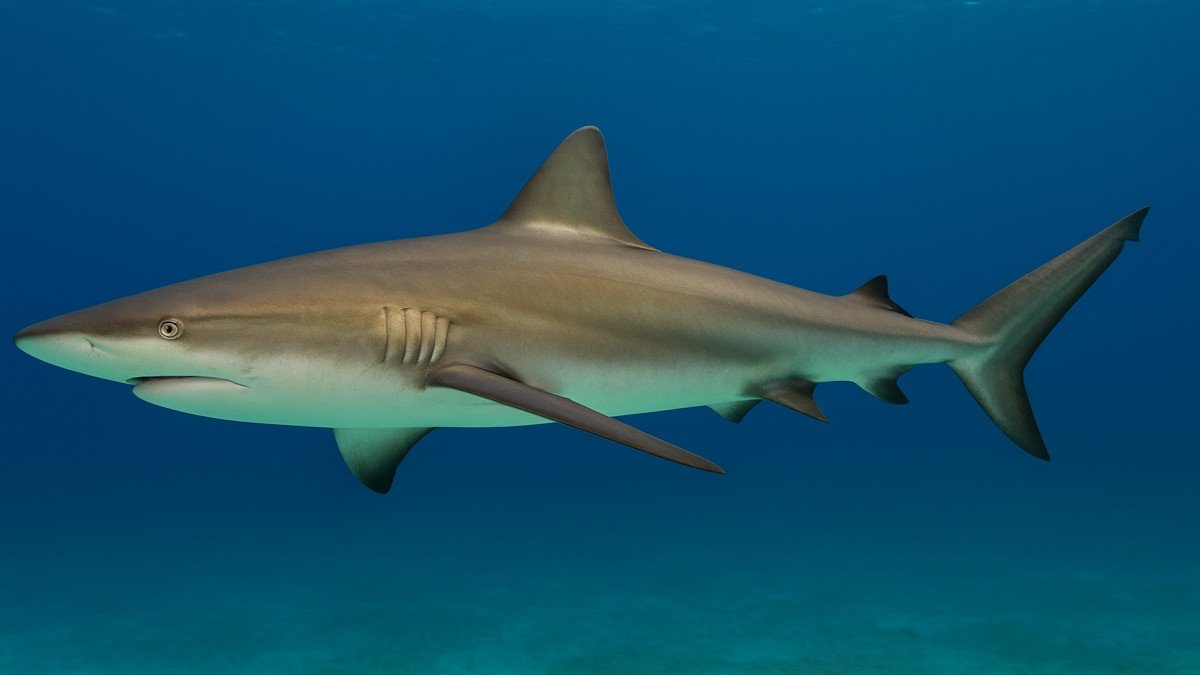
The Bronze Whaler Shark, also known as the Copper Shark, is one of the ocean’s most fascinating yet misunderstood predators. With its sleek bronze-colored body and powerful build, this shark glides through the seas with grace and dominance. Despite its intimidating appearance, it’s an essential part of the marine ecosystem, maintaining balance beneath the waves.
Let’s dive into the mysterious world of the Bronze Whaler a creature that’s as beautiful as it is formidable.
What Is a Bronze Whaler Shark?
The Bronze Whaler (scientific name Carcharhinus brachyurus) belongs to the requiem shark family. It’s a large, active species commonly found in warm and temperate waters across the globe. Known for its coppery sheen and streamlined shape, it’s often sighted near coastal areas and continental shelves.
Although it looks fierce, the Bronze Whaler is not typically aggressive toward humans unless provoked or when food is involved.
Scientific Classification
- Kingdom: Animalia
- Phylum: Chordata
- Class: Chondrichthyes
- Order: Carcharhiniformes
- Family: Carcharhinidae
- Genus: Carcharhinus
- Species: C. brachyurus
Physical Description
Size and Weight
Adult Bronze Whalers can grow up to 3.3 meters (11 feet) in length and weigh around 300 kilograms (660 pounds). Females are generally larger than males — a common trait in many shark species.
Color and Distinguishing Features
The shark gets its name from its metallic bronze or copper tint on the upper body, which fades to a lighter white or cream underbelly. Its pointed snout, large pectoral fins, and long tail make it a strong and agile swimmer. One of its most noticeable features is its lack of an interdorsal ridge (a small ridge found between the two dorsal fins), helping to distinguish it from similar species.
Habitat and Distribution
Bronze Whalers inhabit temperate and subtropical waters around the world. They are commonly found off the coasts of:
- South Africa
- New Zealand
- Australia
- Argentina
- Japan
- The Mediterranean
They prefer coastal areas, continental shelves, and bays, often venturing close to shore, especially during the warmer months. These sharks are known to follow schools of fish into shallower waters.
Behavior and Social Structure
Solitary vs. Group Behavior
While Bronze Whalers are often solitary hunters, they can also form large groups, especially during feeding frenzies or seasonal migrations. They have been observed swimming alongside other shark species, such as dusky and blacktip sharks.
Migration Patterns
These sharks are highly migratory. They travel long distances in response to changes in water temperature and prey availability. For instance, in South Africa and New Zealand, Bronze Whalers migrate seasonally to warmer waters to breed.
Diet and Feeding Habits
Bronze Whalers are opportunistic predators, feeding mainly on:
- Schooling fish (like sardines, mackerel, and herring)
- Squid and octopus
- Occasionally, smaller sharks and rays
They are known for feeding frenzies, where large groups of sharks attack dense schools of fish, creating a spectacular (and chaotic) display of marine power.
Their sharp, triangular teeth allow them to tear through flesh efficiently, while their keen sense of smell helps them detect prey from miles away.
Reproduction and Life Cycle
The Bronze Whaler is viviparous, meaning it gives birth to live young rather than laying eggs.
- Gestation period: Around 12 months
- Litter size: Typically 7–20 pups
- Birth size: Pups measure about 60–70 cm (2 feet) at birth
Females usually give birth in shallow coastal nurseries, where the young can grow safely away from larger predators.
Conclusion
The Bronze Whaler Shark is a magnificent example of nature’s balance between strength and beauty. Its sleek design, powerful hunting skills, and essential ecological role make it a true ocean marvel. While often misunderstood, these sharks remind us of the importance of preserving marine life and respecting the natural world.
Next time you think of sharks, remember the Bronze Whaler — not as a monster of the deep, but as a guardian of the sea.
FAQs
1. Is the Bronze Whaler dangerous to humans?
Not usually. They are cautious and only aggressive if provoked or when food is nearby.
2. How big do Bronze Whalers get?
They can grow up to 3.3 meters (11 feet) and weigh around 300 kg.
3. What do Bronze Whalers eat?
They primarily feed on schooling fish, squid, and occasionally smaller sharks.
4. Where can Bronze Whalers be found?
They are found in temperate and subtropical waters worldwide, especially near coasts.
5. Are Bronze Whalers protected?
Yes, in several regions they are protected under fishing and conservation laws due to declining populations.