



Introduction
Soil is the foundation of agriculture and gardening — it’s where life begins for plants. Among all soil types, sandy loam stands out as a gardener’s favorite. Known for its excellent drainage, good aeration, and workable texture, sandy loam is often referred to as the “gold standard” of garden soils.
Whether you’re growing vegetables, trees, or flowers, understanding sandy loam can help you maximize plant health and yield. Let’s explore what makes this soil so special.
What Is Sandy Loam Soil?
Sandy loam is a balanced mixture of sand, silt, and clay, with sand being the dominant component. It’s gritty to the touch but also contains enough organic matter and fine particles to retain moisture and nutrients effectively.
In simpler terms, sandy loam offers the best of both worlds — the drainage of sandy soil and the fertility of loamy soil. This balance makes it ideal for a wide variety of crops and ornamental plants.
Composition of Sandy Loam
The approximate composition of sandy loam is:
- Sand: 60–70%
- Silt: 10–20%
- Clay: 10–20%
This mix gives the soil a crumbly structure, allowing roots to penetrate easily while maintaining enough moisture to sustain growth. Adding organic matter such as compost or manure further improves its texture and fertility.
How to Identify Sandy Loam Soil
Here’s how you can identify sandy loam at home:
- Texture Test: Rub a small amount of moist soil between your fingers. Sandy loam feels gritty but smooth enough to hold together when squeezed.
- Jar Test: Mix soil with water in a jar and let it settle. The sandy layer will form at the bottom, with silt and clay settling above it.
- Drainage Observation: Water seeps quickly through sandy loam, unlike clay soils where water tends to pool.
These simple tests can confirm whether your soil has the characteristics of true sandy loam.
Formation and Natural Occurrence
Sandy loam forms naturally through the weathering of rocks like granite, quartz, and sandstone. Over time, wind and water break these rocks down into fine mineral particles, mixing with organic matter from plants and animals.
This type of soil is common in river valleys, coastal plains, and semi-arid regions, where there’s moderate rainfall and good drainage. Its distribution makes it a crucial resource for agriculture and horticulture worldwide.
Physical Properties of Sandy Loam
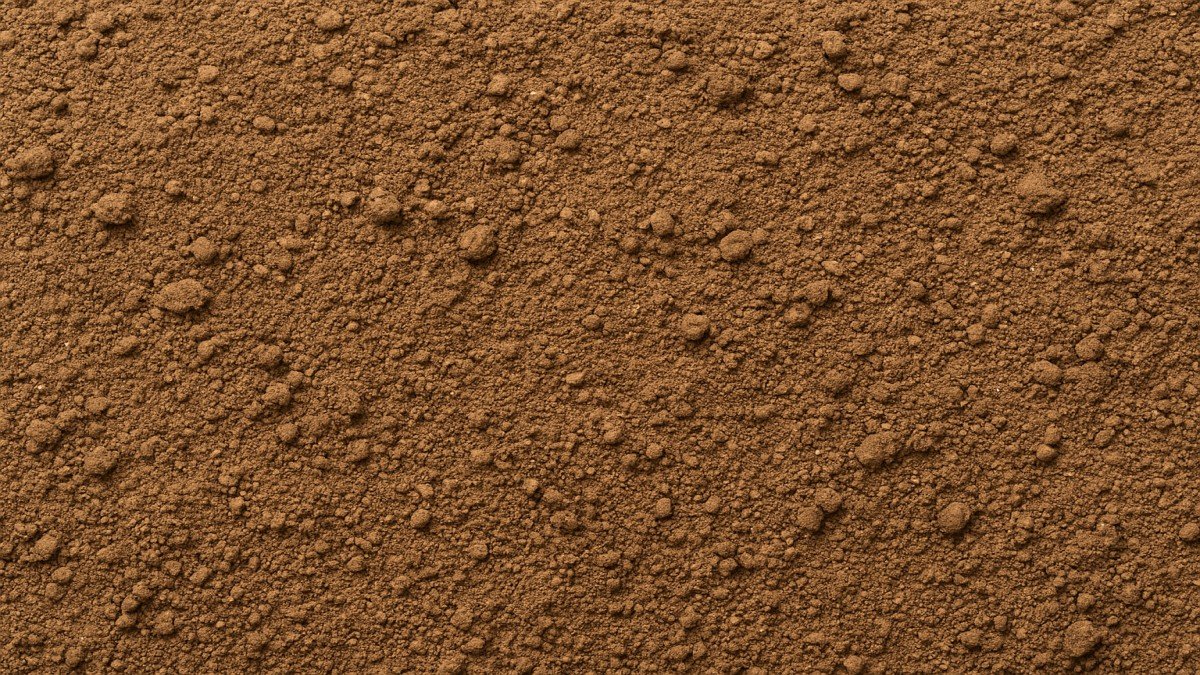
- Color: Usually light brown or yellowish due to mineral content.
- Texture: Loose and crumbly, easy to till.
- Drainage: Excellent — prevents waterlogging.
- Aeration: High, promoting root respiration.
- Temperature: Warms up quickly in spring, ideal for early planting.
These physical traits make sandy loam both versatile and user-friendly, especially for small-scale farmers and gardeners.
Chemical Properties of Sandy Loam
While sandy loam has great structure, its chemical fertility depends on organic content. It typically:
- Has a pH range between 6.0 and 7.5 (slightly acidic to neutral).
- Contains moderate cation exchange capacity (CEC), meaning it can hold essential nutrients but not as strongly as clay soils.
- Requires regular nutrient replenishment, especially nitrogen and potassium, to maintain fertility.
Adding compost, mulch, or biochar enhances its nutrient-holding ability and improves long-term productivity.
Conclusion
Sandy loam is more than just good soil — it’s a perfect balance of texture, structure, and fertility. Its natural drainage, aeration, and warmth make it ideal for both professional farmers and home gardeners.
While it requires careful water and nutrient management, its versatility and resilience make it one of the most valuable soil types on Earth. Whether you’re cultivating vegetables, fruit trees, or ornamental plants, sandy loam provides a strong foundation for healthy, sustainable growth.
FAQs
1. What is the ideal pH range for sandy loam soil?
Between 6.0 and 7.5, which suits most crops.
2. Can sandy loam retain water well?
It retains moderate moisture but may need frequent watering during dry periods.
3. How can I improve the fertility of sandy loam soil?
Add organic compost, mulch, and cover crops to boost nutrient levels and moisture retention.
4. Is sandy loam good for potted plants?
Yes, when mixed with organic matter and perlite for structure.
5. Which crops grow best in sandy loam soil?
Root vegetables, grains, citrus fruits, and ornamental plants thrive in sandy loam due to its excellent drainage.