


Introduction
If you’ve ever savored a chewy mochi, soft rice cake, or sticky dumpling, you’ve already experienced the magic of glutinous rice flour. Despite its name, it’s completely gluten-free—a common misconception that often confuses many. This unique flour, made from sticky or sweet rice, has a distinct texture and versatility that makes it a staple in many Asian kitchens. Let’s dive deep into what glutinous rice flour is, its uses, health benefits, and how it’s different from regular rice flour.
What Is Glutinous Rice Flour?
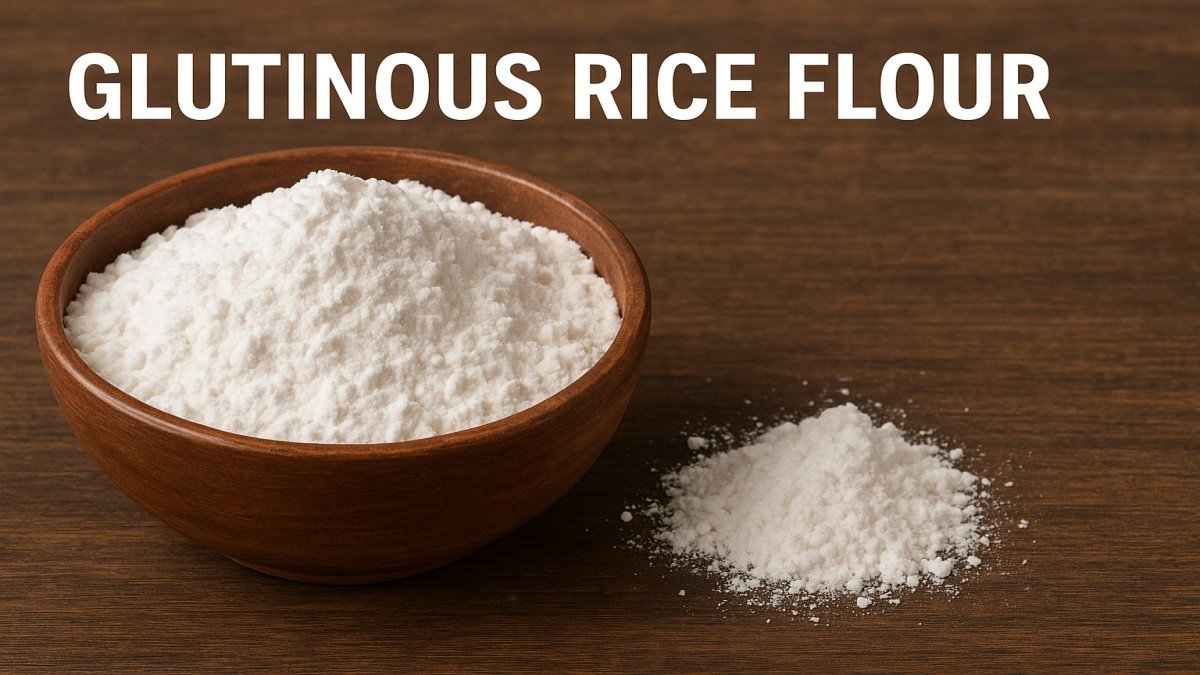
Glutinous rice flour, also known as sweet rice flour or sticky rice flour, is made from short-grain or long-grain sticky rice. The term “glutinous” refers not to gluten but to the glue-like, sticky texture the flour produces when cooked. This flour is popular in East and Southeast Asian cuisines and is used in both sweet and savory dishes.
How Is Glutinous Rice Flour Made?
The process begins by soaking sticky rice grains, then grinding them into a fine paste and drying it into powder. Traditionally, this was done using stone mills, but modern production uses advanced milling techniques to ensure a smooth, fine consistency.
Glutinous Rice Flour vs. Regular Rice Flour
Many people mix these two up, but they’re quite different.
- Texture: Glutinous rice flour becomes sticky and chewy when cooked, while regular rice flour remains firm or crumbly.
- Flavor: Glutinous rice flour is slightly sweet; rice flour is neutral.
- Uses: Glutinous rice flour is best for desserts; regular rice flour works better for batters and crispy coatings.
If you use the wrong one, your recipe may turn out completely different—so always check the label!
Nutritional Value of Glutinous Rice Flour
Although primarily a carbohydrate source, glutinous rice flour has nutritional benefits:
- Calories: About 366 kcal per 100g
- Carbohydrates: 80g
- Protein: 6g
- Fat: 1g
- Fiber: 1g
It’s naturally gluten-free, making it suitable for people with celiac disease or gluten intolerance.
Health Benefits of Glutinous Rice Flour
1. Gluten-Free Goodness
For those who avoid gluten, this flour offers a safe alternative for baking and thickening.
2. Digestive Support
Glutinous rice flour is easy on the stomach and often used in gentle foods for those recovering from illness.
3. Quick Energy Source
Its high carbohydrate content makes it perfect for an energy boost, ideal for athletes or those needing a quick refuel.
4. Skin Benefits
In some cultures, glutinous rice flour is used in skincare masks due to its smooth texture and natural brightening properties.
Culinary Uses of Glutinous Rice Flour
This flour is incredibly versatile and appears in countless recipes across Asia.
1. Mochi (Japan)
The chewy, stretchy Japanese rice cake made from glutinous rice flour and sugar.
2. Tangyuan (China)
Sweet glutinous rice balls filled with sesame or peanut paste, usually served in syrup.
3. Biko (Philippines)
A sticky rice dessert cooked with coconut milk and brown sugar.
4. Tteok (Korea)
Korean rice cakes often enjoyed during celebrations.
5. Bubur Ketan Hitam (Indonesia)
A black sticky rice pudding made creamy with coconut milk.
6. Dumpling Wrappers
Used to make chewy dumpling skins or wrappers for sweets.
How to Cook with Glutinous Rice Flour
Working with glutinous rice flour is easy once you know its characteristics.
- Mix with Water Gradually: The dough can turn sticky fast. Add water slowly.
- Steam, Boil, or Bake: Depending on the recipe, cooking method changes texture.
- Avoid Overmixing: Overmixing can make the dough too gummy.
- Pair with Coconut Milk or Sugar: These ingredients balance its chewiness beautifully.
Conclusion
Glutinous rice flour is more than just a baking ingredient—it’s a bridge between culture, flavor, and texture. From sweet mochi to hearty dumplings, it brings a chewy charm that’s hard to replicate with any other flour. Whether you’re cooking traditional Asian dishes or experimenting in your kitchen, this flour is your ticket to delightful stickiness and flavor.
FAQs
1. Is glutinous rice flour the same as sweet rice flour?
Yes, both refer to the same product made from sticky rice.
2. Does glutinous rice flour contain gluten?
No, despite the name “glutinous,” it’s completely gluten-free.
3. Can I use glutinous rice flour for frying?
It’s not ideal for crispy textures but works well in batters for a chewy coating.
4. How can I make glutinous rice flour at home?
Grind soaked sticky rice in a high-speed blender and dry it into a fine powder.
5. What can I substitute for glutinous rice flour?
Tapioca starch or potato starch can offer a similar chewy effect, though not identical.