




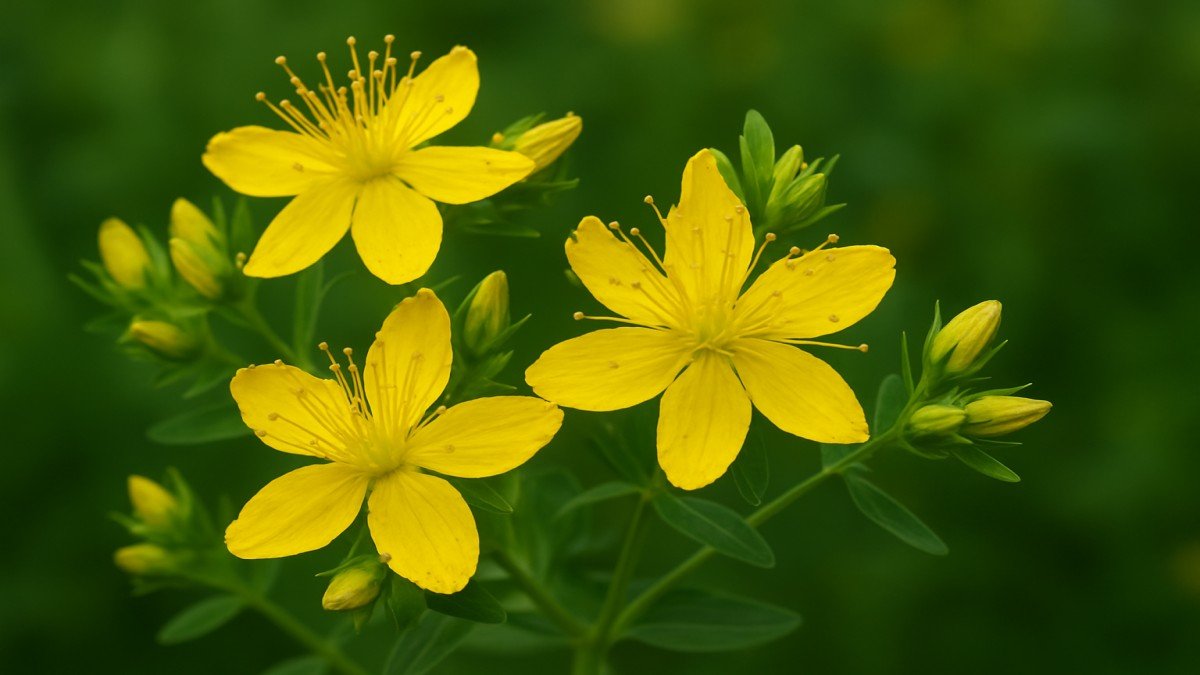
Introduction to Hypericum
Have you ever heard of a flower that can lift your mood, heal your wounds, and brighten your garden? That’s Hypericum, also known as St. John’s Wort a small but powerful plant that has fascinated healers and botanists for centuries. With its sunny yellow blooms and medicinal properties, Hypericum stands as one of nature’s most versatile gifts.
What Is Hypericum?
Hypericum is a genus of flowering plants that belongs to the family Hypericaceae. It comprises over 500 species found across the globe, from temperate to tropical regions. The most famous among them is Hypericum perforatum, widely known for its use as an herbal remedy for depression, anxiety, and inflammation.
A Brief History of Hypericum
The use of Hypericum dates back more than 2,000 years. Ancient Greeks, including Hippocrates, prescribed it for various ailments such as melancholy and nervous disorders. During the Middle Ages, it became known as St. John’s Wort because it typically blooms around June 24th, the feast day of St. John the Baptist. Folklore suggests that it was used to ward off evil spirits and bad dreams — a fitting symbol for a plant associated with light and positivity.
The Botanical Profile of Hypericum
Hypericum plants are generally perennial herbs or shrubs, with small, bright yellow flowers that radiate a star-like pattern. The leaves often have tiny translucent dots (glands) that contain essential oils and active compounds. When held up to light, these dots appear as “holes,” giving the name perforatum to the most famous species.
Common Species of Hypericum
1. Hypericum perforatum
The most widely known species, used in medicine and herbal supplements. It’s recognized for its antidepressant and wound-healing properties.
2. Hypericum androsaemum
Also known as Tutsan, this species is popular in ornamental gardens due to its bright berries and lush foliage.
3. Hypericum calycinum
Commonly called Aaron’s Beard or Rose of Sharon, it’s prized as a ground-cover plant for its large, golden flowers and fast-growing nature.
Traditional Uses of Hypericum
In ancient and traditional medicine, Hypericum was considered a universal remedy. It was applied to cuts, burns, and bruises, used as tea for mood disorders, and even burned as incense to “purify” the air. In rural Europe, people hung the plant over doors to drive away negativity — both physical and spiritual.
Active Compounds and Their Benefits
Hypericum owes its power to a unique blend of natural compounds:
- Hypericin and Pseudohypericin – contribute to its antidepressant activity
- Hyperforin – supports nerve function and mood balance
- Flavonoids and Tannins – provide antioxidant and anti-inflammatory effects
- Essential Oils – help soothe the skin and promote healing
Together, these components make Hypericum a natural powerhouse for physical and emotional well-being.
Medicinal Properties of Hypericum
Antidepressant Effects
Hypericum is best known for its ability to combat mild to moderate depression. Studies suggest it works by inhibiting the reuptake of serotonin, dopamine, and norepinephrine, the brain’s “happy chemicals.”
Anti-inflammatory Benefits
Extracts from the plant can help reduce swelling, redness, and pain, making them useful in treating conditions like arthritis or muscle soreness.
Antibacterial and Antiviral Properties
Hypericum oil and extracts possess natural antimicrobial properties, effective against bacteria, fungi, and even certain viruses.
Hypericum for Mental Health
Hypericum is often referred to as “nature’s Prozac.” Clinical trials have shown that it can be just as effective as some prescription antidepressants for mild cases — but with fewer side effects. It’s also beneficial for seasonal affective disorder (SAD), helping people cope with low moods during darker months.
Conclusion
Hypericum is truly a plant of light — bright in color, powerful in healing, and uplifting in spirit. From treating wounds to soothing the mind, it bridges ancient wisdom and modern science beautifully. Whether you’re sipping Hypericum tea or admiring it in your garden, this golden herb reminds us that nature holds the key to wellness.
FAQs
1. What is Hypericum used for?
It’s used for depression, anxiety, nerve pain, and wound healing.
2. Can I take Hypericum with prescription drugs?
Caution is advised — it can interact with certain medications like antidepressants and birth control pills.
3. Does Hypericum really work for depression?
Yes, studies show it can help mild to moderate depression, though severe cases require medical treatment.
4. Can I grow Hypericum at home?
Absolutely! It’s easy to grow and thrives in sunny gardens with well-drained soil.
5. What does Hypericum oil look like?
It’s a deep red oil made by infusing Hypericum flowers in carrier oils like olive or sunflower.