

Introduction
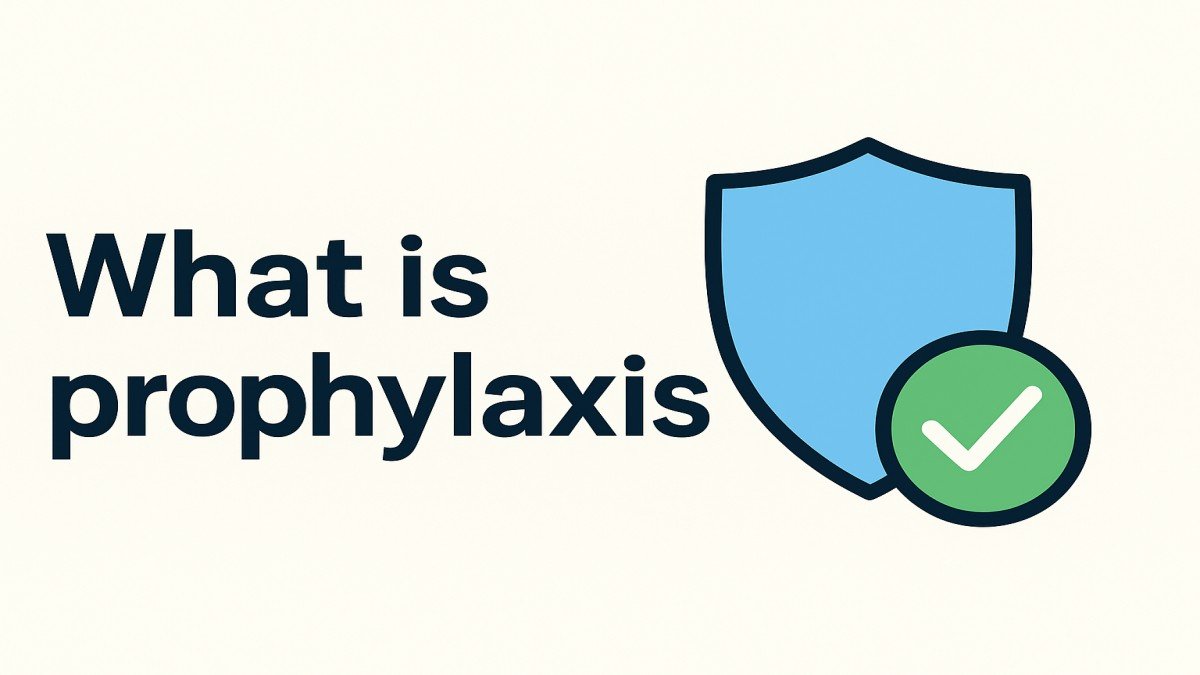
What Is Prophylaxis. They say, “Prevention is better than cure,” and that’s exactly what prophylaxis is all about. Instead of waiting for diseases to appear and then treating them, prophylaxis focuses on preventing them from happening in the first place. It’s like putting up a strong fence at the top of a cliff rather than placing an ambulance at the bottom.
The Definition of Prophylaxis
The word “prophylaxis” comes from the Greek term prophylaktikos, meaning “to guard beforehand.” In medicine, it refers to any action or treatment designed to prevent disease or infection before it occurs. It can involve medications, vaccines, lifestyle changes, or medical procedures.
Types of Prophylaxis
There are three main types of prophylaxis, each targeting a different stage of disease prevention.
1. Primary Prophylaxis
Primary prophylaxis focuses on preventing a disease before it develops. This includes actions like:
- Vaccinations
- Using mosquito nets to prevent malaria
- Practicing safe sex to avoid HIV
2. Secondary Prophylaxis
This type involves early detection and treatment to stop a disease from worsening. Examples include:
- Regular screenings for cancer
- Taking antiviral medications after exposure
3. Tertiary Prophylaxis
Tertiary prophylaxis aims to reduce complications or recurrence after a disease has been treated. For instance:
- Taking low-dose aspirin to prevent another heart attack
- Rehabilitation exercises after a stroke
The Importance of Prophylaxis
Why wait until sickness strikes when you can stop it beforehand? Prophylaxis:
- Reduces disease spread across communities
- Improves quality of life by maintaining health
- Saves healthcare costs by avoiding expensive treatments later
Examples of Prophylaxis in Everyday Medicine
Let’s look at how prophylaxis is used in daily healthcare practices around the world.
Vaccination as Prophylaxis
Vaccines are one of the greatest medical achievements in human history. They prepare the body’s immune system to fight infections before exposure happens.
Common vaccines include:
- Measles, mumps, rubella (MMR)
- Influenza
- COVID-19
- Hepatitis B
These vaccines protect millions of lives each year, especially in children and the elderly.
Dental Prophylaxis
Ever wondered why dentists recommend cleanings every six months? That’s dental prophylaxis—a preventive cleaning process to remove plaque and tartar, preventing gum disease and cavities. Regular cleanings not only keep your teeth shining but also reduce the risk of oral infections.
Malaria and Travel Prophylaxis
For travelers visiting malaria-endemic areas, taking antimalarial medications such as atovaquone-proguanil or doxycycline acts as prophylaxis. These drugs protect you from malaria parasites transmitted through mosquito bites. Prevention starts before travel and continues even after leaving the area.
HIV Prophylaxis
There are two main types:
- PrEP (Pre-Exposure Prophylaxis): Taken by people at high risk before exposure to HIV.
- PEP (Post-Exposure Prophylaxis): Taken after possible exposure to reduce infection risk.
Both methods have been proven highly effective in preventing HIV transmission when used correctly.
Surgical Prophylaxis
Before surgeries, doctors often administer antibiotics to prevent postoperative infections. This proactive step, known as surgical prophylaxis, significantly reduces complications, hospital stays, and recovery time.
Medical and Non-Medical Preventive Measures
Prophylaxis isn’t limited to drugs or vaccines. Simple everyday habits can be just as powerful:
- Handwashing reduces infections like flu and diarrhea.
- Healthy diet supports the immune system.
- Regular exercise prevents obesity and heart disease.
- Safe sex prevents sexually transmitted infections.
The Role of Healthcare Professionals in Prophylaxis
Doctors, nurses, and pharmacists play a key role in prevention. They:
- Educate patients about preventive steps
- Administer vaccines and prophylactic medications
- Monitor for side effects and ensure compliance
Without these professionals, effective prophylaxis programs wouldn’t be possible.
Conclusion
So, what is prophylaxis? Simply put—it’s the art of prevention. From vaccinations to lifestyle changes, it’s about staying one step ahead of disease. In a world where healthcare costs are skyrocketing, focusing on prophylaxis isn’t just wise—it’s essential. After all, protecting your health today means ensuring a stronger tomorrow.
FAQs About Prophylaxis
1. What does prophylaxis mean in simple terms?
Prophylaxis means taking preventive action to stop diseases before they start.
2. Is prophylaxis the same as vaccination?
Not exactly. Vaccination is a form of prophylaxis, but not all prophylaxis involves vaccines. It also includes medications, lifestyle changes, and hygiene.
3. How often should dental prophylaxis be done?
Dentists recommend professional cleanings every 6 months, depending on your oral health.
4. What are examples of prophylactic drugs?
Antimalarial drugs, PrEP for HIV, and antibiotics before surgery are common examples.
5. Why is prophylaxis important in healthcare?
It prevents disease, reduces healthcare costs, and promotes long-term wellness.