


Introduction
In the world of wellness and beauty, glutathione has become a buzzword. From skincare enthusiasts to health professionals, everyone seems to be talking about this powerful antioxidant. But what exactly is glutathione, and why is it so important for your body? Let’s dive into what makes it the “master antioxidant” and how it impacts your overall health.
What Is Glutathione?
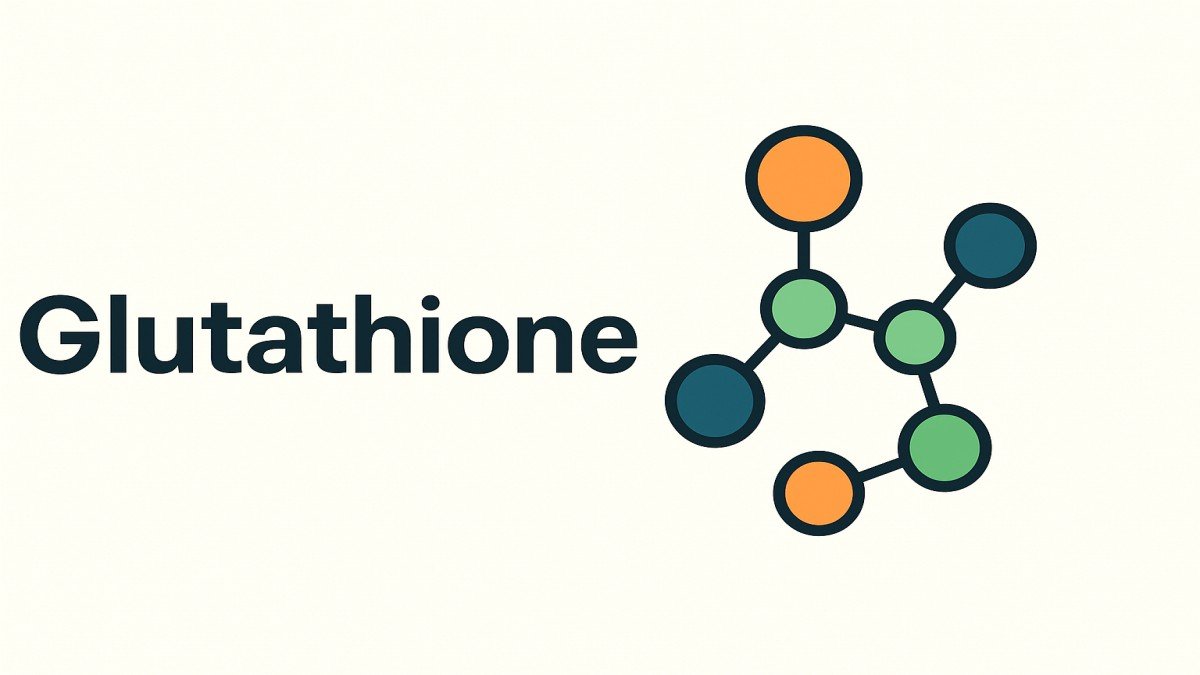
Glutathione (often shortened to “GSH”) is a naturally occurring molecule found in almost every cell of your body. It’s made up of three amino acids—glutamine, cysteine, and glycine. Together, they form a small but mighty compound that protects cells from oxidative stress, toxins, and damage.
You can think of glutathione as your body’s internal cleaning crew—constantly working to detoxify harmful substances and keep your cells functioning at their best.
How Glutathione Works in the Body
Glutathione is your body’s front-line defense against free radicals—unstable molecules that cause cell damage and accelerate aging. It neutralizes these radicals by donating electrons, which stabilizes them and prevents further harm.
Besides fighting oxidative stress, glutathione also:
- Helps detoxify the liver
- Supports immune system function
- Assists in DNA repair
- Regenerates other antioxidants like vitamin C and E
In short, without glutathione, your body’s defenses would crumble under daily stress and pollution.
The Importance of Glutathione
Imagine your body as a city. Glutathione acts as both the garbage collector and repair crew—removing toxins, fixing damage, and keeping everything running smoothly. When your glutathione levels drop, toxins build up, immune function weakens, and aging speeds up. It’s that vital.
How the Body Produces Glutathione
Your body makes glutathione naturally, but it depends on certain nutrients and amino acids. The three key building blocks are:
- Cysteine – found in high-protein foods like eggs and chicken.
- Glutamine – found in spinach, parsley, and bone broth.
- Glycine – found in fish, beans, and gelatin.
A healthy diet, rich in antioxidant foods, supports optimal glutathione production. However, stress, pollution, and aging can lower these levels.
Benefits of Glutathione
1. Strengthens the Immune System
Glutathione boosts white blood cell activity, helping your body fight off viruses and bacteria. When your glutathione levels are high, your immune system performs more efficiently.
2. Supports Liver Detoxification
Your liver uses glutathione to neutralize toxins and heavy metals, preventing them from damaging your organs. It’s crucial for people exposed to pollutants, alcohol, or medications.
3. Promotes Skin Brightening and Anti-Aging
This is where glutathione gets the most attention! It inhibits melanin production, leading to lighter, more even-toned skin. Additionally, it helps reduce wrinkles and age spots by protecting skin cells from oxidative damage.
4. Enhances Energy and Mental Clarity
Low glutathione levels can lead to fatigue and brain fog. By protecting mitochondria (your cells’ powerhouses), glutathione boosts both physical and mental energy.
5. Improves Sleep and Mood
Glutathione supports the production of serotonin and melatonin, two key hormones for mood regulation and quality sleep.
Glutathione and Skin Whitening
Let’s talk about the big claim—skin whitening. Glutathione lightens skin by inhibiting tyrosinase, the enzyme responsible for melanin (pigment) production. This results in a brighter and more even complexion over time.
However, the effects aren’t instant. It usually takes weeks or months of consistent supplementation or IV therapy to see noticeable changes. It’s not bleaching—it’s a natural balancing of skin tone.
Foods That Boost Glutathione Production
You don’t necessarily need supplements to boost glutathione. Eating the right foods can naturally help:
- Broccoli, kale, and cauliflower – rich in sulfur compounds.
- Garlic and onions – stimulate enzyme activity.
- Spinach and avocados – high in antioxidants.
- Citrus fruits – provide vitamin C, which regenerates glutathione.
- Lean proteins – supply essential amino acids.
Adding these foods to your diet can help maintain healthy levels naturally.
Conclusion
Glutathione is more than a beauty supplement—it’s a vital antioxidant your body needs for survival. From detoxification to radiant skin, it plays a central role in your health and longevity. If you take care of your body through proper diet, rest, and supplementation, glutathione will take care of you in return.
FAQs About Glutathione
1. What is glutathione used for?
It’s used for detoxification, immune support, anti-aging, and skin brightening.
2. Can I get enough glutathione from food?
Yes, a balanced diet rich in sulfur-containing foods can boost natural levels.
3. Does glutathione really whiten the skin?
It can lighten skin tone gradually by reducing melanin production, but results vary.
4. How long does it take to see results from supplements?
It usually takes 2–3 months of consistent use to notice visible results.
5. Is it safe to take glutathione daily?
Yes, when taken in recommended doses, it’s safe for long-term use.