



Kojic acid has become a skincare favorite for people who want brighter, clearer, and more even-toned skin. Whether you’re fighting dark spots, melasma, or dullness, kojic acid is often the go-to ingredient. In this guide, you’ll learn what it is, how it works, and how to use it safely for visible results.
Introduction to Kojic Acid
What Is Kojic Acid?
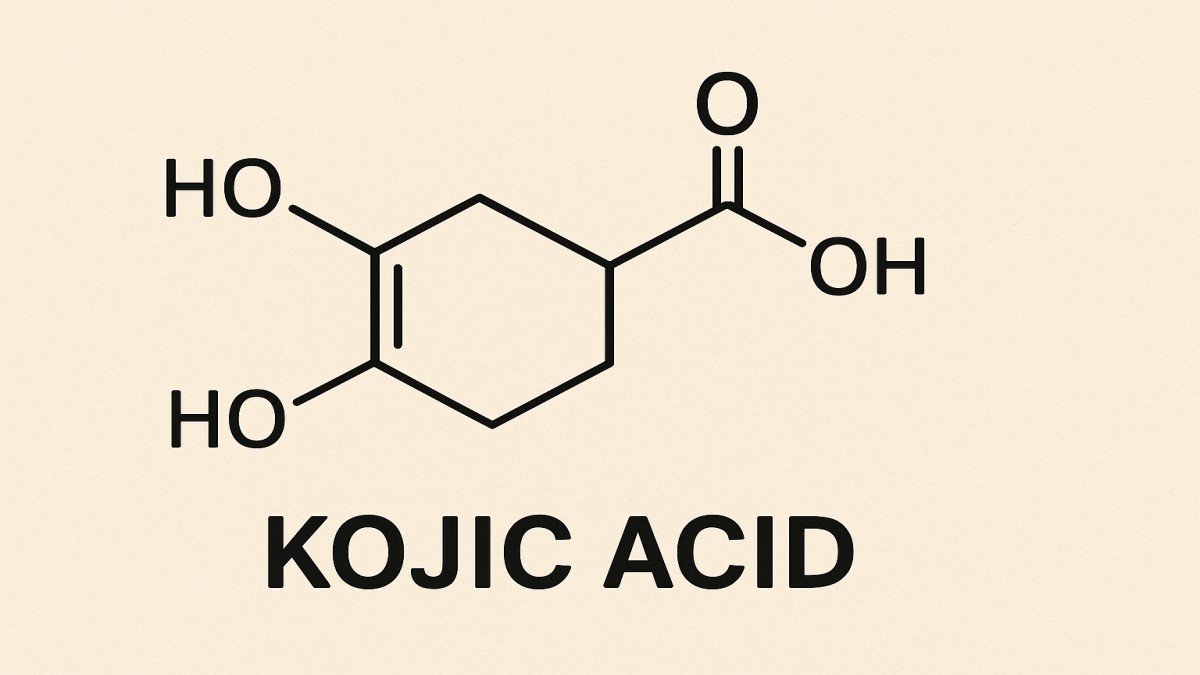
Kojic acid is a naturally derived ingredient produced from certain fungi and during the fermentation of foods like sake, soy sauce, and rice wine. It’s widely used in skincare for its skin-lightening and anti-pigmentation effects.
Think of kojic acid as a gentle yet effective brightening agent that breaks down stubborn dark spots over time.
How Kojic Acid Works on the Skin
Kojic acid blocks the enzyme tyrosinase—this enzyme is responsible for melanin production. When melanin levels decrease, the skin appears brighter, lighter, and more even. This makes kojic acid a top choice for hyperpigmentation, sunspots, and uneven skin tone.
Major Benefits of Kojic Acid
Reduces Dark Spots and Pigmentation
If you’re struggling with dark patches caused by acne, sun exposure, or hormonal changes, kojic acid helps lighten them gradually. It’s gentle enough to use long-term when applied correctly.
Brightens Dull Skin
By slowing melanin production, kojic acid improves overall complexion radiance. Your skin looks fresher, brighter, and more youthful.
Helps Fade Acne Scars
Post-acne marks can stay for months, but kojic acid helps fade them faster by targeting deeper melanin deposits.
Anti-Aging Properties
Kojic acid also has antioxidant properties that help neutralize free radicals—one of the major causes of premature aging.
Fights Melasma & Sun Damage
Melasma is one of the most challenging types of pigmentation. Kojic acid is often recommended alongside sunscreen and other brighteners to manage melasma more effectively.
Popular Forms of Kojic Acid
Kojic Acid Soap
One of the most popular skincare products, kojic acid soap offers quick exfoliation and brightening. However, it can be drying, so moisturization is a must.
Kojic Acid Creams & Serums
These are considered more gentle and ideal for long-term use. Serums with kojic acid often give faster results because they penetrate deeper.
Kojic Acid Powder
Used for DIY skincare formulations. Must be handled carefully and combined correctly with other ingredients.
Kojic Dipalmitate vs Kojic Acid
Kojic dipalmitate is a more stable, less irritating version of kojic acid. It’s great for sensitive skin but may work slower.
How to Use Kojic Acid Safely
Usage Frequency
Start slowly—2 to 3 times a week—then increase as your skin adjusts. Overuse can cause irritation.
Patch Test Importance
Before applying it to your entire face, always patch test to avoid unexpected reactions.
Suitable Skin Types
- Best for: oily, combination, normal skin
- Use with caution: dry or sensitive skin
If your skin barrier is damaged, avoid kojic acid until it heals.
Possible Side Effects
Skin Irritation
Mild redness, dryness, or tingling can occur—especially at the beginning.
Allergic Reactions
If you notice itching, swelling, or burning, discontinue use immediately.
Photosensitivity
Kojic acid makes the skin more sensitive to the sun, so sunscreen is absolutely necessary.
Tips to Maximize Kojic Acid Results
Combine with Vitamin C
Vitamin C boosts the brightening effect and gives quicker, more noticeable results.
Always Use Sunscreen
Even the strongest brightening ingredients won’t work if your skin keeps getting sun exposure.
Maintain a Consistent Routine
Kojic acid works gradually. Consistency is the key to seeing long-lasting results.
Who Should Avoid Kojic Acid?
Extremely Sensitive Skin
People who get irritated easily may find kojic acid too strong.
Pregnant or Breastfeeding Women
Some dermatologists advise avoiding strong brightening agents during pregnancy.
People with Compromised Skin Barrier
If you have redness, peeling, or eczema, wait until your barrier is repaired.
Conclusion
Kojic acid is one of the most effective and gentle ingredients for achieving a brighter, more even skin tone. It helps fade dark spots, acne scars, sun damage, and melasma—all while boosting your overall glow. With consistent use and proper sun protection, kojic acid can transform your skincare routine. Just start slowly, listen to your skin, and enjoy the results.
FAQs
1. How long does kojic acid take to show results?
Most people notice improvements within 4–8 weeks of consistent use.
2. Can I use kojic acid every day?
Yes, if your skin tolerates it—but it’s best to start slowly to avoid irritation.
3. Is kojic acid safe for sensitive skin?
It can be, but sensitive skin users should choose lower concentrations or kojic dipalmitate.
4. Can I mix kojic acid with retinol?
Yes, but use them on alternate nights to reduce the risk of irritation.
5. Does kojic acid lighten the skin permanently?
Results last as long as you maintain sun protection and a consistent routine.