




Introduction
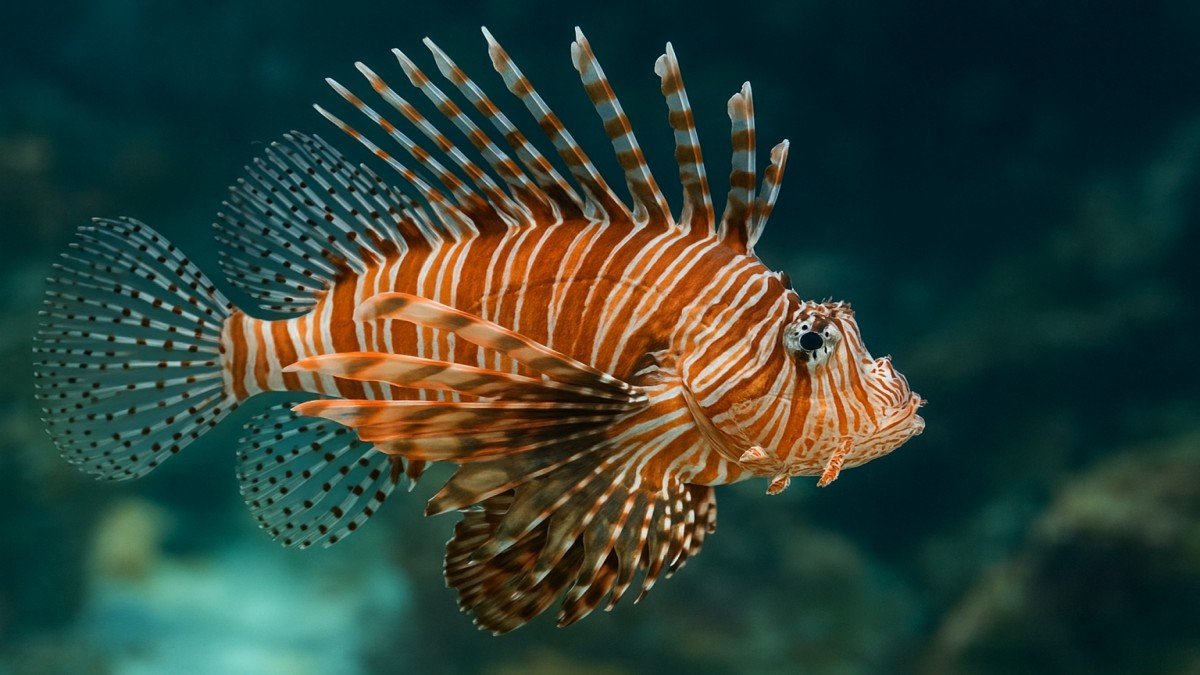
The Pterois lionfish is one of the most stunning yet ecologically threatening marine species in the world. With its dramatic fins, bold stripes, and venomous spines, this fish captures attention instantly. But behind its beauty lies an invasive predator capable of reshaping entire ecosystems.
In this article, we’ll dive deep into the world of lionfish—its biology, behavior, dangers, ecological impact, and growing efforts to control its spread. Whether you’re a diver, marine enthusiast, student, or simply curious, this guide covers everything you need to know in a simple, conversational, and engaging way.
What Is the Pterois Lionfish?
The Pterois genus includes several lionfish species, but the most well-known are the red lionfish (Pterois volitans) and devil firefish (Pterois miles). These fish are instantly recognizable due to their elegant, fan-like pectoral fins and bold zebra-like stripes.
Origin and Natural Habitat
Lionfish are native to the Indo-Pacific region, including:
- Indonesia
- Malaysia
- Australia
- The Red Sea
- The Indian Ocean
In their natural habitat, they play a balanced ecological role. However, once introduced into foreign waters, their population explodes.
Physical Characteristics
Lionfish look like underwater fireworks. Some key features include:
- Long, venomous dorsal spines
- Flared pectoral fins resembling wings
- Striking red, brown, and white stripes
- Size ranging from 8 to 15 inches, sometimes more
- Ability to swallow prey nearly half their own size
Their beauty often causes people to underestimate their danger.
Venom and Defense Mechanisms
Lionfish aren’t aggressive toward humans—but they are heavily armed.
Are Lionfish Dangerous to Humans?
Yes. Their spines contain venom capable of causing intense pain, swelling, nausea, and in rare cases, severe allergic reactions.
Symptoms of Lionfish Stings
A sting can feel like a burst of fire in the skin. Common symptoms include:
- Severe pain for several hours
- Redness and swelling
- Headache
- Vomiting
- Temporary paralysis (in severe cases)
Although rarely fatal, stings are no joke and require proper first aid.
Behavior and Diet
Lionfish are stealthy ambush predators.
Hunting Techniques
They glide slowly, cornering prey using their wide fins. Then, with lightning-fast suction, they swallow their target whole. No chewing—just a quick inhale.
Typical Food Sources
Lionfish prey on:
- Shrimp
- Crabs
- Juvenile fish
- Reef-cleaning species like wrasses and parrotfish
This is where the problem begins: they eat the “good guys” that keep coral reefs healthy.
Reproduction and Life Cycle
Lionfish reproduce like there’s no tomorrow. A single female can lay up to 2 million eggs per year. Their eggs drift easily across currents, spreading them far and wide, and predators in non-native areas simply don’t recognize or eat their eggs.
Lionfish as an Invasive Species
This is the part of the story where beautiful becomes dangerous.
How They Spread in the Atlantic
Lionfish were first sighted off the Florida coast in the 1980s. The leading theories include:
- Release from home aquariums
- Accidental escapes during hurricanes
Today, they’ve spread through:
- The Caribbean
- Gulf of Mexico
- Western Atlantic coastlines
They have no natural predators in these areas, allowing their population to skyrocket.
Impact on Coral Reefs
Lionfish can reduce native fish populations by up to 90% in heavily invaded reefs. Without herbivorous fish, algae grows uncontrollably, smothering corals.
Threat to Native Fish Populations
Lionfish compete with—and often outcompete—native predators like:
- Groupers
- Snappers
- Barracudas
This disrupts the entire marine food web.
Human Interactions
While lionfish cause ecosystem harm, humans are stepping in.
Lionfish Fishing
Divers hunt lionfish using spears. It’s safe when done correctly and encouraged by conservationists.
Culinary Uses
Surprisingly, lionfish is delicious.
It is:
- White-meat
- Flaky
- Mild in flavor
- High in omega-3
- Non-toxic once the spines are removed
Eating lionfish helps control their numbers—environmental activism has never been so tasty.
Conclusion
The Pterois lionfish is a creature of contradictions—beautiful yet destructive, elegant yet invasive. While it poses a serious threat to reefs outside its native habitat, humans can play a leading role in controlling its spread. By understanding this species and supporting removal efforts, we can help protect marine ecosystems and restore the health of our oceans.
FAQs
1. Are lionfish venomous?
Yes. Their spines contain venom that causes intense pain and swelling but is rarely fatal.
2. Where are lionfish originally from?
Lionfish are native to the Indo-Pacific region, including the Red Sea and Indian Ocean.
3. Why are lionfish a problem in the Atlantic?
They have no natural predators there, reproduce quickly, and consume massive amounts of native reef fish.
4. Can you eat lionfish?
Absolutely. Once the spines are removed, lionfish is completely safe and delicious.
5. How can we reduce lionfish populations?
Through targeted removal, spearfishing events, promotion of lionfish as food, and community awareness.