




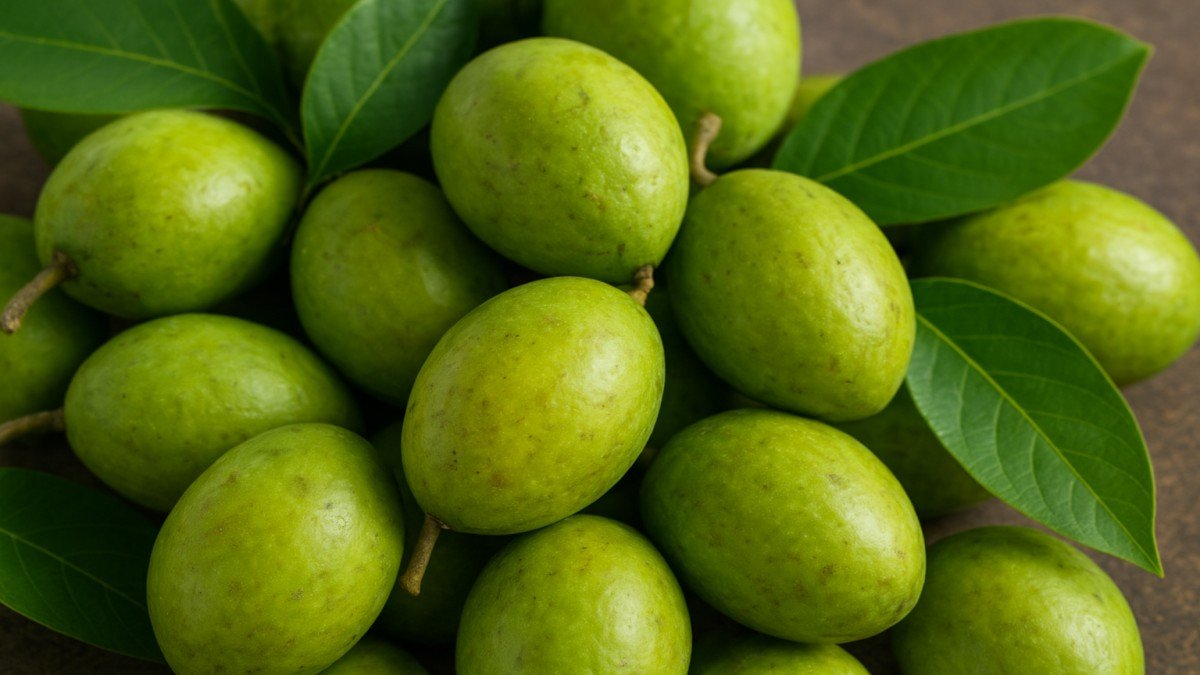
If you’ve ever come across a bright green, oval-shaped fruit that tastes like a mix of pineapple, mango, and citrus, you’ve probably met the June plum. Also known as ambarella, golden apple, hog plum, or Spondias dulcis, this tropical fruit is cherished worldwide for its refreshing flavor and powerful health benefits.
Whether you enjoy it fresh, juiced, pickled, or cooked, June plum is more than just a tasty fruit—it’s a nutritional powerhouse with a surprising number of traditional uses.
Let’s dive into everything you need to know.
What Is June Plum?
June plum (Spondias dulcis) is a tropical fruit from the cashew family (Anacardiaceae). It grows on fast-growing trees and is native to Polynesia but widely cultivated today in the Caribbean, Southeast Asia, Africa, and Central America.
The fruit has:
- Crisp flesh when unripe
- Golden-yellow skin when fully ripe
- A fibrous core with soft spikes
- A sweet–tart flavor similar to pineapple or mango
Both the fruit and leaves are used in food and traditional medicine.
Nutritional Profile of June Plum
June plum is low in calories but packed with vitamins and minerals. A typical 100-gram serving contains:
- Vitamin C – boosts immunity and skin health
- Vitamin A – supports vision
- Fiber – aids digestion
- Potassium – helps regulate blood pressure
- Antioxidants – reduce inflammation
Because of its high vitamin C content, June plum is often used to prevent colds and support overall wellness.
Health Benefits of June Plum
1. Boosts Immune System
June plum is rich in vitamin C and other antioxidants that help:
- Strengthen immunity
- Fight infections
- Reduce oxidative stress
Just a single fruit can provide a significant percentage of your daily vitamin C needs.
2. Supports Healthy Digestion
The fruit contains dietary fiber that promotes:
- Smooth bowel movements
- Better nutrient absorption
- Prevention of constipation
The tangy flavor also stimulates digestive enzymes.
3. Helps Lower Blood Pressure Naturally
Potassium in June plum helps balance sodium levels in the body, which may:
- Reduce hypertension
- Support heart function
- Improve circulation
4. Good for Eye Health
June plum contains vitamin A, which is essential for:
- Clear vision
- Healthy corneas
- Reduced risk of night blindness
5. Supports Skin Health
The combination of vitamin C, antioxidants, and minerals in June plum makes it great for skin:
- Reduces wrinkles
- Helps collagen production
- Promotes wound healing
Some cultures even apply June plum juice to the skin for a natural glow.
6. Promotes Weight Management
Because it’s:
- Low in calories
- High in fiber
- Naturally filling
June plum is an excellent fruit for anyone trying to lose or manage weight.
7. Helps Reduce Inflammation
Compounds in the fruit and leaves have anti-inflammatory properties traditionally used to:
- Relieve swelling
- Ease joint discomfort
- Reduce fever
Culinary Uses of June Plum
June plum can be eaten at all stages:
Unripe June Plum (Green)
Has a tart, crisp flavor perfect for:
- Pickling
- Sauces
- Adding to salads
- Eating with salt, chili, or spices
Ripe June Plum (Yellow)
Sweeter and softer, commonly used for:
- Juices
- Smoothies
- Desserts
- Jams
- Fresh snacking
Leaves
Young leaves are edible and often used in:
- Salads
- Herbal teas
- Soups
Popular June Plum Recipes
1. June Plum Juice
A refreshing Caribbean favorite.
Ingredients:
- 3–4 ripe June plums
- Sugar or honey (optional)
- Ginger
- Water
Blend, strain, chill, and serve cold.
2. Pickled June Plum
A popular street food in Asia.
Slices of green June plum are mixed with:
- Vinegar
- Sugar
- Chili
- Salt
Delicious with a crunchy bite.
3. June Plum Chutney
Pairs well with meat or bread.
Made with:
- Ripe June plum
- Onion
- Garlic
- Spices
Conclusion
June plum is more than just an exotic fruit—it’s a nutritious, flavorful, and culturally significant food enjoyed across the globe. Packed with vitamin C, fiber, antioxidants, and minerals, it supports digestion, boosts immunity, and improves overall health. Plus, its versatility makes it easy to incorporate into drinks, snacks, or meals.
If you’ve never tried June plum, now is the perfect time to explore its rich flavor and benefits.
FAQs
1. What does June plum taste like?
It has a sweet–tart flavor similar to pineapple mixed with mango. Unripe fruits are more sour and crunchy, while ripe ones are sweeter and softer.
2. Is June plum good for weight loss?
Yes. It is low in calories and high in fiber, helping you feel full and satisfied.
3. Can you eat the skin of June plum?
Absolutely. The skin is edible and rich in nutrients, although it may be firmer when the fruit is unripe.
4. What is the best way to eat June plum?
You can enjoy it fresh, juiced, pickled, or blended into smoothies. Many people also love it with chili and salt.
5. Are June plum leaves edible?
Yes, young leaves are often eaten raw in salads or brewed into herbal tea.