




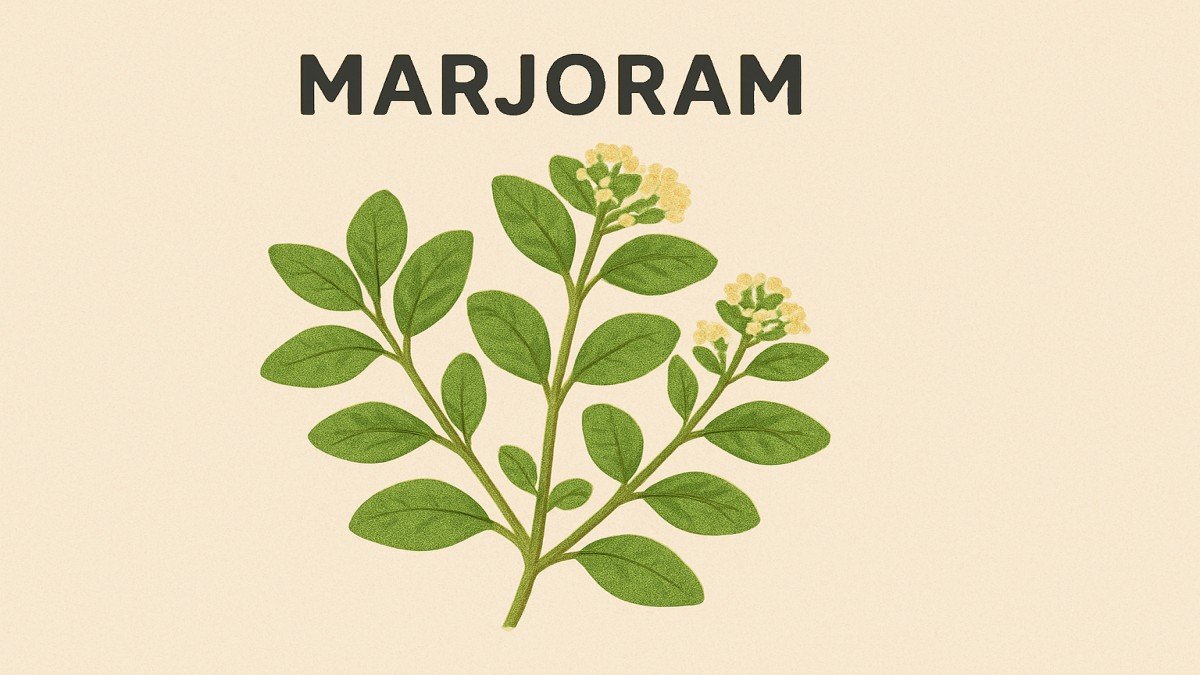
Marjoram may not always be the herb that gets the spotlight, but once you learn about it, you’ll understand why it has been cherished for centuries. With its warm, slightly sweet, citrus-like aroma, marjoram adds depth to meals, supports wellness, and brings a gentle calming touch to daily life. Whether you’re a home cook, an herbal enthusiast, or simply curious, this guide covers everything you need to know about this remarkable plant.
What Is Marjoram?
Marjoram (Origanum majorana) is a fragrant herb from the mint family. It is closely related to oregano, though milder and sweeter in flavor. Native to the Mediterranean and Western Asia, marjoram has been used since ancient times for cooking, herbal medicine, and aromatherapy.
Its soft green leaves and delicate scent have long symbolized happiness and love in various cultures. Today, it remains a staple in kitchens and herbal traditions around the world.
Marjoram vs. Oregano: What’s the Difference?
People often confuse marjoram with oregano since both come from the Origanum genus. But they are not the same:
- Flavor: Marjoram is sweet and floral, while oregano is pungent and peppery.
- Usage: Marjoram is ideal for delicate dishes. Oregano fits bold and robust recipes.
- Aroma: Marjoram’s aroma is mild and comforting; oregano’s is sharper and earthier.
Chefs sometimes mix the two, but marjoram stands out for its gentle, elegant flavor.
Culinary Uses of Marjoram
Marjoram is prized in cooking for its ability to enhance flavors without overwhelming them. Here are some common uses:
1. Soups and Stews
Marjoram pairs beautifully with broths, vegetable soups, and chicken stews. Its mild sweetness adds a depth that lingers in the background.
2. Meat and Poultry
It brings out the natural flavors of beef, lamb, and especially chicken. Many European recipes rely on marjoram for seasoning sausages.
3. Vegetables
Marjoram elevates roasted potatoes, carrots, zucchini, squash, and tomatoes.
4. Salad Dressings & Sauces
It blends well with lemon, olive oil, mustard, and vinegar.
5. Bread & Stuffing
This herb can be mixed into dough or used in stuffing mixes for a subtle fragrant twist.
Fresh vs. Dried Marjoram
- Fresh marjoram: Mild, best added toward the end of cooking.
- Dried marjoram: More concentrated; use less than fresh.
Health Benefits of Marjoram
Marjoram has long been used in traditional herbal practices for its potential health-supporting properties. While more research is needed, several promising benefits stand out.
1. Supports Digestive Health
Marjoram has been traditionally used to ease:
- bloating
- gas
- mild indigestion
Its soothing compounds may help relax intestinal muscles.
2. Anti-Inflammatory Properties
The herb contains flavonoids and essential oils that may help reduce inflammation in the body.
3. Calming and Stress Relief
Marjoram tea or essential oil is often used to promote relaxation. Its warm, gentle aroma can help calm the nervous system.
4. May Support Hormonal Balance
Some herbal traditions use marjoram to support menstrual comfort and general hormonal health. More scientific research is still developing.
5. Antioxidant Activity
Marjoram contains compounds like carvacrol and thymol, which help fight oxidative stress.
Marjoram Tea: A Simple Wellness Ritual
One of the easiest ways to enjoy marjoram’s benefits is through tea.
How to Make Marjoram Tea
- 1 teaspoon dried marjoram or 2 teaspoons fresh leaves
- 1 cup hot water
- Steep for 5–10 minutes
- Add honey or lemon if desired
This soothing tea is often used before bedtime to promote relaxation and a sense of calm.
Marjoram Essential Oil
The essential oil extracted from marjoram leaves is popular in aromatherapy.
Common Uses
- Massage oils (often diluted with carrier oils)
- Diffusers for relaxation
- Warm compresses for muscle comfort
Never apply marjoram essential oil directly to the skin without dilution.
Conclusion
Marjoram is more than just a kitchen herb—it’s a rich, aromatic plant with centuries of culinary and medicinal history. Whether you sprinkle it into soups, brew it into tea, or inhale its calming scent, marjoram brings warmth, balance, and gentle flavor to everyday life. Its versatility, soothing properties, and delicate taste make it a herb worth keeping in your garden and your kitchen.
Frequently Asked Questions (FAQs)
1. What does marjoram taste like?
Marjoram has a sweet, floral, slightly citrus flavor. It’s milder and more delicate than oregano.
2. Can marjoram be used as a substitute for oregano?
Yes, but expect a sweeter, less intense flavor. Oregano is stronger and more peppery.
3. Is marjoram good for anxiety or relaxation?
Marjoram tea and essential oil are often used for calming effects, though more research is still needed.
4. Is marjoram safe to consume daily?
Yes, in normal culinary amounts. Concentrated forms should be used with care.
5. How is marjoram tea different from oregano tea?
Marjoram tea is smoother and sweeter, while oregano tea has a stronger, more medicinal taste.