



If spaghetti had a bolder, more adventurous cousin, it would be bucatini pasta. Thick, chewy, and unmistakably unique thanks to its hollow center, bucatini is a beloved Italian pasta that knows how to hold onto sauce like a pro. It’s comforting, versatile, and quietly elegant one of those ingredients that turns a simple dish into something unforgettable.
Let’s explore what makes bucatini pasta special, how it’s traditionally used, and why it deserves a permanent place in your kitchen.
What Is Bucatini Pasta?
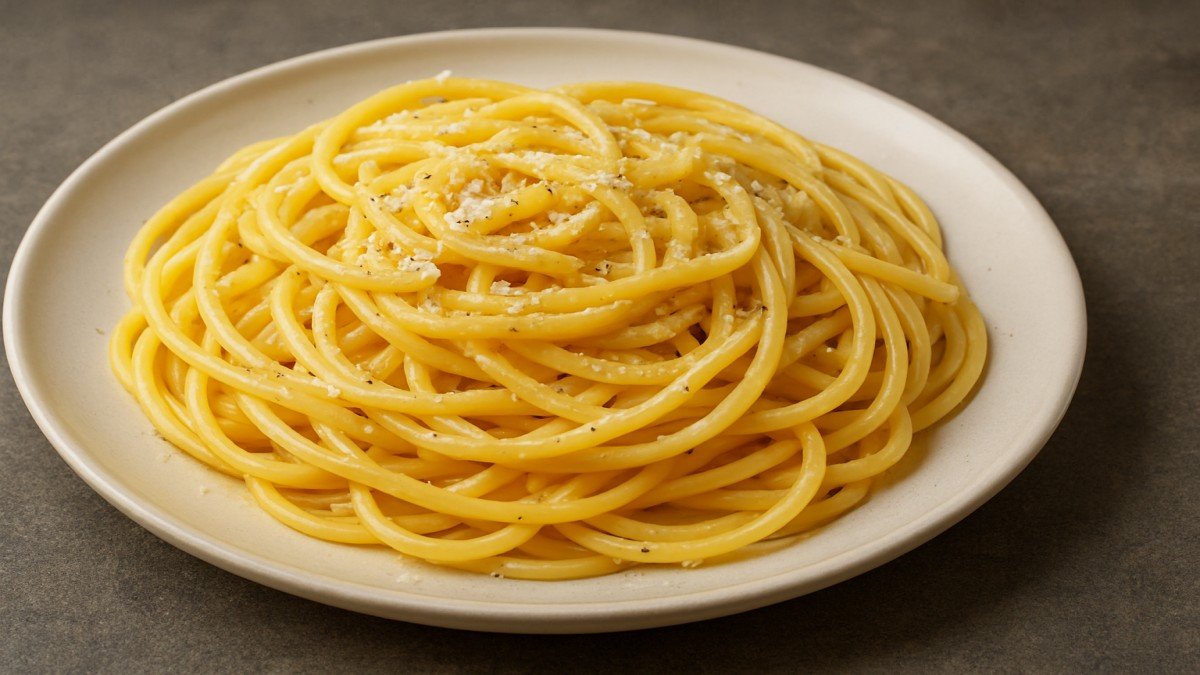
Bucatini is a long, cylindrical pasta similar to spaghetti, but with one key difference: it has a hole running through the center. The name comes from the Italian word “buco,” meaning hole.
This hollow core allows sauce to seep inside, creating flavor in every bite.
Origins of Bucatini
Bucatini originates from central Italy, particularly the Lazio region. It’s closely associated with Roman cuisine and has been a staple in Italian kitchens for centuries.
Historically, bucatini was made by hand using simple tools, but modern extrusion techniques now ensure consistent shape and texture.
Texture and Taste
Thicker and Chewier
Compared to spaghetti, bucatini is thicker and more substantial. It has a satisfying bite—often described as al dente heaven.
Why the Hole Matters
That hollow center isn’t just for looks. It:
- Traps sauce inside
- Enhances mouthfeel
- Delivers balanced flavor
It’s like a tiny tunnel of deliciousness.
Classic Bucatini Dishes
Bucatini all’Amatriciana
This iconic Roman dish combines:
- Tomato sauce
- Guanciale (cured pork cheek)
- Pecorino Romano cheese
The sauce clings beautifully to the pasta, making each forkful rich and savory.
Bucatini Cacio e Pepe
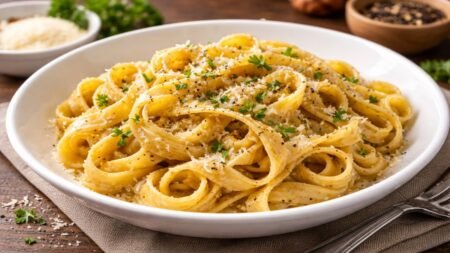
Simple yet powerful, this dish uses only cheese, black pepper, and pasta water. Bucatini’s thickness makes it perfect for this creamy, peppery sauce.
Best Sauces for Bucatini
Bucatini shines with hearty sauces, including:
- Tomato-based sauces
- Creamy sauces
- Oil-based sauces with garlic and chili
Light sauces can work, but bucatini truly excels when there’s enough body to match its thickness.
How to Cook Bucatini Properly
Use Plenty of Water
Bucatini needs space to move. Use a large pot and well-salted water.
Stir Often
Because of its thickness and hollow center, bucatini can stick together if not stirred frequently.
Cook Al Dente
Follow package instructions, but taste-test near the end. The texture should be firm yet tender.
Bucatini vs Spaghetti
| Feature | Bucatini | Spaghetti |
|---|---|---|
| Thickness | Thicker | Thinner |
| Hollow Center | Yes | No |
| Sauce Holding | Excellent | Moderate |
| Texture | Chewy | Light |
If spaghetti is graceful, bucatini is bold.
Bucatini in Modern Cooking
Chefs and home cooks alike are using bucatini in creative ways:
- Baked pasta dishes
- Seafood pastas
- Fusion recipes
Its structure holds up well in complex dishes without losing its bite.
Is Bucatini Healthier Than Other Pasta?
Nutritionally, bucatini is similar to other durum wheat pastas:
- Good source of carbohydrates
- Low in fat
- Can be high in protein if made from semolina
Whole wheat versions add extra fiber.
Common Mistakes When Cooking Bucatini
- Overcooking (leads to mushy texture)
- Using too little water
- Pairing with overly light sauces
Respect the pasta, and it will reward you.
Where to Buy Bucatini Pasta
Bucatini is widely available:
- Italian grocery stores
- Supermarkets
- Online specialty food shops
Look for high-quality brands made with durum wheat semolina.
Why Bucatini Is a Pasta Lover’s Favorite
There’s something deeply comforting about bucatini. It’s hearty without being heavy, elegant without being fussy. Once you experience how it carries sauce, it’s hard to go back to thinner pastas.
Conclusion
Bucatini pasta is proof that small design details can make a big difference. That simple hole transforms the eating experience, making every bite richer and more satisfying. Whether you stick to classic Roman recipes or experiment with modern flavors, bucatini delivers comfort, character, and culinary joy in every plate.
If pasta is your love language, bucatini speaks it fluently.
FAQs
1. Is bucatini the same as spaghetti?
No. Bucatini is thicker and has a hollow center, while spaghetti is solid.
2. Can bucatini be substituted for spaghetti?
Yes, especially in sauces that benefit from thicker pasta.
3. Why does bucatini take longer to cook?
Its thickness and hollow center require more time to cook evenly.
4. What sauce works best with bucatini?
Hearty sauces like amatriciana, carbonara, and creamy tomato sauces.
5. Is bucatini suitable for baking?
Yes. Its sturdy structure holds up well in baked pasta dishes.