


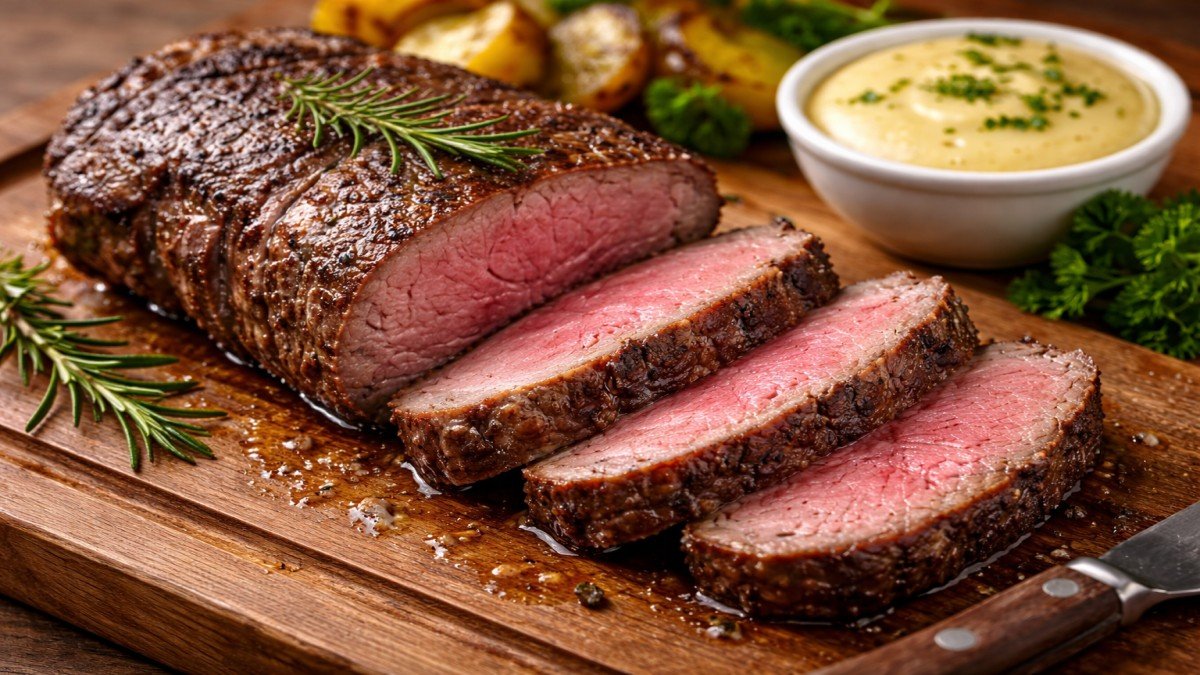
Some steaks are meals. Others are events. Chateaubriand firmly belongs to the second category. Rich in history, melt-in-your-mouth tender, and unapologetically elegant, this legendary French steak has been turning ordinary dinners into fine-dining experiences for centuries. If filet mignon is refined, chateaubriand is royalty.
What Is Chateaubriand?
Definition and Meaning
Chateaubriand is a thick, center-cut portion of beef tenderloin, traditionally prepared for two people. It’s prized for its exceptional tenderness rather than intense beefy flavor.
Why It’s Considered a Luxury Steak
Because it comes from the very heart of the tenderloin—an area that does almost no work—the cut is scarce, delicate, and expensive. Think of it as the silk pillow of steaks.
The History of Chateaubriand
French Culinary Origins
Chateaubriand originated in 19th-century France, during a time when French cuisine was defining fine dining for the world.
The Man Behind the Name
The dish is named after François-René de Chateaubriand, a French writer and diplomat. Legend says his personal chef created the dish specifically for him.
Which Cut Is Chateaubriand?
Tenderloin Explained
Chateaubriand comes from the thickest center portion of the beef tenderloin. This is the same muscle used for filet mignon, just cut much thicker.
Difference Between Chateaubriand and Filet Mignon
Filet mignon is typically a single-serving steak. Chateaubriand is larger, meant to be sliced and shared, making it ideal for romantic or celebratory meals.
Why Chateaubriand Is So Tender
Muscle Structure and Texture
The tenderloin muscle barely moves, which means minimal connective tissue. The result? A steak so soft it practically yields to the fork.
Traditional Chateaubriand Recipe
Classic French Preparation
Traditionally, chateaubriand is:
- Seared in butter
- Finished in the oven
- Rested generously
- Sliced thick and served with sauce
Cooking Temperatures and Timing
Medium-rare is king here. Overcooking chateaubriand is like putting ketchup on a vintage wine—technically allowed, emotionally painful.
Chateaubriand Sauce Options
Béarnaise Sauce
The most classic pairing. Rich, buttery, and infused with tarragon, Béarnaise elevates the steak without overpowering it.
Other Classic Pairings
- Red wine reduction
- Peppercorn sauce
- Mushroom cream sauce
Each brings a different personality to the dish.
How Chateaubriand Tastes
Flavor Profile
Chateaubriand is mild, buttery, and incredibly smooth. It doesn’t shout—it whispers luxury. That’s why sauces and sides matter so much.
Chateaubriand vs Other Premium Steaks
Ribeye, T-Bone, and Filet Compared
- Ribeye: More fat, more flavor
- T-Bone: Two textures in one
- Filet Mignon: Similar tenderness, smaller cut
Which One Is Best?
If tenderness is your top priority, chateaubriand wins. If you crave bold beefiness, ribeye takes the crown.
Best Side Dishes for Chateaubriand
Classic French Sides
- Pommes frites
- Mashed potatoes
- Green beans with butter
- Roasted asparagus
Simple sides let the steak shine.
Serving and Presentation
Fine-Dining Style Plating
Chateaubriand is traditionally sliced tableside and served elegantly. Presentation matters—it’s part of the experience.
Cooking Chateaubriand at Home
Tips for Home Chefs
- Use a meat thermometer
- Let it rest properly
- Don’t skip the sauce
Common Mistakes to Avoid
Overcooking, under-seasoning, and skipping the rest period are the fastest ways to ruin a premium cut.
Is Chateaubriand Worth the Price?
Value and Experience
Chateaubriand isn’t everyday food—it’s a celebration steak. When cooked right, the experience easily justifies the cost.
Conclusion
Chateaubriand isn’t just a steak; it’s a statement. Elegant, tender, and steeped in French culinary history, it represents the art of restraint—where simplicity, technique, and quality come together. Whether enjoyed at a fine restaurant or prepared carefully at home, chateaubriand turns dinner into a moment worth remembering.
FAQs
1. Is chateaubriand the same as filet mignon?
No, but both come from the tenderloin. Chateaubriand is thicker and meant to be shared.
2. How should chateaubriand be cooked?
Medium-rare is ideal to preserve tenderness and flavor.
3. What sauce goes best with chateaubriand?
Béarnaise sauce is the traditional and most popular choice.
4. Is chateaubriand expensive?
Yes, due to its limited availability and premium quality.
5. Can beginners cook chateaubriand at home?
Yes, with care, proper temperature control, and patience.