



Introduction
Antrum of Stomach. The human digestive system is a marvel of biological engineering, with each part playing a unique role in processing the food we eat. One such important region is the antrum of the stomach, a key component in digestion that acts as both a mechanical grinder and a chemical processor. Understanding its structure, function, and potential disorders helps us appreciate how vital this small yet powerful part of the stomach truly is.
What Is the Antrum of the Stomach?
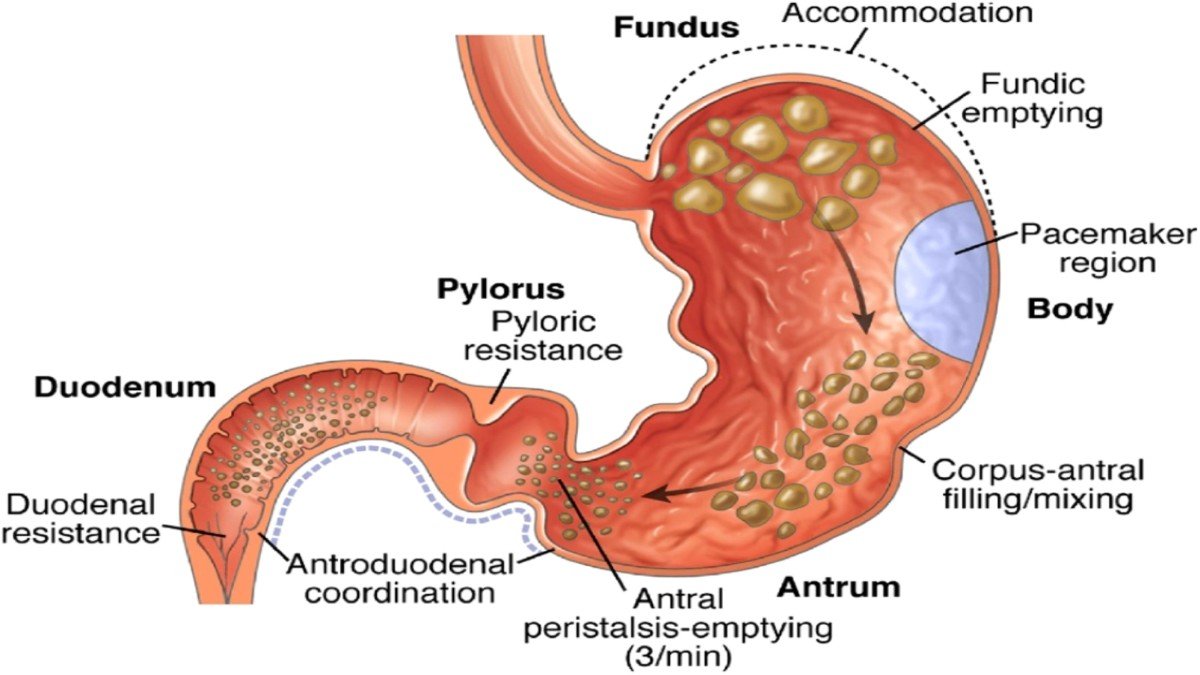
The antrum of the stomach, also called the pyloric antrum, is the lower portion of the stomach located near the pylorus the passage connecting the stomach to the duodenum (the first part of the small intestine). It serves as a crucial mixing chamber where partially digested food (chyme) is prepared before it moves into the intestines.
Anatomical Location of the Antrum
1. Position in the Digestive System
The stomach is divided into four main regions: the cardia, fundus, body, and antrum. The antrum lies between the body of the stomach and the pyloric canal, ending at the pyloric sphincter, which regulates the flow of chyme into the duodenum.
2. Structure and Appearance
The antrum has a thick muscular wall and a lining rich in glands that secrete mucus and digestive enzymes. Its internal surface has rugae—folds that allow it to expand when food enters the stomach.
Functions of the Antrum of the Stomach
The antrum performs multiple essential roles that contribute to efficient digestion.
1. Mechanical Digestion
Through rhythmic contractions known as peristaltic waves, the antrum grinds and churns food into a semi-liquid substance called chyme. These contractions also push the chyme toward the pylorus.
2. Chemical Digestion
The antrum secretes gastric juices containing mucus, pepsinogen, and gastrin, which aid in breaking down proteins and protecting the stomach lining from acidity.
3. Hormonal Regulation
Specialized G cells in the antrum release gastrin, a hormone that stimulates acid production in the upper parts of the stomach and promotes digestive motility.
4. Food Propulsion
The antrum acts as a gatekeeper by controlling the passage of food into the small intestine through the pyloric sphincter, ensuring only properly digested chyme moves forward.
The Role of G Cells in the Antrum
G cells are a type of enteroendocrine cell found abundantly in the antral mucosa. When food enters the stomach, G cells are activated to release gastrin. This hormone:
- Increases gastric acid secretion by parietal cells.
- Enhances gastric motility.
- Promotes the growth of the stomach lining.
Excess gastrin, however, can lead to excessive acid production, resulting in ulcers and gastritis.
Histology of the Antrum
Under a microscope, the antral mucosa reveals:
- Mucous glands that protect the stomach wall.
- G cells and D cells that regulate acid secretion.
- Smooth muscle layers responsible for contractions.
This structure ensures that the antrum is both protective and efficient in churning food.
Difference Between Antrum and Pylorus
Though closely related, the antrum and pylorus are distinct:
| Feature | Antrum | Pylorus |
|---|---|---|
| Location | Lower part of the stomach before the pyloric canal | Terminal part connecting to duodenum |
| Function | Grinding and mixing food | Regulating passage of chyme |
| Secretions | Mucus, gastrin | Mucus only |
| Muscularity | Moderate | Very thick (forms pyloric sphincter) |
Common Disorders of the Antrum
Several medical conditions can affect the antrum’s normal function:
1. Gastritis
Inflammation of the stomach lining, often caused by Helicobacter pylori infection, alcohol, or NSAIDs, can damage the antral mucosa, leading to pain, nausea, and indigestion.
2. Peptic Ulcer Disease
Ulcers may develop in the antrum due to excessive acid or infection, leading to burning pain and sometimes bleeding.
3. Antral Polyps
These are benign growths that can form due to chronic inflammation or prolonged acid suppression therapy.
Conclusion
The antrum of the stomach may be small, but its contribution to digestion is immense. It acts as both a grinder and a regulator—breaking food into digestible portions and ensuring a smooth transition into the intestines. Maintaining its health through proper diet, lifestyle, and medical care ensures the digestive system runs like a well-oiled machine.
FAQs
1. What is the main function of the antrum of the stomach?
Its main role is to grind food and regulate the release of chyme into the duodenum.
2. What hormones are secreted in the antrum?
The antrum primarily secretes gastrin, a hormone that stimulates gastric acid production.
3. Can the antrum get infected?
Yes, bacterial infections, especially H. pylori, commonly affect the antral region.
4. What happens if the antrum is inflamed?
Inflammation, known as antral gastritis, can cause pain, bloating, and impaired digestion.
5. Is the antrum part of the small intestine?
No, it’s part of the stomach, located just before the pylorus leading to the small intestine.