




Introduction to Bat Fish
What Is a Bat Fish?
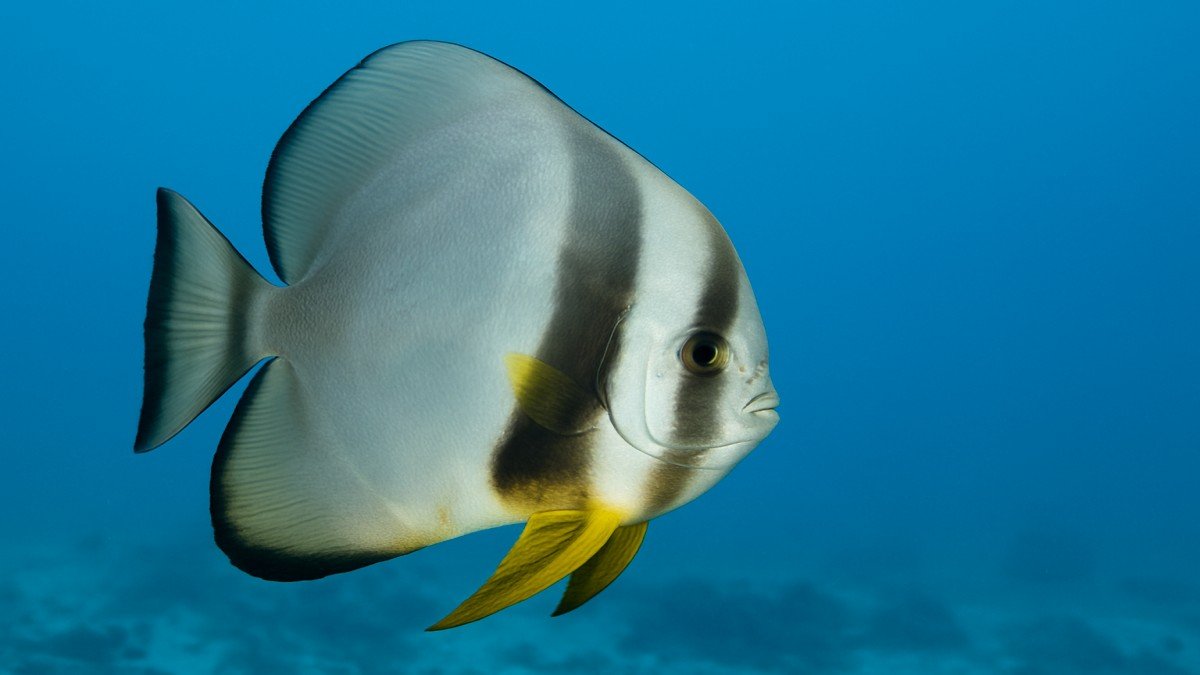
A bat fish is a unique marine species known for its unusual body shape, striking appearance, and calm behavior. These fish are named for their bat-like fins, which make them look almost winged as they glide through the water. They belong to the Ephippidae family and are found in oceans across the world.
Why Do They Stand Out in the Marine World?
Unlike typical reef fish, bat fish have a slow, graceful swimming style that draws attention instantly. Their distinct silhouette and curious personality make them favorites among divers, marine photographers, and aquarium enthusiasts.
Types of Bat Fish
Longfin Batfish
These are known for their super-long, flowing fins that give them a dramatic, elegant look. Juveniles are especially attractive with their wavy fin patterns.
Orbicular Batfish
Round and flat, the orbicular batfish looks like a living pancake. They grow quite large and have a silver body with black bands.
Pinnate Batfish
Famous for their bright orange outlines when young, pinnate batfish change dramatically as they grow, turning into a completely different fish in adulthood.
Freshwater vs. Saltwater Bat Fish
Most bat fish are saltwater species, but some freshwater species get mislabeled as “bat fish.” True bat fish belong to the marine category.
Physical Characteristics
Shape and Body Structure
Bat fish are known for their thin, disc-like bodies and oversized fins. Their tall dorsal and anal fins give them their signature “bat-wing” appearance.
Color Patterns
Depending on the species, bat fish can display:
- Silver
- Black stripes
- Golden edges
- Deep orange markings
Their color often changes as they age.
Growth and Size Range
Bat fish can grow anywhere from 6 inches up to 24 inches, making them larger than many aquarium fish.
Natural Habitat
Geographic Distribution
They are commonly found in:
- The Indo-Pacific region
- Red Sea
- Australian coasts
- Pacific islands
Preferred Water Conditions
Bat fish thrive in warm, tropical oceans with stable temperatures and clean, oxygen-rich water.
Marine Environments They Thrive In
You can spot them in:
- Coral reefs
- Coastal waters
- Seagrass beds
- Mangrove areas
Behavior and Lifestyle
Swimming Patterns
Bat fish are slow swimmers, moving gracefully with their wing-like fins. Their motion is almost hypnotic—like they’re floating rather than swimming.
Social Behavior
They’re generally peaceful and can be seen swimming alone or in small groups.
Diet in the Wild
They feed on:
- Small invertebrates
- Algae
- Jellyfish
- Shrimp
Bat Fish in Aquariums
Are They Suitable for Home Aquariums?
Bat fish are beautiful—but not ideal for beginners. They require large tanks and stable water conditions.
Tank Requirements
They need:
- A tank of 180 gallons or more
- Plenty of swimming space
- Stable temperature and salinity
- Smooth decorations
Compatible Tank Mates
Choose peaceful tank mates like:
- Tangs
- Angelfish
- Clownfish
Avoid aggressive species.
Feeding Bat Fish in Captivity
Best Foods to Offer
They enjoy:
- Frozen shrimp
- Marine pellets
- Brine shrimp
- Seaweed sheets
Feeding Frequency
Feed them 2–3 times a day in small portions.
What to Avoid
Avoid overly large foods or aggressive feeders that steal their meals.
Breeding and Reproduction
How They Reproduce in Nature
Bat fish reproduce by releasing eggs and sperm into open water during spawning.
Challenges of Breeding in Captivity
Replicating their natural spawning environment is extremely difficult, making captive breeding rare.
Common Health Issues
Diseases They Are Prone To
- Ich
- Fin infections
- Parasites
Prevention and Treatment Tips
Keep their water clean, feed them well, and quarantine new tank mates.
Interesting Facts About Bat Fish
Unique Behaviors
Juvenile bat fish often mimic poisonous flatworms to avoid predators. Pretty clever, right?
Misconceptions
Many people think bat fish are aggressive—when actually they’re gentle giants.
Conservation Status
Threats They Face
- Habitat destruction
- Overfishing
- Pollution
Protection Efforts
Marine reserves and conservation laws help protect them.
Final Thoughts
Bat fish are some of the most stunning creatures in the ocean. Their graceful movements, unique shapes, and peaceful nature make them true underwater gems. Whether you’re a diver or an aquarist, learning about these majestic fish helps you appreciate the wonders of marine life even more.
FAQs
1. Are bat fish hard to keep in aquariums?
Yes, they require large tanks and advanced care.
2. How big can a bat fish grow?
Some species reach up to 24 inches.
3. What do bat fish eat?
They eat shrimp, algae, jellyfish, and small marine foods.
4. Are bat fish aggressive?
Not at all—they are peaceful.
5. Can you breed bat fish at home?
Breeding them in captivity is extremely rare and difficult.