


Introduction
If you’ve ever seen a deep red or purple vegetable staining your cutting board, you’ve met betabel also known as beetroot. This colorful root isn’t just pretty; it’s a nutritional powerhouse packed with vitamins, minerals, and antioxidants. From improving blood flow to detoxifying the liver, betabel has earned its title as one of nature’s finest superfoods.
What Is Betabel?
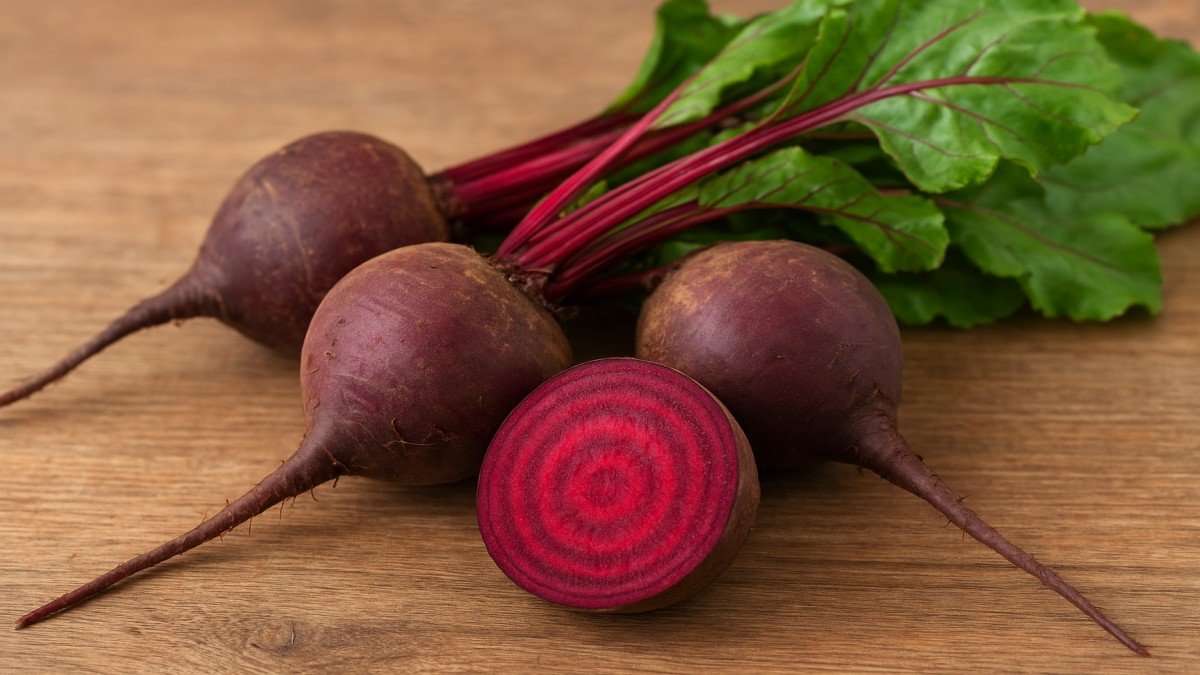
Betabel is the Spanish term for beetroot, the edible root of the Beta vulgaris plant. While many people know it for its bright red hue, betabel also comes in golden, white, and striped varieties. Both the root and its leafy greens are edible and highly nutritious.
Origin and History of Betabel
Betabel has been cultivated for thousands of years. Ancient civilizations like the Romans and Greeks valued it for its medicinal properties, using it to treat digestion and blood disorders. Originally grown for its leafy greens, it wasn’t until the 16th century that people began eating the root itself.
Today, betabel is enjoyed around the world — from Mexican betabel salads to Eastern European borscht soups.
Nutritional Profile of Betabel
Vitamins and Minerals
Betabel is low in calories yet loaded with nutrients. A single serving provides:
- Vitamin C – boosts immunity and skin health
- Folate (Vitamin B9) – supports cell growth and DNA formation
- Potassium – regulates blood pressure
- Manganese – aids metabolism and bone health
- Iron – helps produce red blood cells
Antioxidants and Phytonutrients
The vibrant color of betabel comes from betalains, powerful antioxidants known for reducing inflammation and oxidative stress. These compounds help the body fight off free radicals, protecting against chronic diseases.
Health Benefits of Betabel
Improves Heart Health
Betabel contains nitrates, natural compounds that the body converts into nitric oxide. This helps relax blood vessels, improving circulation and lowering blood pressure — a key factor in preventing heart disease.
Boosts Energy and Stamina
Many athletes drink betabel juice before workouts because it improves oxygen efficiency. Studies show that betabel can enhance endurance and reduce fatigue, making it an excellent natural energy booster.
Supports Liver Detoxification
Betabel is rich in betaines, which support liver function by helping the organ process toxins more efficiently. This makes it a powerful food for detox and cleansing routines.
Enhances Brain Function
As we age, blood flow to the brain decreases, leading to cognitive decline. The nitrates in betabel improve blood flow to the brain, enhancing memory, focus, and cognitive performance.
Promotes Healthy Skin
Thanks to its high antioxidant and vitamin C content, betabel helps combat free radicals, reduce acne, and promote glowing, youthful skin.
Betabel for Athletes and Fitness Enthusiasts
If you hit the gym often, betabel should be part of your diet. Its nitrates increase oxygen utilization, which means your muscles work more efficiently during workouts. Drinking beetroot juice 2–3 hours before exercise can improve performance and reduce post-workout soreness.
Betabel and Blood Pressure Management
Betabel’s natural nitrates have been scientifically proven to lower systolic and diastolic blood pressure. Regular consumption of beet juice or cooked beets may help manage hypertension, reducing the risk of strokes and heart attacks.
Conclusion
From its deep red color to its remarkable health benefits, betabel truly stands out as a superfood. It supports your heart, boosts energy, improves digestion, and enhances your skin — all while tasting naturally sweet and earthy. Whether you drink it as juice, toss it into a salad, or roast it for dinner, betabel deserves a regular spot on your plate. Small root, big impact — that’s the power of betabel!
FAQs
1. What is betabel called in English?
Betabel is the Spanish word for beetroot, a nutrient-rich root vegetable.
2. Can I eat betabel raw?
Yes! You can eat it raw in salads or smoothies, though some prefer it cooked for a softer texture.
3. How much betabel should I eat daily?
One medium beet per day is enough to enjoy its benefits without side effects.
4. Does betabel help with weight loss?
Yes, it’s low in calories and high in fiber, helping you feel full longer and aiding weight management.
5. Why does my urine turn red after eating betabel?
That’s beeturia, a harmless condition caused by beet pigments passing through your system.