


Introduction
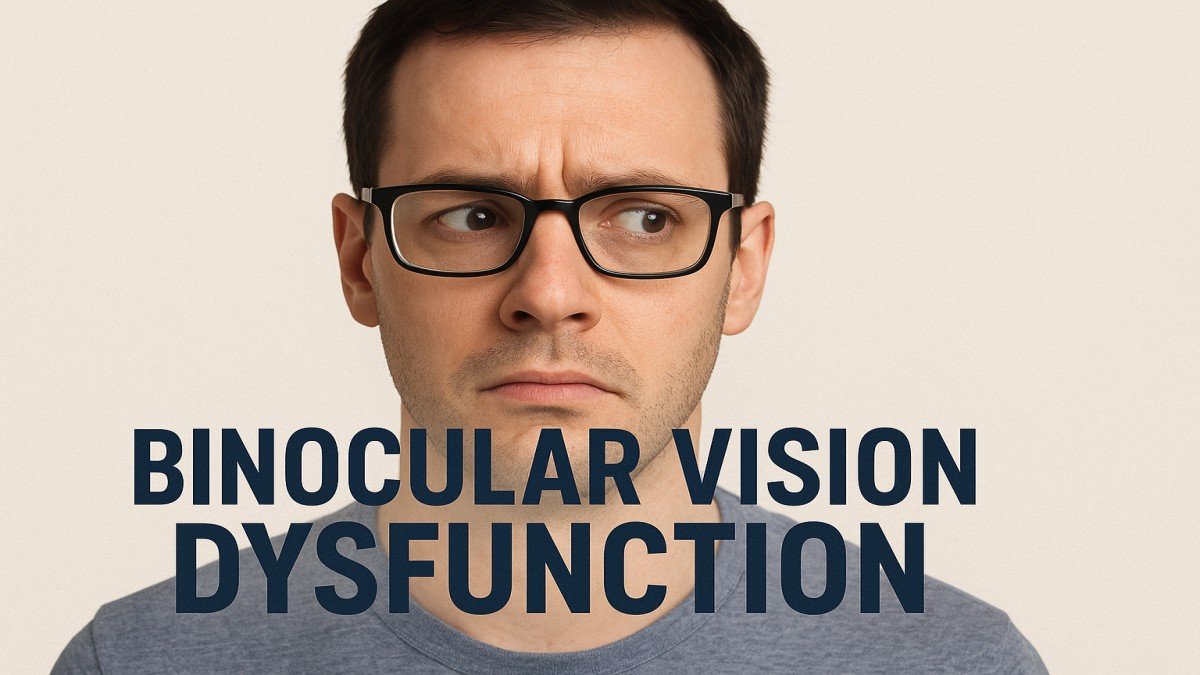
Have you ever experienced headaches, dizziness, or trouble focusing while reading or driving, even though your eye exam showed 20/20 vision? If so, you may have Binocular Vision Dysfunction (BVD), a condition that often goes undiagnosed but can significantly affect daily life. Let’s break down what it is, why it happens, and how it can be managed.
What Is Binocular Vision Dysfunction?
Binocular Vision Dysfunction occurs when your eyes don’t work together as they should. Normally, both eyes align perfectly to create a single, clear image. With BVD, however, the eyes are slightly misaligned, causing the brain to struggle with processing two different images.
How Does BVD Happen?
There are two main causes:
- Muscle imbalance – The tiny muscles controlling eye movement don’t coordinate properly.
- Neurological issues – The brain struggles to process signals from both eyes.
Even a minor misalignment can lead to significant symptoms.
Common Symptoms of Binocular Vision Dysfunction
- Frequent headaches or migraines
- Dizziness and balance issues
- Eye strain and fatigue
- Blurred or double vision
- Trouble reading or concentrating
- Anxiety while driving (especially on highways)
- Poor depth perception
These symptoms are often mistaken for other conditions like vertigo, anxiety, or chronic migraines.
Types of Binocular Vision Dysfunction
Vertical Heterophoria (VH)
A small vertical misalignment between the eyes that leads to eye strain, headaches, and dizziness.
Convergence Insufficiency (CI)
Difficulty focusing on near objects, common in students and people working long hours on computers.
Divergence Excess or Insufficiency
Problems with eye alignment when focusing on distant objects.
Who Is at Risk?
BVD can affect anyone, but it’s more common in:
- Children with reading or learning difficulties
- Adults with traumatic brain injury or concussion
- People with a family history of eye muscle imbalances
How Is BVD Diagnosed?
Traditional eye exams may not catch BVD. Instead, specialized tests by a neuro-visual optometrist are needed. These include:
- Detailed eye alignment tests
- Symptom questionnaires
- Prism lens trials to check response
Treatment Options for Binocular Vision Dysfunction
Prism Glasses
The most common solution. These glasses contain special lenses that bend light, compensating for the misalignment and reducing strain.
Vision Therapy
Eye exercises designed to strengthen coordination between the eyes.
Lifestyle Adjustments
Taking breaks from screens, improving lighting, and practicing posture can help reduce symptoms.
How Prism Glasses Help
Imagine forcing two puzzle pieces together that don’t quite fit—that’s what your brain does with misaligned vision. Prism glasses realign the puzzle, allowing your brain to relax and process a single image without overworking. Many patients report instant relief when trying them for the first time.
The Link Between BVD and Anxiety
Interestingly, people with BVD often experience heightened anxiety, especially while driving or navigating crowded spaces. This happens because poor depth perception and balance create a sense of instability, making the brain feel unsafe.
Binocular Vision Dysfunction in Children
For kids, BVD can look like:
- Skipping lines while reading
- Trouble concentrating in school
- Complaints of tired eyes
- Avoiding reading altogether
Since children can’t always express what they’re experiencing, BVD is often misdiagnosed as ADHD or a learning disability.
Living With BVD
The good news? With proper treatment, most people experience significant improvement. Regular follow-ups with a neuro-visual specialist, consistent use of prism glasses, and eye exercises can make symptoms manageable—or even eliminate them.
Myths About Binocular Vision Dysfunction
- “It’s just in your head.” → No, it’s a real physical condition.
- “Only kids get it.” → Adults, especially after concussions, can also develop BVD.
- “Prism glasses are just regular glasses.” → They’re highly customized and require precise fitting.
Conclusion
Binocular Vision Dysfunction is a hidden but impactful condition that can affect everything from reading a book to feeling safe on the road. While it often goes undetected in routine eye exams, specialized testing and treatments like prism glasses can provide life-changing relief. If you’ve been struggling with unexplained headaches, dizziness, or visual discomfort, it may be worth exploring whether BVD is the missing piece of the puzzle.
FAQs
1. Can BVD be cured permanently?
Some cases improve with vision therapy, but most people manage symptoms long-term with prism glasses.
2. Can BVD develop after a head injury?
Yes, concussions and traumatic brain injuries are common triggers.
3. Are prism glasses covered by insurance?
Sometimes, but coverage varies depending on your provider and plan.
4. Can children outgrow BVD?
Not always, but early treatment can make it easier to manage and reduce long-term effects.
5. How long does it take to notice improvement with prism glasses?
Many people feel relief almost immediately, while others may need a few weeks to fully adjust.