


Introduction to Bone Stimulators
If you’ve recently suffered a fracture or you’re struggling with slow bone healing, you’ve probably heard about bone stimulators. These devices are becoming increasingly popular among doctors and patients because they help speed up the bone healing process safely and effectively.
What Is a Bone Stimulator?
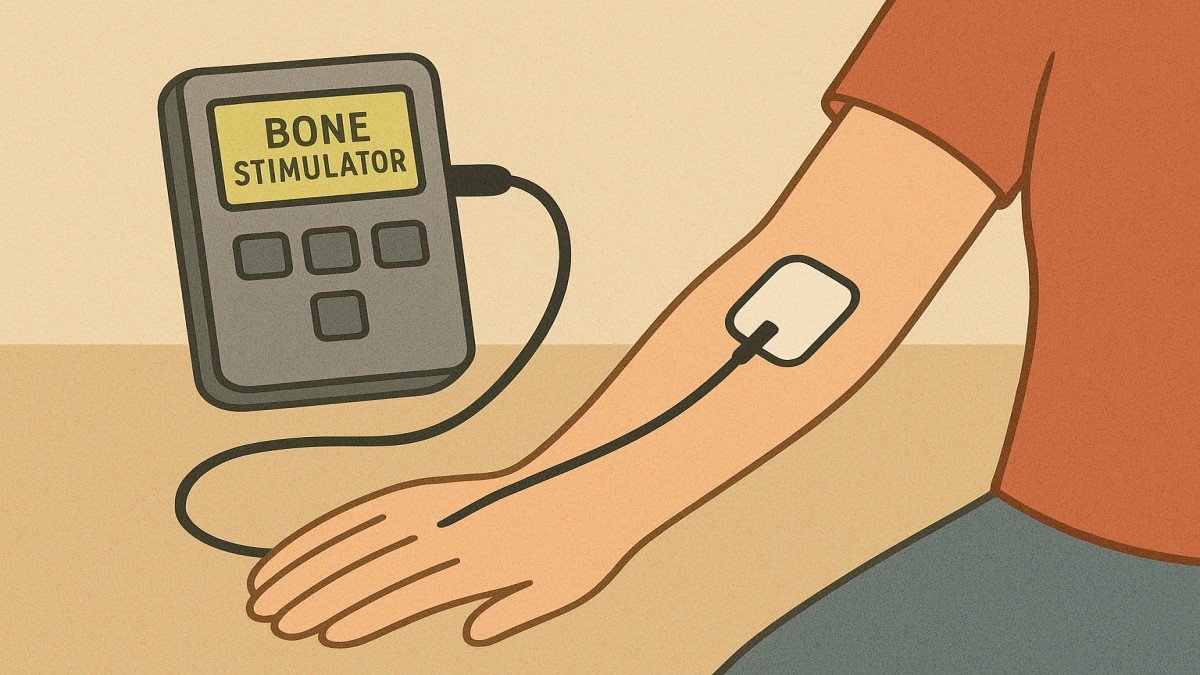
A bone stimulator is a medical device designed to encourage bone healing. It does this by using electrical or ultrasound waves to stimulate the body’s natural bone-forming cells.
How It Works
Your bones naturally produce electrical signals when stressed. These signals activate healing. A bone stimulator mimics these natural signals, telling the body to build new bone tissue.
The Science Behind Bone Growth
Bone healing is a biological process that relies on blood supply, nutrients, and cellular activity. Bone stimulators enhance cell activity, helping the healing process move quicker.
Types of Bone Stimulators
Electrical Bone Stimulators
These devices send low-level electrical signals to the fracture site to promote healing.
Ultrasound Bone Stimulators
These use low-intensity pulsed ultrasound (LIPUS). Many patients find them comfortable because they’re painless and easy to use.
Invasive vs. Non-Invasive Devices
- Non-invasive: Worn externally; most common type.
- Invasive: Surgically implanted; used only for severe cases.
Conditions Bone Stimulators Treat
Fractures
They help treat fresh fractures, especially when healing slowly.
Nonunion and Delayed Union
If a bone stops healing or heals too slowly, a bone stimulator can restart the healing process.
Spinal Fusion Surgery
Doctors often prescribe stimulators after spinal fusion to increase the chances of successful bone fusion.
How Effective Are Bone Stimulators?
Clinical Research
Studies show that bone stimulators can significantly increase the rate of healing in patients with nonunion fractures.
Success Rates
Many patients experience healing improvements within 3–6 months of use.
How to Use a Bone Stimulator
Daily Usage
Most devices must be used every day, anywhere from 20 minutes to several hours depending on the model.
Placement and Duration
The device must be placed exactly over the fracture site. Your doctor will guide you on correct placement.
What to Avoid
Do not use the device without approval if you have a pacemaker, or if the skin around the fracture area is irritated.
Benefits of Using a Bone Stimulator
Faster Healing
The biggest benefit—bone stimulators can reduce healing time significantly.
Reduced Need for Surgery
Many people avoid additional surgery thanks to these devices.
Pain Relief Support
Although not designed for pain relief, many patients report decreased discomfort as healing improves.
Potential Risks and Side Effects
Skin Irritation
Some users may notice mild redness or itching under the device.
Discomfort
A small number may feel slight tingling during treatment.
Contraindications
Pregnant women and individuals with implanted electrical devices should avoid use unless advised by a doctor.
Who Should Use a Bone Stimulator?
High-Risk Patients
Those with diabetes, smokers, or patients with poor bone density benefit greatly.
Athletes
Athletes use bone stimulators to return to sport faster.
Elderly Patients
Older adults often experience slower healing, making them ideal candidates.
Cost and Insurance Coverage
Price Range
They typically cost between $500 and $5,000 depending on the model.
Insurance Reimbursement
Many insurance companies cover them when medically necessary.
Tips for Best Healing Results
Nutrition
Eat foods rich in calcium, vitamin D, and protein.
Lifestyle
Avoid smoking and limit alcohol intake—both slow bone healing.
Medical Follow-ups
Regular check-ups ensure the bone is healing as expected.
Choosing the Right Bone Stimulator
Doctor Recommendations
Always ask your healthcare provider which device suits your needs.
Device Features
Look for ease of use, treatment duration, and portability.
Conclusion
Bone stimulators offer a safe, effective, and non-invasive way to support and speed up bone healing. Whether you’re dealing with a fresh fracture, a stubborn nonunion, or recovering from spinal fusion surgery, these devices can make a significant difference in your recovery journey. With proper use, good nutrition, and regular medical guidance, you can enhance your healing process and get back to your daily activities faster.
FAQs
1. Are bone stimulators painful?
No, they are painless and comfortable for most users.
2. How long do I need to use a bone stimulator each day?
This varies, but most require 20 minutes to 4 hours daily.
3. Can I use a bone stimulator with metal implants?
Yes, they are generally safe with orthopedic implants.
4. How soon will I see results?
Many patients notice improvements within a few months.
5. Do bone stimulators require a prescription?
Yes, most devices require a doctor’s prescription.