




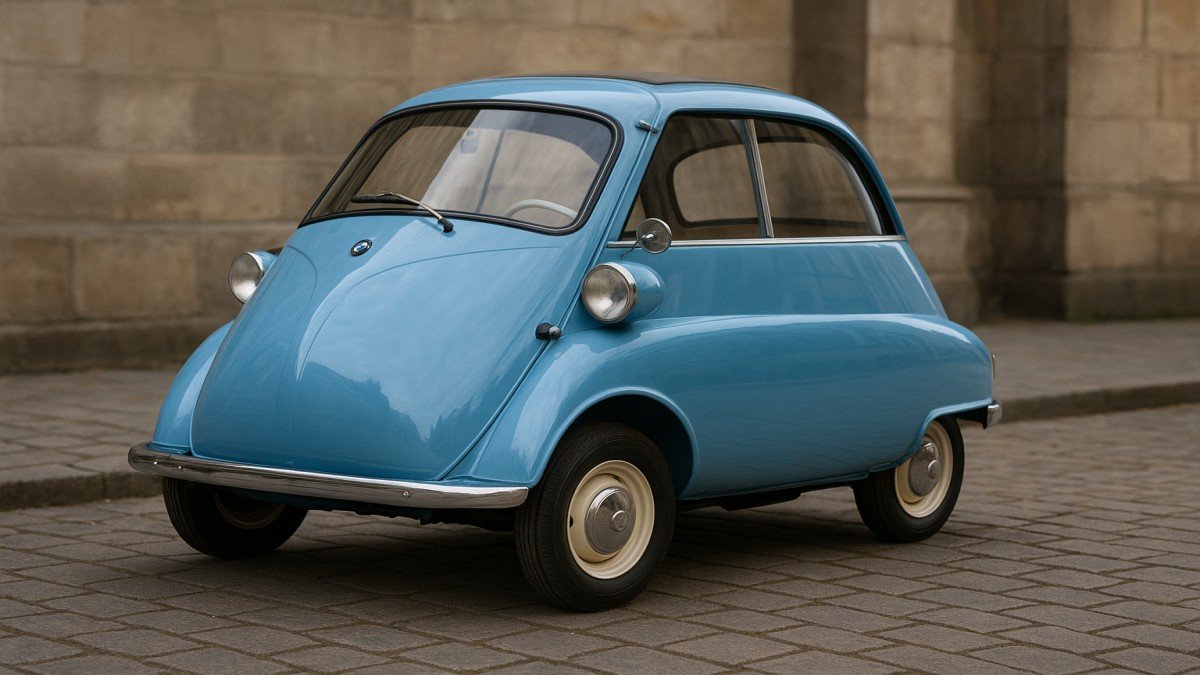
Introduction to Bubble Cars
What Is a Bubble Car?
Bubble cars are tiny, lightweight microcars known for their round, bubble-like shape. They gained popularity in the mid-20th century, especially across Europe, as an affordable, fuel-efficient alternative to traditional cars. Their compact size and quirky design made them standout icons in automotive history.
Origin of the Bubble Car Nickname
The name “bubble car” comes from the distinctive clear domes or rounded roofs found on some early models. Their curved windshields, small frames, and dome-like structures made them look like a bubble on wheels cute, compact, and incredibly unique.
History of Bubble Cars
Post-War Europe and the Need for Small Cars
After World War II, Europe faced a severe economic downturn. People needed cheap, efficient transportation, and companies needed to innovate quickly. Bubble cars became a cost-effective answer during a time when resources were scarce.
The Rise of Microcars
Microcars became the backbone of post-war mobility. Designed to be affordable, easy to produce, and incredibly fuel-efficient, they filled the gap between motorcycles and full-size automobiles.
Popular Bubble Car Models from the 1950s and 1960s
Some legendary models emerged during this era, including:
- BMW Isetta
- Messerschmitt KR200
- Heinkel Kabine
- Peel P50
Design Features of Bubble Cars
Iconic Bubble-Shaped Body
The round, aerodynamic shape wasn’t just cute—it improved efficiency and reduced material costs. The minimalistic design made bubble cars instantly recognizable worldwide.
Compact Interior and Seating
Most bubble cars were designed for one or two passengers. Some models even required entering from a front-opening door, much like stepping into a small pod.
Lightweight Frame and Fuel Efficiency
Weighing far less than traditional cars, bubble cars consumed minimal fuel, making them wallet-friendly and ideal for short commutes.
Unique Front-Opening Doors
The BMW Isetta made this feature famous. The entire front wall of the car swung open, steering wheel included, to let the driver in—it was unconventional but innovative.
Advantages of Bubble Cars
Low Cost of Ownership
From fuel to maintenance, bubble cars were incredibly inexpensive to operate. Their simple engines and lightweight frames kept repair costs minimal.
Easy Parking and City Driving
If you live in a crowded city, you know the pain of squeezing into a small parking space. Bubble cars solved that problem decades ago—they were so tiny you could practically park them anywhere.
Excellent Fuel Economy
With engines smaller than many motorcycles, bubble cars were pioneers of fuel-efficient transportation long before eco-friendly vehicles became mainstream.
Limitations of Bubble Cars
Limited Passenger Space
Most bubble cars fit only one or two people. Definitely not family-friendly, but perfect for solo mobility.
Modest Engine Power
Speed wasn’t their strong suit. Bubble cars were built for practicality, not performance.
Safety Challenges of Early Designs
Early models lacked modern safety features. Thin frames and minimal protection made them less safe than today’s vehicles.
Popular Bubble Car Models
BMW Isetta
Perhaps the most famous bubble car ever made, the Isetta featured a distinctive front door and a tiny engine. It played a key role in saving BMW from financial collapse.
Messerschmitt KR200
Shaped like an airplane cockpit, the KR200 was designed by an aircraft company and came with a tandem seating layout.
Heinkel Kabine
Known for its reliability, Heinkel Kabine blended function with simplicity.
Peel P50 (World’s Smallest Car)
This Guinness World Record-holding car is only 54 inches long. It’s tiny, adorable, and unforgettable.
Modern Rebirth of Bubble Cars
Modern Electric Mini-Cars
Today’s EV market is filled with vehicles inspired by bubble car concepts. Compact, affordable, and eco-friendly options like micro-EVs continue the legacy.
Eco-Friendly Urban Mobility
Bubble cars represent the future of green transportation—efficient, small, and perfect for reducing emissions.
How Bubble Car Design Inspires Today’s EVs
Rounded shapes, compact interiors, and lightweight builds continue influencing modern city-focused electric vehicles.
Conclusion
Bubble cars might be small, but their impact on automotive history is massive. Born from necessity, shaped by innovation, and remembered for their charm, bubble cars continue to inspire modern compact and electric vehicles. Whether you’re fascinated by their design, interested in collecting them, or simply love their quirky story, bubble cars remain timeless symbols of creativity and simplicity
FAQs
1. Why are bubble cars called “bubble cars”?
They get their nickname from their rounded, bubble-like shape and clear dome-style roofs.
2. Are bubble cars still made today?
While original models are no longer produced, modern micro-EVs capture their spirit.
3. How fast can bubble cars go?
Most classic models reach speeds of 45–60 km/h, depending on the engine.
4. Are bubble cars safe?
Early versions lacked modern safety features, but they were adequate for low-speed city use.
5. What is the rarest bubble car?
The Peel P50 is one of the rarest and most collectible bubble cars ever made.