


Introduction to Callouses
Ever noticed a thick patch of skin on your hands or feet that feels tougher than the rest? That’s a callous—a natural defense mechanism your body uses to protect itself from constant friction and pressure.
What Are Callouses?
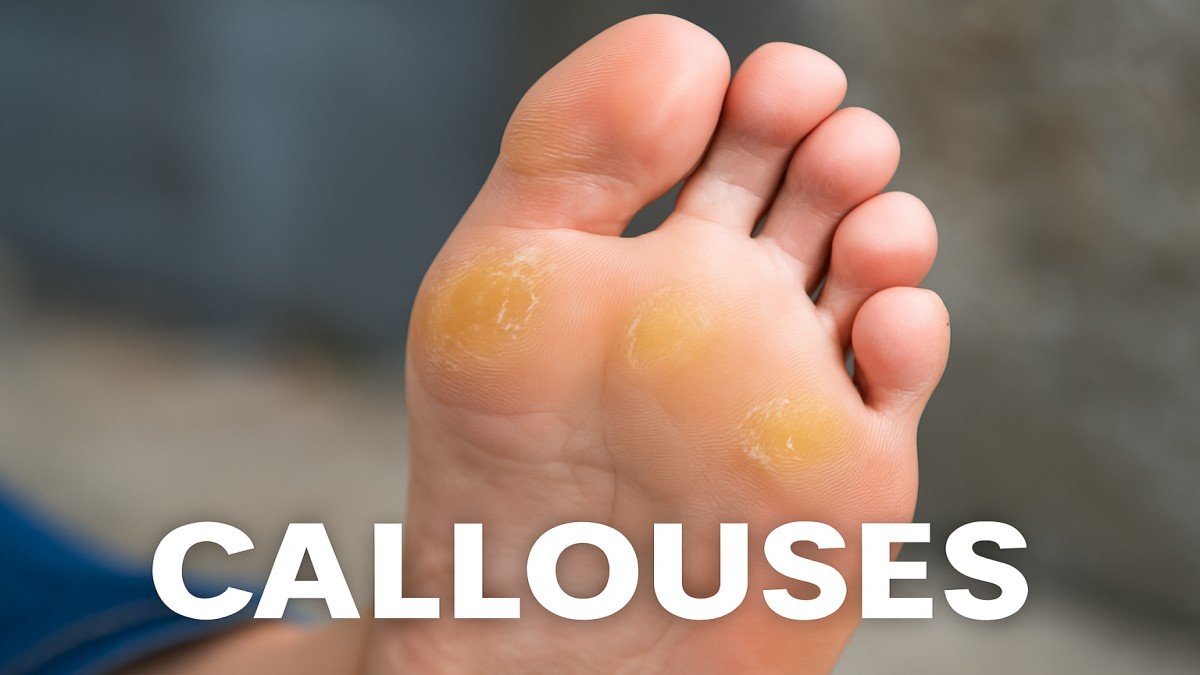
Callouses are areas of thickened skin that develop over time in response to repeated friction, rubbing, or pressure. They usually appear on the feet, hands, or fingers.
Difference Between Callouses and Corns
While both are forms of thickened skin, corns are smaller, more defined, and can be painful when pressed. Callouses, on the other hand, cover a larger area and are usually painless.
Causes of Callouses
Friction and Pressure
The main reason callouses form is because your skin is trying to protect itself. Whether it’s from walking barefoot, wearing ill-fitting shoes, or gripping tools, the constant pressure tells your skin to toughen up.
Common Activities That Lead to Callouses
Walking and Running
Runners often develop callouses on the balls of their feet due to repetitive motion.
Manual Labor
Construction workers, mechanics, and gardeners frequently get callouses on their hands from handling tools.
Sports and Musical Instruments
Athletes and musicians—think guitarists or drummers—often develop callouses as part of their craft.
Footwear and Its Role
Shoes that are too tight or too loose can create excessive rubbing, leading to callous formation.
Symptoms of Callouses
Physical Appearance
They look like rough, thickened skin patches—often yellowish or gray in color.
Pain and Discomfort Levels
Most callouses are painless, but if they crack or grow too thick, discomfort can set in.
Risk Factors
Occupations at Higher Risk
Jobs that require repetitive hand or foot movement—such as farming, construction, or dancing—are prime callous breeders.
Medical Conditions That Increase Risk
People with bunions, hammertoes, or arthritis may develop callouses more easily due to altered gait or joint positioning.
Diagnosing Callouses
Self-Examination
If you notice rough, thick skin on high-friction areas, you’re likely looking at a callous.
When to See a Doctor
Seek professional help if the callous is painful, infected, or you have diabetes—since foot issues can escalate quickly.
Treatment Options
At-Home Remedies
Soaking and Exfoliating
Soak your feet or hands in warm water for 10–20 minutes, then gently rub the area with a pumice stone.
Moisturizing
Apply a thick cream or lotion to keep skin soft and prevent cracks.
Protective Pads
Gel pads or moleskin can reduce friction and give your skin a break.
Over-the-Counter Treatments
Salicylic acid creams can soften callouses, making them easier to remove.
Medical Interventions
Podiatrist Procedures
A podiatrist can safely trim thick skin without causing injury.
Orthotics
Custom shoe inserts can redistribute pressure and prevent recurrence.
Prevention Tips
Choosing Proper Footwear
Shoes should fit snugly but not tightly, with good cushioning.
Skin Care Routine for Hands and Feet
Regular moisturizing and exfoliation keep skin healthy and less prone to callousing.
Avoiding Prolonged Pressure
Take breaks during repetitive tasks to give your skin a rest.
Myths About Callouses
Do They Protect the Skin?
Yes, to some extent. But too much thick skin can cause pain and lead to cracks.
Can They Be Completely Prevented?
Not always—especially if your lifestyle involves a lot of friction—but they can be managed.
Conclusion
Callouses are your skin’s way of saying, “Hey, I need some protection here!” While they’re generally harmless, untreated callouses can become uncomfortable or even lead to complications. The good news? With the right care, you can keep them under control and prevent them from interfering with your daily life.
FAQs
1. Are callouses bad for you?
Not necessarily—they’re usually harmless unless they cause pain or cracks.
2. Can I cut off my callous at home?
It’s not recommended; you could injure yourself or cause infection.
3. Do callouses go away naturally?
Yes, if the friction or pressure causing them stops.
4. Are callouses contagious?
No—they’re a skin response, not an infection.
5. Can I prevent callouses without changing my job or sport?
Yes, with protective gear, proper footwear, and regular skin care.