




Introduction
Ceiling Fan Direction. Ceiling fans are one of the most energy-efficient and affordable ways to improve comfort in your home. However, many people don’t realize that the direction of a ceiling fan plays a major role in how well it helps cool or warm a room. Setting the blades in the right direction depending on the season can save energy, lower utility bills, and keep your living space more comfortable. Let’s break down everything you need to know.
Why Ceiling Fan Direction Matters
A ceiling fan doesn’t actually lower or raise the room temperature it circulates air. The blade direction determines whether the fan pushes cool air down for summer comfort or circulates warm air in winter. By simply flipping the direction switch on your fan, you can adjust airflow to suit the season.
How to Identify Your Ceiling Fan’s Direction
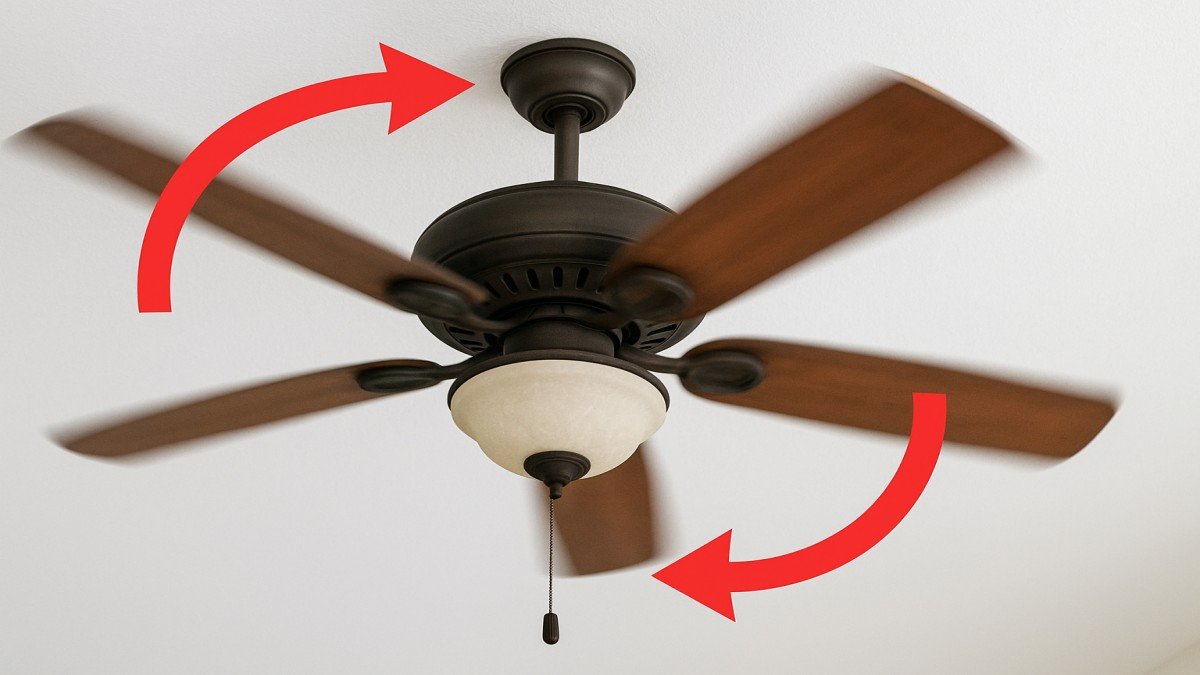
Stand directly under the fan while it’s running and watch the blades:
- Counterclockwise rotation: Air is pushed downward, creating a cool breeze.
- Clockwise rotation: Air is pulled upward, helping redistribute warm air.
Ceiling Fan Direction for Summer
Counterclockwise for Cooling
In the summer, set your fan to counterclockwise at a higher speed. This creates a wind-chill effect that makes you feel cooler, even if the thermostat remains unchanged.
- Helps reduce reliance on air conditioning.
- Can lower energy bills by allowing you to raise the thermostat 2–4 degrees without losing comfort.
Ceiling Fan Direction for Winter
Clockwise for Warmth
In the winter, reverse the fan so it spins clockwise at a low speed. Instead of pushing air down, it gently pulls cool air upward, forcing warm air (which naturally rises) to move along the walls and circulate back down.
- Prevents heat from gathering near the ceiling.
- Reduces strain on heating systems, saving energy.
Ceiling Fan Direction for Spring and Fall
During mild weather, you can adjust your fan speed and direction based on your comfort. Some people prefer to keep the fan off altogether, while others maintain a low counterclockwise spin to keep fresh air circulating indoors.
How to Change Ceiling Fan Direction
Most ceiling fans have a small switch on the motor housing.
- Turn the fan off.
- Locate the switch and flip it.
- Restart the fan and confirm the new direction.
Some modern fans come with remote controls or smart features, allowing you to change directions without climbing a ladder.
Tips for Maximizing Ceiling Fan Efficiency
- Use the right size fan for your room – Larger rooms require larger fan blades (52 inches or more).
- Adjust your thermostat – Take advantage of the fan’s wind-chill or heat-circulating effects.
- Clean fan blades regularly – Dust build-up reduces efficiency.
- Turn fans off when leaving a room – Fans cool or warm people, not spaces.
Energy Savings from Proper Fan Direction
- In summer, you may save up to 30% on cooling costs.
- In winter, proper circulation can reduce heating costs by 10% or more.
This makes ceiling fans an eco-friendly addition to any home.
Common Mistakes People Make
- Running the fan in the wrong direction year-round.
- Setting the fan on high speed in winter, which cancels out the warming effect.
- Believing ceiling fans lower room temperature rather than just creating airflow.
Ceiling Fan Direction with Air Conditioning
Fans and AC work beautifully together. Using your fan in counterclockwise mode while running the air conditioner helps spread cool air more effectively, allowing you to set the thermostat higher and save money.
Conclusion
Your ceiling fan is more than just a summer cooling device—it’s a year-round energy-saving tool when used correctly. By running your fan counterclockwise in summer and clockwise in winter, you can stay comfortable while cutting down on heating and cooling costs. With just the flick of a switch, you can make your home more efficient and cozy all year long.
FAQs
1. Which way should a ceiling fan turn in summer?
Counterclockwise, to push cool air down and create a wind-chill effect.
2. Does ceiling fan direction really make a difference?
Yes. It can save energy and improve comfort in both hot and cold weather.
3. Can I leave my ceiling fan on all night?
Yes, but remember fans don’t change room temperature—they just make you feel cooler.
4. What happens if I run my fan clockwise in summer?
It will circulate air upward, reducing the cooling effect and making you feel warmer.
5. Do ceiling fans help lower electricity bills?
Absolutely—by allowing you to adjust your thermostat and reduce reliance on AC or heating.