




Introduction
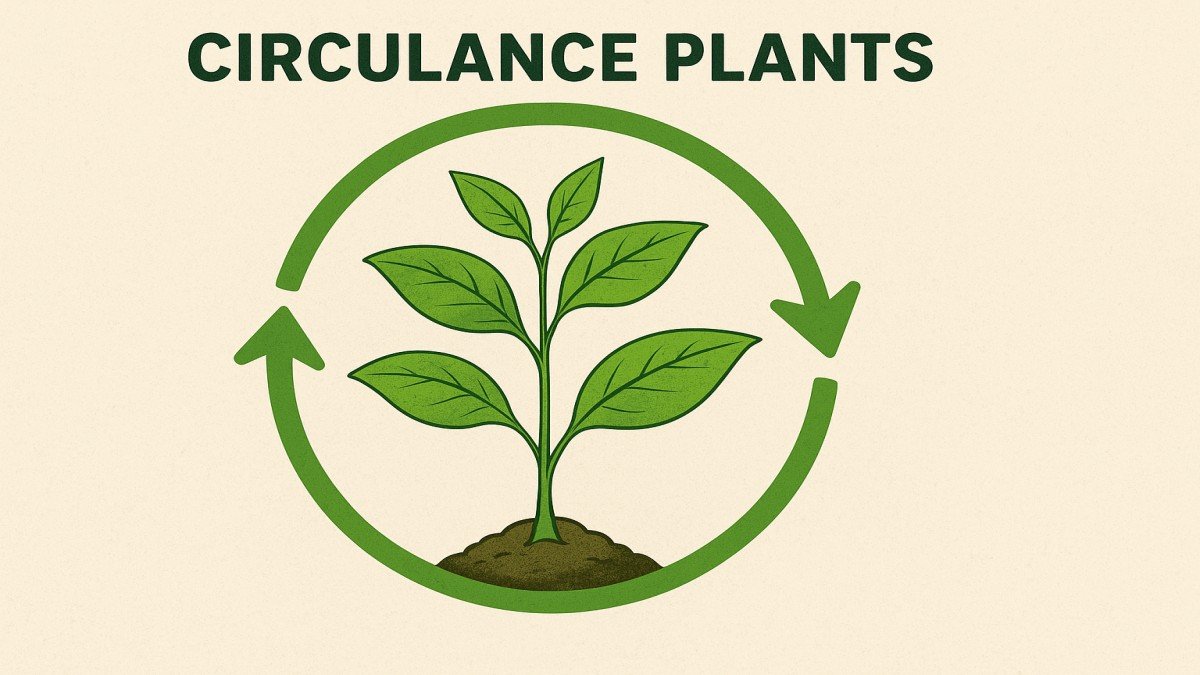
Circulance Plants. Have you ever wondered how plants continuously renew themselves growing, healing, and cycling nutrients all without external help? This self-sustaining system is known as circulance, a natural phenomenon that allows plants to recycle energy, water, and nutrients efficiently. Circulance plants represent the Earth’s ultimate design in balance, renewal, and sustainability.
What Are Circulance Plants?
Circulance plants are plants that embody a self-sustaining system of energy and nutrient flow. Essentially, they operate in a closed loop — what is taken from the environment is reused and returned. This makes them models of natural recycling, maintaining growth while minimizing waste.
Origin of the Concept
The term “circulance” stems from the idea of circular processes in ecology — much like circular economies in human society. In nature, every element in a plant’s life cycle serves a purpose, feeding back into the system. Scientists coined this term to describe plants that exhibit these circular metabolic patterns, where resources circulate internally to sustain life.
The Science Behind Circulance
How Circulance Works in Nature
Circulance relies on biological cycles — including photosynthesis, respiration, and transpiration. Together, these processes maintain a balance between resource use and regeneration. For instance, a leaf absorbs sunlight to create energy, and that energy circulates through stems and roots, nourishing the entire plant.
The Role of Energy and Nutrients
At the heart of circulance lies nutrient flow. The plant’s vascular system — composed of xylem and phloem — ensures constant circulation. Minerals and water move upward, while sugars and nutrients flow downward. It’s like a natural “bloodstream” that keeps plants alive and thriving.
Characteristics of Circulance Plants
Circulance plants share several key traits:
- Efficient nutrient recycling
- Low waste production
- High adaptability to environment
- Sustainable internal energy use
- Continuous regeneration of tissues
These characteristics make circulance plants not only resilient but also crucial to maintaining environmental stability.
The Circulatory Process in Plants
Water Movement (Xylem)
The xylem carries water and dissolved minerals from roots to leaves. Through capillary action and transpiration, water is constantly pulled upward — ensuring hydration and nutrient delivery even against gravity.
Food Transport (Phloem)
The phloem distributes sugars made in the leaves to other parts of the plant. This bidirectional flow ensures that energy reaches every cell, especially those growing or healing.
Together, the xylem and phloem form the vascular circulatory network, making plants self-sufficient systems of continuous flow.
Photosynthesis and Circulance
Photosynthesis is the cornerstone of circulance. During this process, plants convert sunlight into glucose, storing it as energy. What’s fascinating is that even when photosynthesis pauses at night, stored sugars continue to circulate — fueling respiration and repair. This 24-hour cycle keeps the plant in perpetual motion.
The Importance of Circulance in Ecosystems
Circulance doesn’t just sustain individual plants — it supports entire ecosystems. When leaves fall and decompose, they release nutrients back into the soil, feeding new growth. This creates a loop of life, ensuring that nothing in nature truly goes to waste.
Examples of Circulance in Everyday Plants
Some of the best examples of circulance can be observed in:
- Bamboo: Rapid growth and continuous regeneration
- Legumes: Natural nitrogen fixation, replenishing soil fertility
- Mangroves: Recycling salt and organic matter in harsh environments
- Cacti: Water storage and minimal loss mechanisms
These plants are natural masters of efficiency and resource conservation.
Human Applications of Circulance Concepts
Agriculture
Farmers are now applying circulance principles to sustainable agriculture. Crop rotation, composting, and integrated pest management are examples of circular methods that mimic plant circulance.
Sustainability Practices
In urban farming and hydroponics, circulance-based designs reduce waste and water usage. Nutrient-rich water is reused in cycles, much like how a plant’s own circulatory system functions.
Conclusion
Circulance plants represent the ultimate model of natural efficiency — where nothing is wasted, and everything has a purpose. By studying and emulating their internal cycles, humans can learn how to create systems that mirror this natural balance. From agriculture to technology, circulance reminds us that sustainability isn’t an invention — it’s a lesson nature has already perfected.
FAQs
1. What does circulance mean in plants?
Circulance refers to the continuous, closed-loop system of nutrient and energy recycling within a plant.
2. How is circulance different from photosynthesis?
Photosynthesis is one process within circulance — it creates energy, while circulance distributes and reuses it throughout the plant.
3. Are all plants circulance plants?
All plants have circulatory systems, but some species show higher circulance efficiency, especially those in extreme environments.
4. Why is circulance important for the environment?
It supports natural recycling, reduces waste, and maintains ecosystem balance.
5. Can circulance principles be used in human industries?
Yes, many sustainable systems — like closed-loop agriculture and green design — are inspired by circulant plant systems.