



Introduction
When you think of corn, your mind probably goes straight to the sweet, golden kernels but what about the corn husk that wraps them? Often tossed aside, corn husks are actually a hidden natural treasure with countless uses. From crafting and cooking to sustainability and skincare, this humble plant part deserves way more credit than it gets.
What Is a Corn Husk?
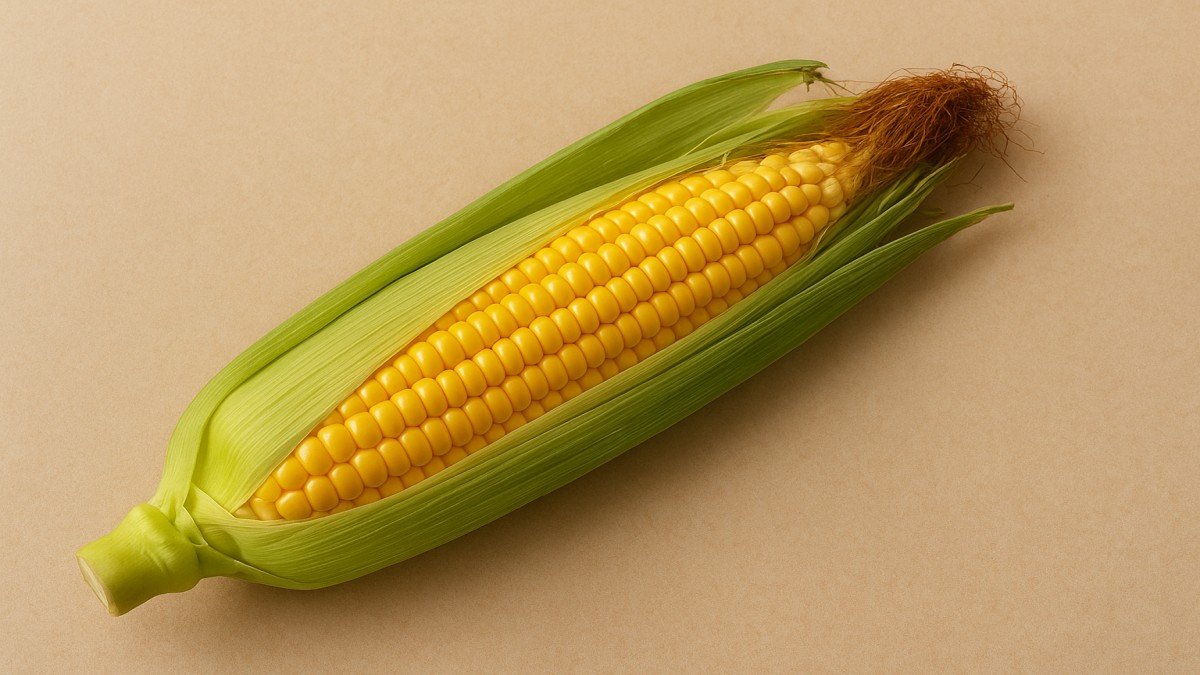
A corn husk is the leafy outer covering of an ear of corn. It’s made of several layers that protect the kernels from pests, moisture, and sunlight. Traditionally, it’s been used for wrapping, weaving, and even as a natural cooking tool. Think of it as nature’s biodegradable packaging — simple, effective, and beautiful.
Structure and Composition of Corn Husk
Corn husks are made primarily of cellulose and hemicellulose fibers, giving them flexibility and strength. They’re light, fibrous, and absorbent — perfect for applications that require wrapping, weaving, or insulation. These qualities also make corn husks a promising material for biodegradable products.
Traditional Uses of Corn Husks
Culinary Uses
For centuries, corn husks have been used to wrap and cook traditional dishes, particularly in Latin American cuisines. The most famous dish? Tamales!
Handicrafts and Art
In rural communities, corn husks are transformed into decorative dolls, floral arrangements, and ornaments. These crafts often hold cultural significance and are passed down through generations.
Agricultural Applications
Dried corn husks are also used as animal feed, mulch, and organic compost, helping farmers reduce waste while enriching the soil.
Nutritional and Medicinal Benefits
Surprisingly, corn husks contain antioxidants and anti-inflammatory compounds. In traditional herbal medicine, corn husk tea is used to support urinary health, reduce water retention, and soothe inflammation. While not widely recognized in modern medicine, its natural properties have made it a trusted remedy in many cultures.
Corn Husk in Cooking
Tamales – The Classic Use
Tamales are the ultimate example of corn husks in the kitchen. The husks act as a natural wrapper, locking in moisture and flavor while steaming. Once cooked, they’re peeled away to reveal the soft, flavorful dough inside.
Corn Husk Tea
Also known as “te de hojas de maíz”, corn husk tea is a traditional Mexican drink believed to detoxify the body and promote kidney health. It’s made by boiling clean corn husks in water and enjoyed warm.
Grilling and Steaming with Corn Husks
Corn husks can also be used as natural wraps for grilling fish or vegetables. They prevent burning, keep food moist, and add a subtle earthy aroma.
Corn Husk in Handicrafts
Corn Husk Dolls
These dolls date back centuries and symbolize harvest blessings. They’re made by soaking husks until soft, shaping them into figures, and letting them dry. It’s a fun and meaningful craft for both kids and adults.
Baskets and Decorations
Dried corn husks can be woven into baskets, wreaths, and table decorations — adding a rustic touch to your home.
Paper and Packaging
With sustainability in mind, corn husk fibers are now being used to make eco-friendly paper, packaging, and even fabric alternatives.
Corn Husk for Sustainability
Biodegradable Material
Corn husks decompose naturally, making them an excellent alternative to synthetic packaging.
Eco-Friendly Alternatives to Plastic
Scientists are exploring ways to convert corn husks into bioplastics — durable, flexible, and completely biodegradable. It’s a small step with a big environmental impact.
Conclusion
The corn husk — often overlooked — is truly nature’s multi-tool. It wraps our food, fuels our crafts, heals our bodies, and protects our environment. Whether you’re sipping corn husk tea, making tamales, or weaving a basket, you’re participating in a sustainable tradition that’s both ancient and innovative. So next time you peel corn, think twice before tossing those husks — they’re worth far more than you realize.
FAQs
1. Can I eat corn husks?
Not directly — they’re fibrous and tough. But they’re safe for cooking and wrapping food.
2. How long can I store dried corn husks?
When stored properly in a dry, airtight container, they can last up to a year.
3. Are corn husks compostable?
Yes! They break down naturally and enrich the soil.
4. Can I use corn husks in the microwave?
Yes, if they’re dampened first — this prevents burning and keeps food moist.
5. What’s the difference between corn husks and corn leaves?
Corn husks are the outer covering of the ear, while leaves grow on the stalk itself.