

Dysmetria may sound like a complex medical term, but at its core, it describes something incredibly simple: difficulty controlling the range and speed of movements. Whether someone overshoots or undershoots their target, dysmetria can quietly disrupt everyday life. Let’s walk through the details in a friendly, easy-to-understand way.
Introduction to Dysmetria
What Is Dysmetria?
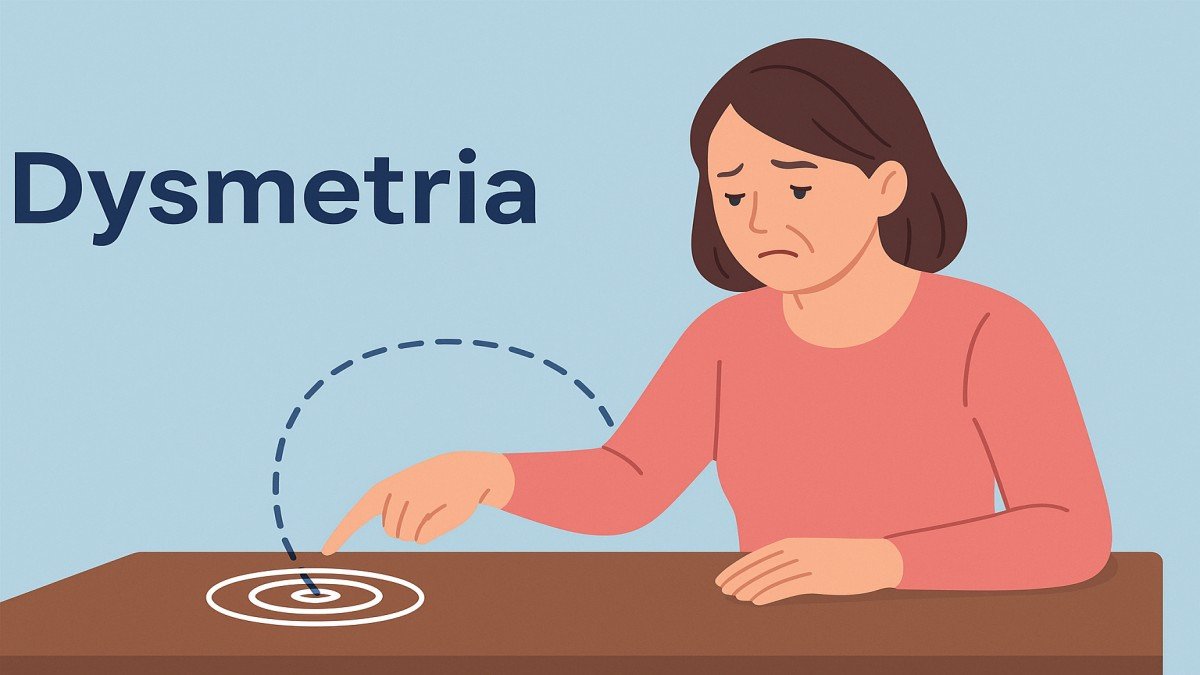
Dysmetria is a neurological condition where a person struggles to judge distance or coordinate their movements accurately. You might reach for a cup and accidentally knock it over—or try to touch your nose but miss slightly. That’s dysmetria in action.
Why Understanding It Matters
Movement is something we often take for granted—until it becomes difficult. Understanding dysmetria helps individuals recognize symptoms early and seek proper support.
The Science Behind Dysmetria
Role of the Cerebellum
Dysmetria usually comes from dysfunction in the cerebellum, the part of your brain responsible for balance, coordination, and fine-tuning body movements. Think of the cerebellum as your body’s internal “motion editor.”
How Brain–Body Coordination Works
Whenever you move, your brain sends signals to specific muscles. The cerebellum smooths these signals so your actions feel natural. If this system glitches, movements may become jerky or inaccurate.
Types of Dysmetria
Hypermetria
Overshooting a target—like reaching too far.
Hypometria
Undershooting—stopping short of your goal.
Both types can affect hands, arms, legs, eyes, and speech muscles.
Symptoms of Dysmetria
Motor Control Issues
People with dysmetria commonly experience:
- Jerky arm or leg movements
- Difficulty reaching or grasping objects
- Problems with steady walking
Daily Activity Challenges
Simple tasks like writing, buttoning a shirt, or picking up small objects may feel frustrating—or even exhausting.
How Dysmetria Differs from Similar Disorders
Unlike tremors or paralysis, dysmetria specifically affects the accuracy of movement, not strength or ability to move.
Causes of Dysmetria
Dysmetria isn’t a standalone disease—it’s usually a symptom of other conditions.
Neurological Conditions
- Stroke
- Multiple sclerosis (MS)
- Cerebellar ataxia
- Brain tumors
Genetic or Inherited Disorders
Some rare genetic syndromes can damage the cerebellum over time.
Trauma & Environmental Factors
- Head injuries
- Alcohol or drug toxicity
- Severe infection affecting the brain
These disrupt cerebellar function, leading to dysmetria symptoms.
Diagnosing Dysmetria
Neurological Examinations
Doctors begin with simple physical tests to observe coordination.
Imaging Techniques
MRI and CT scans help identify cerebellar damage or underlying causes.
Common Clinical Tests
Finger-to-Nose Test
You touch your nose and a target repeatedly. Overshooting or undershooting indicates dysmetria.
Heel-to-Shin Test
Sliding your heel along your shin helps assess leg coordination.
These non-invasive tests offer quick insights into motor accuracy.
Treatment and Management
While there is no universal cure for dysmetria, treatments can significantly improve daily functioning.
Physical Therapy
Therapists guide you through exercises that strengthen core muscles, improve balance, and enhance coordination.
Occupational Therapy
OT focuses on practical skills—helping patients relearn everyday tasks and adapt to challenges.
Medications and Supportive Tools
Although no direct drug treats dysmetria, medications targeting the underlying condition may help. Assistive devices like braces or weighted utensils improve stability.
Lifestyle Adjustments for Better Control
- Slowing down movements
- Using visual cues while reaching
- Practicing targeted coordination exercises
Small changes can lead to meaningful improvements.
Living With Dysmetria
Coping Strategies
Managing dysmetria isn’t just physical—it’s emotional too. Staying patient, practicing consistently, and celebrating small wins makes a big difference.
How Family and Caregivers Can Help
Encouragement, safety modifications at home, and understanding movement limitations help create a supportive environment.
Conclusion
Dysmetria may complicate everyday tasks, but it doesn’t mean losing independence. With proper diagnosis, therapy, and lifestyle adjustments, individuals can regain confidence and improve their coordination over time. Understanding the condition is the first step toward managing it effectively.
FAQs
1. Is dysmetria the same as ataxia?
Not exactly. Dysmetria is a form of ataxia focused on inaccurate movement range.
2. Can dysmetria affect the eyes?
Yes, ocular dysmetria affects eye movements, causing difficulty tracking objects.
3. Is dysmetria permanent?
It depends on the cause. Some cases improve with therapy, others are long-term.
4. Can children have dysmetria?
Yes, especially if caused by genetic or developmental conditions affecting the cerebellum.
5. What daily tools help with dysmetria?
Weighted pens, adaptive utensils, and supportive braces can ease coordination tasks.