




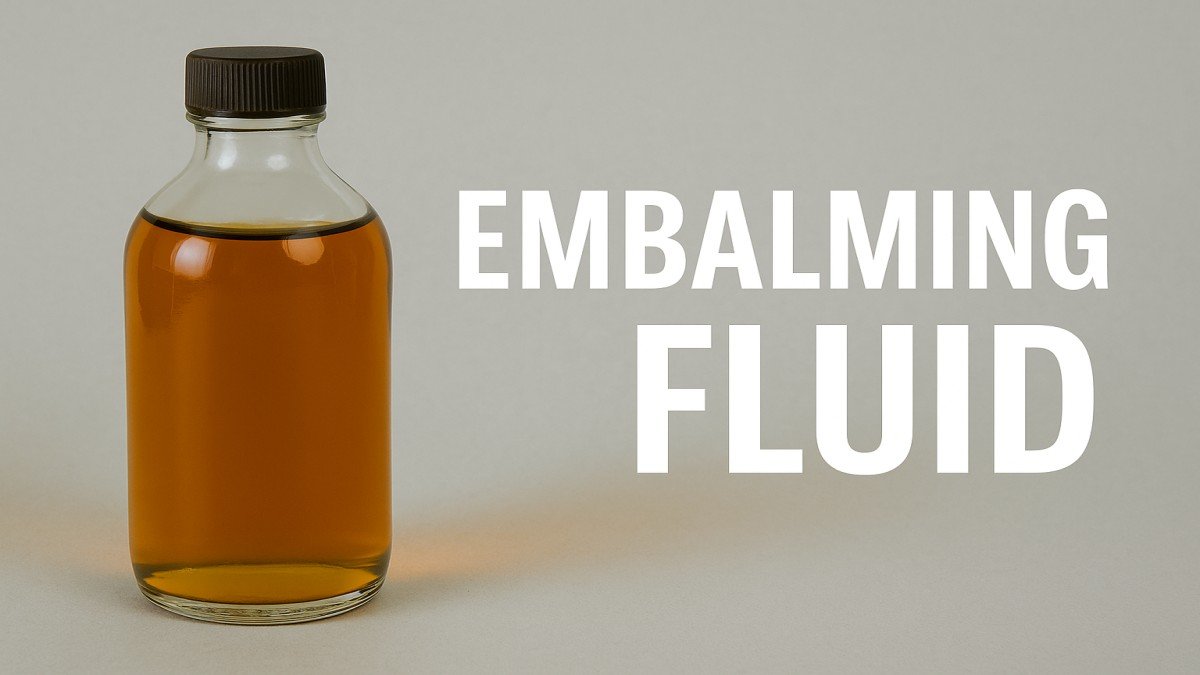
What Is Embalming Fluid?
Embalming fluid is a specially formulated chemical solution used to preserve human remains. Its primary goal? To delay decomposition and make the body suitable for viewing at funerals or for scientific study. Think of it as a temporary time-freeze for the body.
A Brief History of Embalming Practices
Believe it or not, embalming has roots that trace back thousands of years—hello, Ancient Egypt! The Egyptians were the pioneers of preservation, using resins and oils. Modern embalming took off during the Civil War, helping transport soldiers’ bodies long distances for proper burial.
How Embalming Works
Chemical Reactions in the Body
Once someone passes away, decomposition starts almost immediately. Embalming fluid halts this by chemically altering body tissues. Formaldehyde cross-links proteins in the body, which slows down bacterial activity and decay.
Duration and Effectiveness
How long does it last? Typically, embalming preserves the body for about a week to ten days—just enough time for funerals. But under ideal conditions, embalming can extend preservation for months or even years.
Key Ingredients in Embalming Fluid
Formaldehyde: The Main Player
Formaldehyde is the most commonly used preservative in embalming fluid. It’s powerful, effective, and—yes—a bit controversial due to its toxicity.
Methanol and Other Preservatives
Methanol helps stabilize the solution and prevents formaldehyde from polymerizing. Other chemicals might include ethanol, phenol, and glutaraldehyde depending on the desired effect.
Dyes, Humectants, and Surfactants
Cosmetic elements like dyes give a lifelike appearance. Humectants retain moisture in tissues, while surfactants help distribute the fluid evenly throughout the body.
Preserving the Body for Viewing
The main reason for embalming? So family and friends can say their goodbyes. Open-casket funerals rely on embalming to maintain the deceased’s natural appearance.
Funeral Home Applications
In funeral homes, embalmers are trained professionals who inject the fluid via arteries and drain bodily fluids through veins. It’s a meticulous and respectful process involving both art and science.
Medical and Research Use
Beyond funerals, embalming fluid is essential in anatomy labs and medical schools. Cadavers are embalmed to provide students with real-world training on human anatomy.
Health and Safety Concerns
Exposure Risks for Embalmers
Long-term exposure to formaldehyde has been linked to respiratory issues and even cancer. Protective gear and ventilation are a must for embalmers.
Environmental Concerns
Embalming fluid doesn’t just vanish. It can leach into the soil post-burial, raising environmental red flags. Some cemeteries are moving toward eco-conscious practices as a result.
Legal Regulations
In many countries, embalming is regulated. For example, OSHA in the U.S. sets strict workplace standards to limit exposure to formaldehyde and related chemicals.
Alternatives to Traditional Embalming
Green Burials
Eco-conscious individuals often opt for green burials, which avoid chemical preservatives altogether. Bodies are buried in biodegradable caskets without embalming.
Cryonics and Alkaline Hydrolysis
Cryonics freezes the body for potential future revival (sci-fi, anyone?), while alkaline hydrolysis uses water and lye to speed up decomposition in a clean, efficient way.
Ethical and Cultural Considerations
Religious Views on Embalming
Some religions, like Judaism and Islam, discourage or even forbid embalming. Others are more flexible or see it as a personal choice.
Consent and Cultural Sensitivities
It’s crucial to get informed consent before embalming. Not everyone is comfortable with the process due to cultural or personal beliefs.
The Future of Embalming Fluid
Eco-Friendly Embalming Solutions
Scientists are exploring plant-based and non-toxic alternatives to traditional embalming fluids. These aim to preserve the body without harming the earth.
Technological Advancements
Modern embalming is evolving with the times. Automated machines and better formulas are making the process quicker, safer, and more sustainable.
Conclusion
Embalming fluid plays a vital role in preserving our loved ones for a final goodbye or advancing science. But it’s not without its share of controversy—from health risks to environmental concerns. As society becomes more conscious of our ecological footprint, new alternatives are challenging the status quo. Whether you’re planning ahead or simply curious, understanding embalming fluid helps demystify what happens after life.
FAQs About Embalming Fluid
1. Is embalming mandatory?
Nope! In most places, embalming is not required by law unless specific conditions apply—like long-distance transport.
2. How long does embalming last?
Typically 7–10 days, but under ideal conditions, it can last for several months.
3. Can embalming fluid be toxic?
Yes. Especially formaldehyde, which is considered a carcinogen. That’s why embalmers wear protective gear.
4. What does embalming fluid smell like?
It has a sharp, chemical odor—mostly from formaldehyde and methanol.
5. Are there non-chemical alternatives?
Absolutely. Green burials, cryonics, and even freeze-drying are gaining popularity as chemical-free options.